F L A U N T


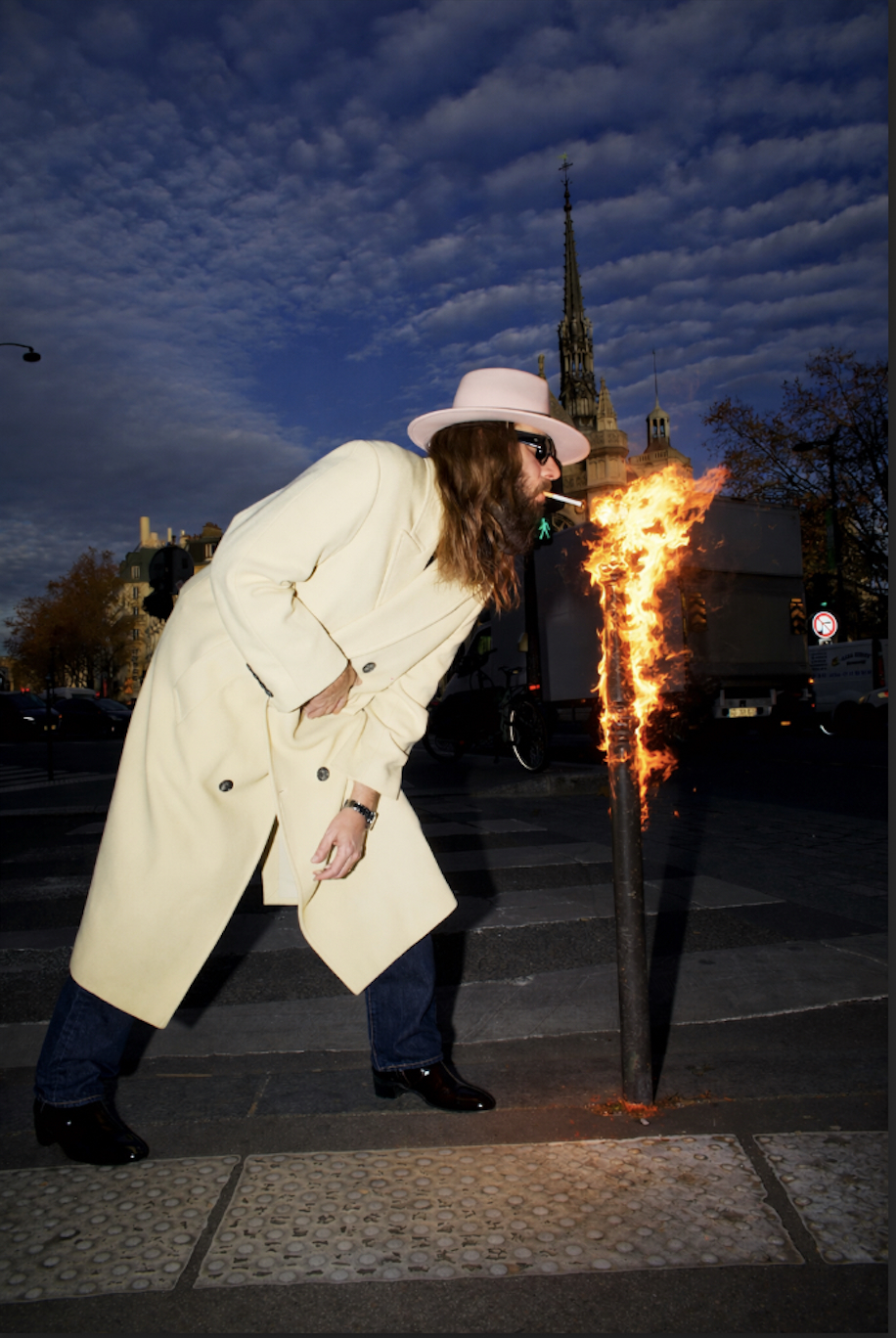
Humanity is defined by its ever-changing nature–fluid, elastic, and pliant. Tensions between identities create a person, afflicted with regrets and confoundment. There is no singular label to a person, and there is no guarantee a label is permanently affixed. Within these ecotones of personality, the self is created. In his most recent album, Kiss The Beast, Sébastien Tellier investigates the boundaries separating identities, revealing that the dividing blur barely creates the faint distinction between animal and human.
An exploration into the coexistence of opposing truths, Kiss The Beast oscillates between intimate vulnerability and public recklessness, shifts from French to English, and fluctuates through genres. Born from Tellier’s nature to, “constantly switch from wolf to sheep, from executioner to victim,” Kiss The Beast reflects an identity in motion, changing with the tides. Across the album, he uncovers the truth of freedom: is it real? or a mirage fading at dawn?
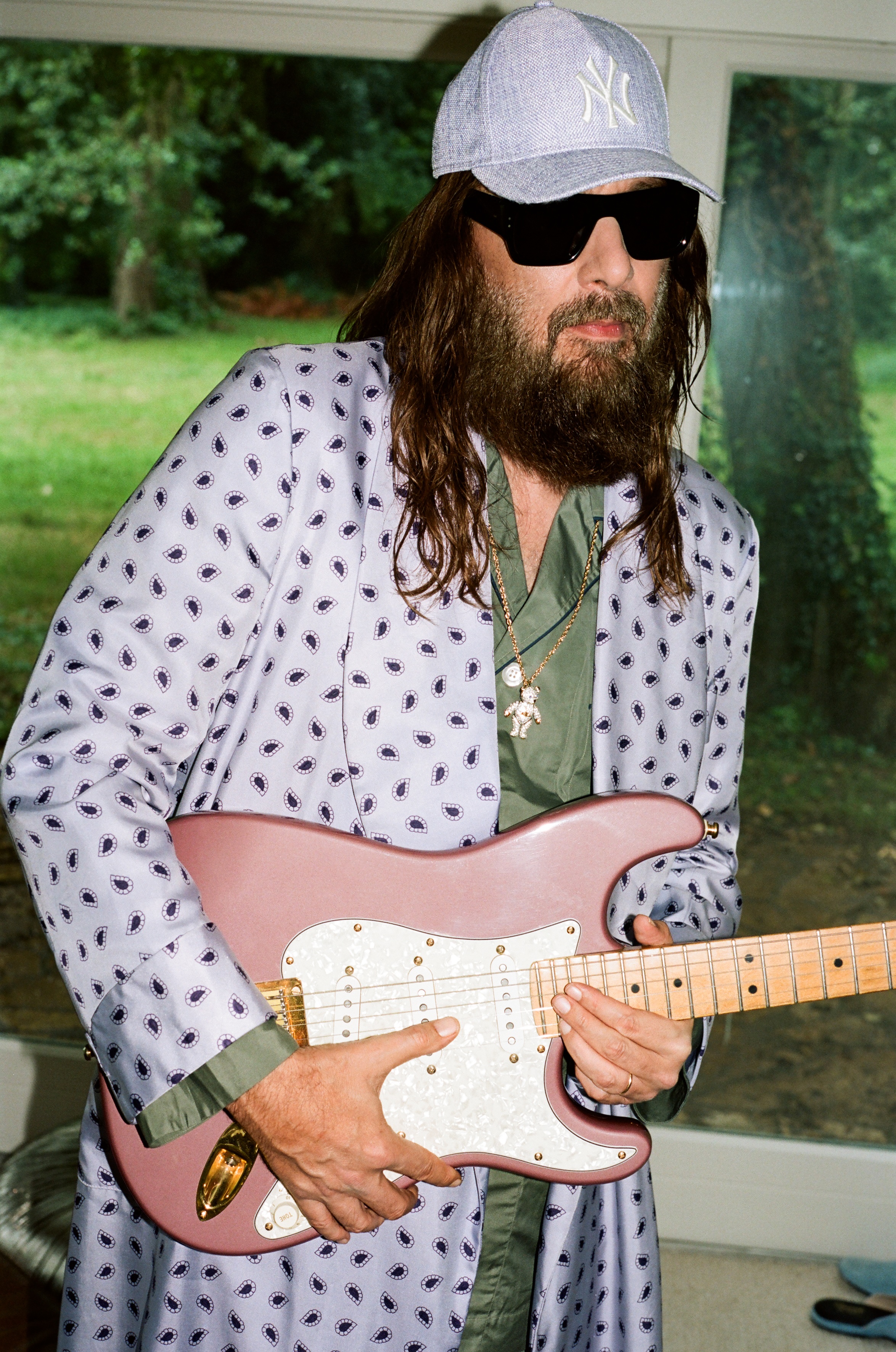
Featuring artists like Kid Cudi, Slayyyter, and Nile Rodgers, the album delves into the tension between electronic precision and acoustic warmth. Recounting stories of romantic beginnings and inquiring into the meaning of masculinity, each song simultaneously proves two realities. Almost bookending the album, partner songs “Mouton” and “Loup” (literally “sheep” and “wolf”) set Tellier as both the prey and the predator. “Thrill of the Night” celebrates nightclub hazes, while “Naïf de Coeur” narrates the anxiety of discovering himself. Tellier’s character is not formed from a singular theme, but echoes through the space between.
In support of Kiss The Beast, Sébastien Tellier returns to perform in the United States for the first time in twelve years. With five dates across the United States and Mexico, Tellier’s comeback symbolizes the relationship between French and American electronic music, a symbiotic partnership of inspiration and collaboration.
You’ve said that Kiss The Beast is “a call to accept your savage side.” What about electropop makes it the best way to express this feeling?
I love electropop because it can bring together things that seem completely opposite. Machines can sound very cold and technological, but at the same time you can have a melody that is very emotional. That’s exactly what I wanted to express with Kiss The Beast: the idea that we can be both the wolf and the sheep, strong and fragile, tender and wild. Electronic music is a perfect way for me to express these two sides.
How does Kiss The Beast reflect your state of mind when you were writing the album?
I was at a moment in my life when I really needed something new. I wanted to be more instinctive, less reasonable. I wanted to make a very free and intense album, sometimes even excessive. Turning 50 also made me look at the man I had become, and made me want to find some parts of myself that I had maybe left behind. That’s why the album can be very romantic and sensual, but also much more wild. It represents quite well all the contradictions I was feeling at that time.
You’ve had a very prolific career, and Kiss The Beast is your seventh album. How do you keep your work spontaneous?
I try not to know exactly where I’m going. With every album, I need to feel that I can still surprise myself. If I already know exactly what I’m going to do before I start, I’m not really interested anymore. My ideas often come in a very simple way, at home, sitting in front of a synthesizer. First I look for an emotion, a melody, something that immediately makes me feel something. The production comes later. Maybe that’s how I keep the spontaneity: I try not to lose that first feeling.
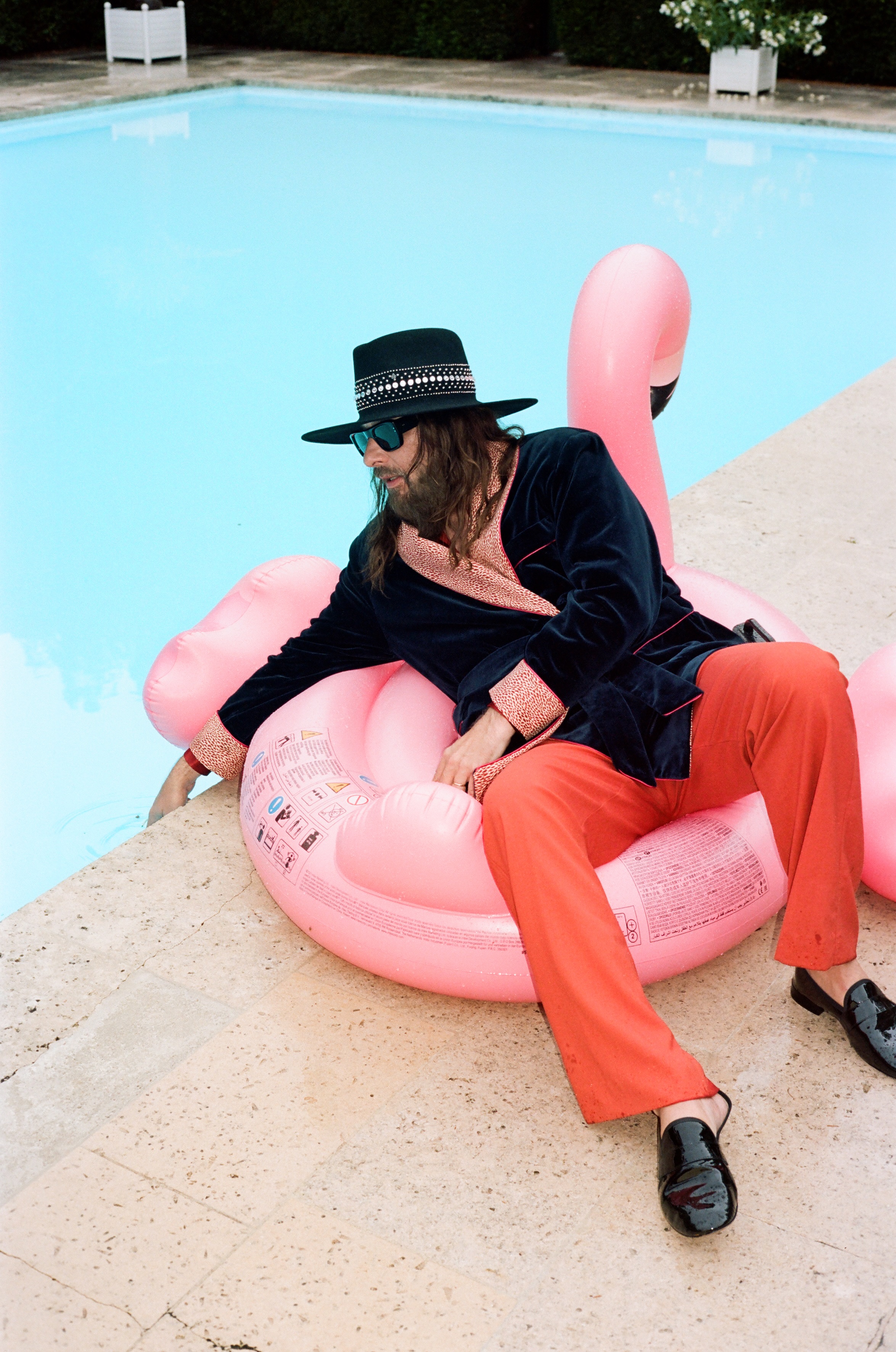
You’ve said you keep your more energetic songs for English and your more intimate music for French. Where does this difference come from?
It’s not really a rule I decided to follow. It happened naturally. For me, English has something very musical and physical. It allows me to be more direct, more pop, and sometimes more spectacular. French immediately takes me somewhere more intimate. Every word feels more precise and personal, sometimes almost dangerous. When I sing in French, I feel like I’m revealing more of myself. So the two languages allow me to express two different sides of myself.
After such a long career, what is it like to see American artists and artists around the world using elements of French electropop in their own music? Do you feel proud?
Yes, of course, even if I don’t really see it as national pride. What touches me most is seeing that this music has travelled. French electronic music developed a very special identity, mixing pop, sophistication, melancholy and a lot of freedom in the production. I was also very influenced by American music, so I love the idea that today the influence can go both ways.
How do you feel about performing in America again after twelve years?
It’s very emotional. Twelve years is a long time in a life, and of course I’m not exactly the same man or the same artist anymore. My life has changed and my music has changed too. So coming back to America feels strange and exciting: I’m returning to a place I know, but with a new story to tell. And playing this music in America is special for me because a big part of my musical imagination comes from American music. I’m really excited to meet the American audience again and to see how Kiss The Beast will live on stage there.
Stay up-to-date with exclusive events and content.


