F L A U N T


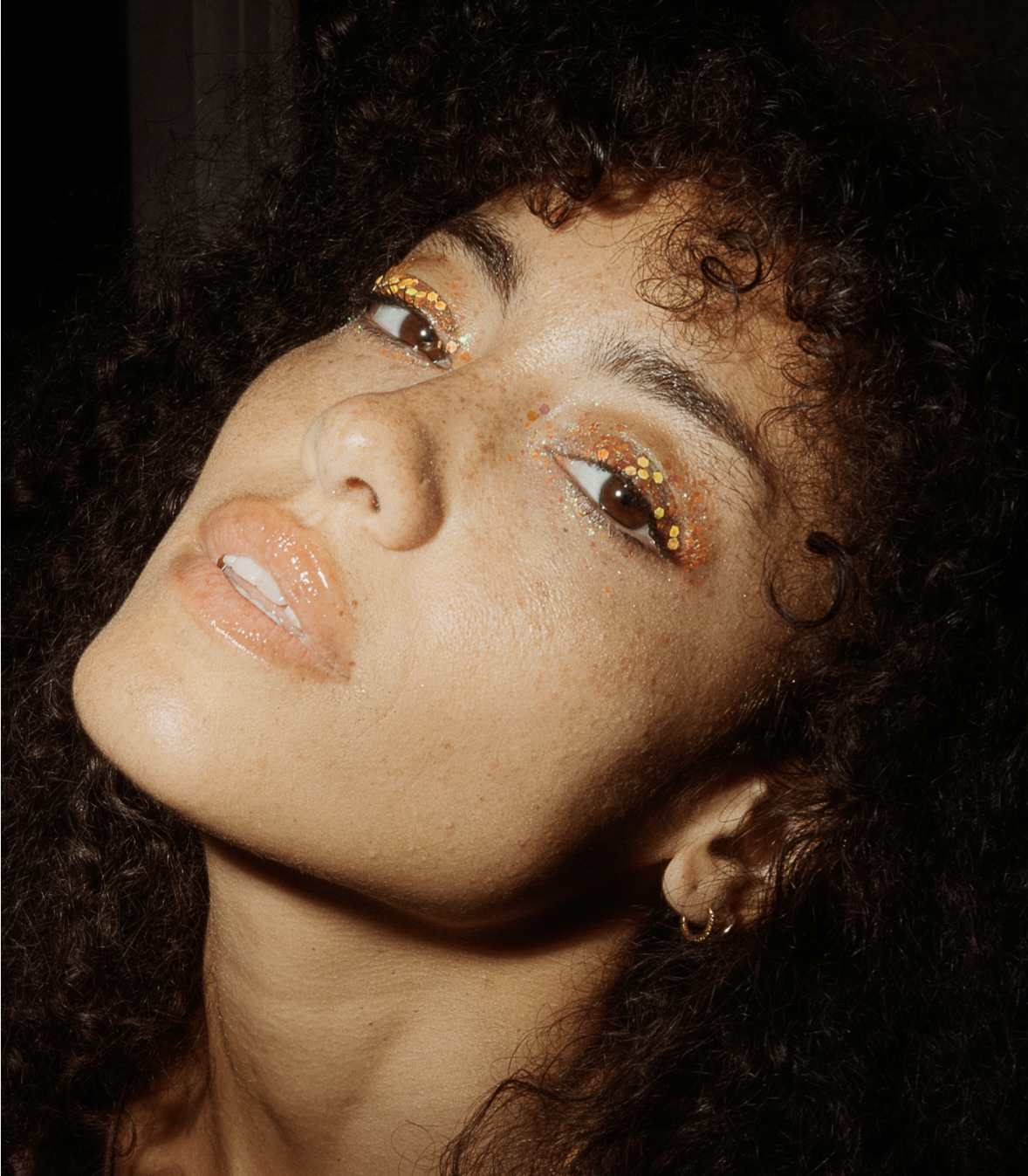
For Aluna, building Noir Fever has increasingly meant looking beyond the traditional label model. What began as a platform for uplifting Black and LGBTQIA+ voices in electronic music has evolved into something more deliberately developmental: an independent ecosystem built around mentorship, resources, and the time artists need to discover what they actually want to say.
Zuzu Silk has become one of the clearest expressions of that evolution. After first connecting with Aluna and later attending Noir Fever’s inaugural writing camp at the EMPIRE studios in San Francisco, the singer, songwriter, and multidisciplinary creative became the label’s first publishing signing, beginning a period of close collaboration that has extended from songwriting and studio sessions into the broader process of defining herself as an artist.
Their latest chapter arrives with “Slow Down,” out today, Zuzu’s collaboration with Selena Faider and Bali. Built around deep, techy house production and Zuzu’s pop-leaning vocal, the track captures the contradictory rush of knowing a romance is moving too quickly and surrendering to it anyway.
For Flaunt, Aluna and Zuzu turn the interview on each other, the realities of building sustainable careers for Black artists in electronic music, and how both Noir Fever and Zuzu’s creative identity are continuing to take shape.
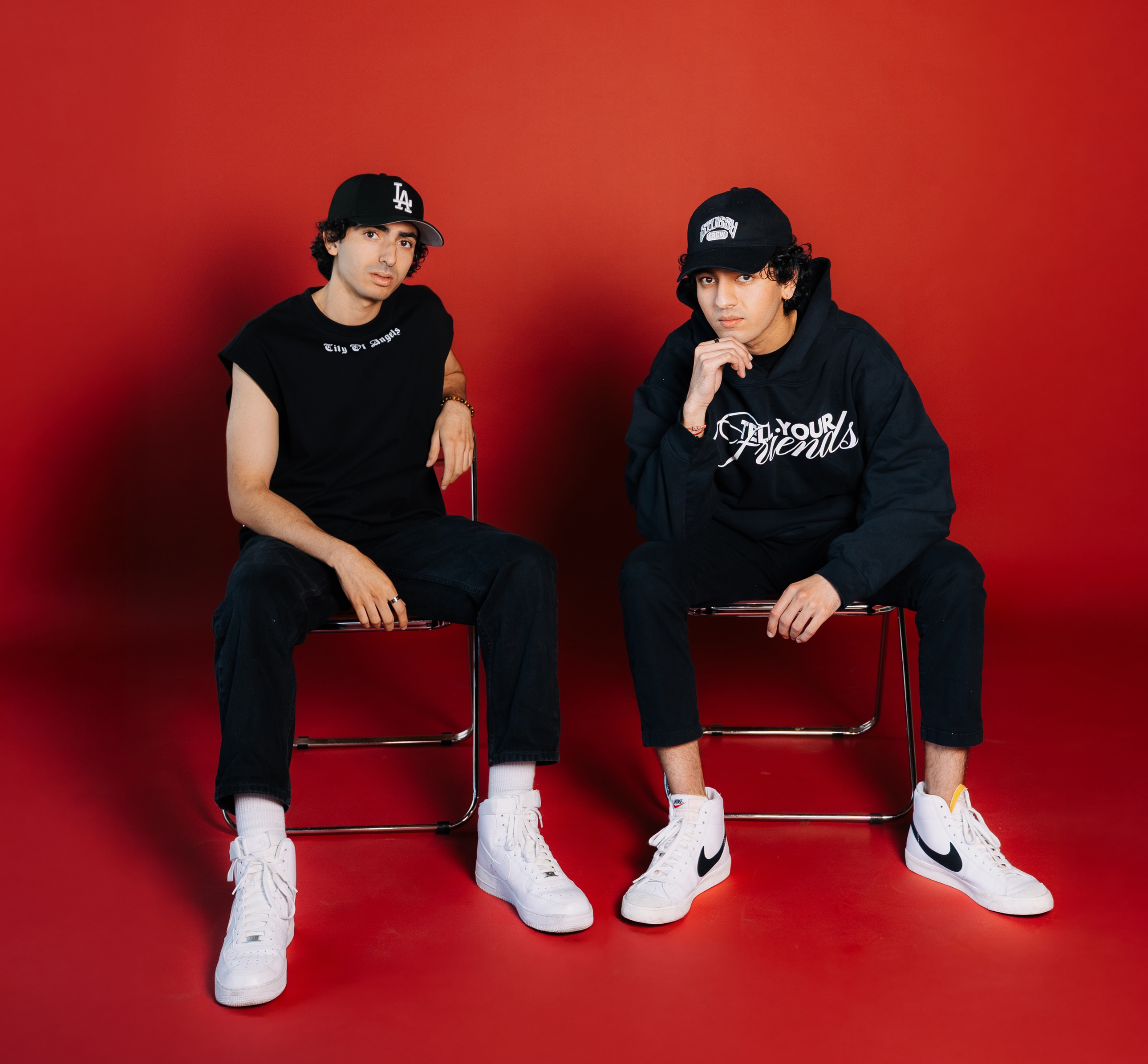
Aluna: When you first came to the Noir Fever writing camp at EMPIRE in San Francisco, what were you hoping to get out of the experience, and at what point did you feel like something bigger might be starting for you?
Zuzu Silk: I came into the writing camp with a completely open mind because it was my first time ever doing anything like that. So I had no idea what to expect. But it blew my expectations right out of the water, of course! Everyone was so talented, and it's really important to build a community of musicians that are amplifying black voices because we're much stronger in numbers.
Being that it's my first time really entering the music industry in any way, I've definitely been spoiled. As for working with you, I think I already knew there was something special going on artistically between you and me, because the very first time we met, you let me perform at your set at the main stage on the last night of the Lighting In A Bottle festival, and that takes an insane amount of trust.
Having someone so seasoned in this arena trust me that much from hearing one song, I knew there was something really aligned & that was when I knew something bigger could be starting. I didn't think too much about it then, but when we started working more closely at the camp, it just felt "oh yeah, okay, so this is a thing," and I really feel like the guidance of her mentorship started there.
Zuzu Silk: When you created Noir Fever, what did you feel was missing for Black women and LGBTQIA+ in electronic music, and how has your idea of what Noir Fever could provide evolved since then?
Aluna: Choice: At the time, there weren’t many labels with a consistent roster focused on uplifting that space, a space that I felt was at the center of the future of dance music but completely overlooked. All I could hear was people saying, “dance music is dead, everyone is just copying each other”, but the way I saw it was that the labels were all just looking at the same types of people, that’s why they were experiencing that “death” of the industry. The only thing that has changed with the idea of Noir Fever is the scale and the depth- we started off wanting to offer as many artists as possible a deal, but now we want to offer as many resources as we can to fewer individuals, and add more of the development side.
Aluna: After the camp, we spent a lot more time together writing, experimenting, and developing your sound. How did having that kind of mentorship and space to create change the way you thought about yourself as an artist and songwriter?
Zuzu Silk: I truly don't have the words to encompass the gravity of that feeling but I will try. I have certainly been forever changed. The kind of mentorship you've given me is so vast! It's not just in the recording process or in meetings. It's conversational, it's energetic, it's experiential, it's interpersonal, but still the coolest part to me is how we work together in the studio. I've never been in the studio with someone and had so many of my ideas come out of their mouth. I felt like all the things I didn't know how to say, you were already planning to tell the engineer the same things! And you had the perfect ways to say them. And we hadn't spoken about any of them prior.
I felt like I had a translator, and when we would finish a song... Man, the way that same song had me questioning my abilities as an artist a couple hours ago, at the end it would have me like, "hand over the Grammy !" I have learned so much about song structuring and the power of executive producing.
%20Joshua%20Bratt%203%20(1).jpeg)
Zuzu Silk: Mentorship can mean a lot of different things. For you, how do you support and guide an emerging artist while still making sure they have the freedom to discover their own voice and make their own creative decisions?
Aluna: That’s an ongoing learning process for me, and in fact, sharing that you are a student, not an expert, is an important part of it. Being transparent about the fact that this industry is ever-changing, so that it’s barely possible to be “sure” about something, is so important: Learning critical problem-solving, flexible action, and how to stay mentally stable are what I try to share.
Aluna: You already had this whole creative identity outside of music through acting and the characters and worlds you create online. How are those different sides of you starting to come together as you define who Zuzu Silk is as an artist?
Zuzu Silk: I feel like it's happening quite naturally. I try not to think too much about exactly how, but I can see it happening in small and sometimes big ways, and I'm excited to watch it become more cohesive and dialed in.
Zuzu Silk: What made you want to take that next step with Noir Fever in terms of longer-term publishing and artist-development capacity? What have you taken away from our experience working together?
Aluna: The model for dance music was/is very single-driven, signing a hit record and hoping it goes viral; if not, move on to the next. We quickly found that completely unfulfilling. Additionally, that model only works for white male artists who have a bunch of other resources available to them, so that all they need is a boost of cash and some focused marketing. We are working with artists who have much more limited resources, and so if we want to really help, we need to help fill in those gaps. Working with you has shown us that it takes a very particular personality type from the artist, someone who is going to meet us every step of the way with their own commitment and action for this to work. At a big label, I think you can just show up with talent, sign all your music away, and they will do everything for you, but that doesn’t work with independent labels. The artist has to be much more autonomous. I think in the long term that’s a healthier dynamic.
Aluna: “Slow Down” started within that development process and eventually grew into a collaboration with Bali and Selena Faider. What does hearing the finished record now represent to you compared with where you were when we first met?
Zuzu Silk: It kind of surprised me how fast it moved! I am definitely more used to having to wait a long time for songs to get finished, let alone pitched, remixed, released etc. so it was a really interesting experience feeling like it was happening even faster than I could keep up with. It's very cool.
Zuzu Silk: Where do you ultimately want to take Noir Fever, and what would meaningful change for Black voices in electronic music actually look like to you?
Aluna: Continuing to show up cannot be underestimated. From the beginning we had the Afro punks story ahead of us as a warning (not a very clear one but the impact was major) and we took many things from that. One question we asked ourselves was how do you keep going and why do so many companies get big then dissolve? And our answer was to take our focus completely off expansion and turn it to sustainability. That’s not exactly sexy but so far it has given us immense satisfaction- we know that we haven’t put unachievable pressures on ourselves that we then pass onto the artist and that’s important to us- we are not building and exploitation machine, we are building an ecosystem. And in a landscape where most of the music industry is owned by 2 companies there are not many people who can say that they are truly independent, having been on both sides I can truly feel the difference.
Stay up-to-date with exclusive events and content.


