F L A U N T


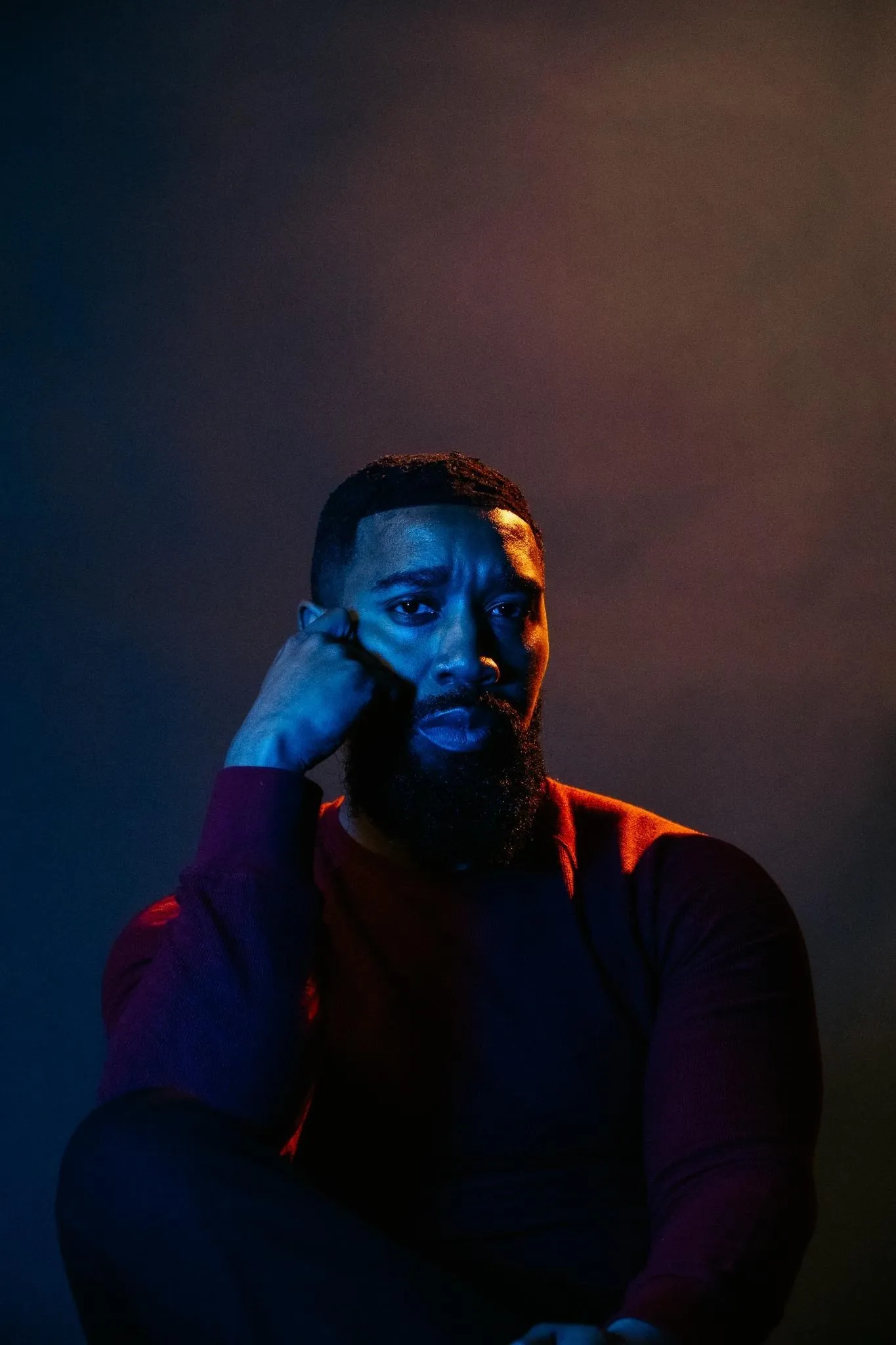
There’s a moment that happens when someone tells a story that actually matters. The room changes. Phones go face-down on the table. Conversations pause. Something in the air repositions because people sense they’re hearing and watching something real.
That moment is the reason stories exist at all.
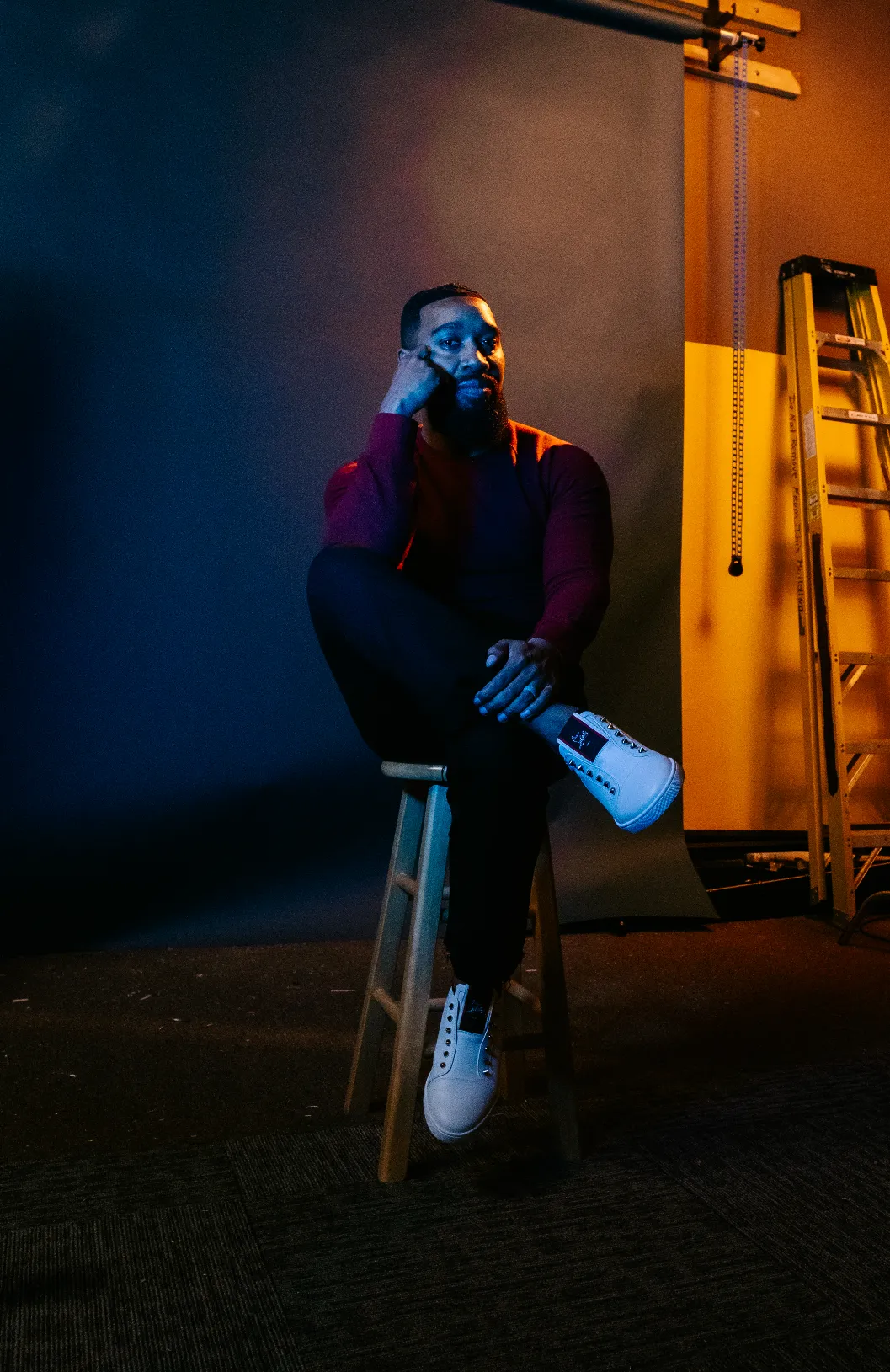
For Justin P. Slaughter, storytelling has never been about attention. It has always been about observation. The quiet kind. The kind that requires patience.
The kind most people overlook.
Because the truth is, the stories that stay with us rarely announce themselves.
They wait.
Every actor eventually runs into the same question: Why this story?
For Slaughter, that question doesn’t start on a set or inside a script. It starts much earlier, in the everyday moments most people ignore.
A conversation that feels slightly off.
A silence that lasts a little too long.
A decision that doesn’t quite make sense until much later.
Growing up in Texas, Slaughter learned early on that people reveal who they are in pieces, not in full explanations. You don’t always get the entire story at once. You get fragments. Reactions. Glimpses of intention.
That way of seeing the world shaped how he approaches storytelling.
He doesn’t chase moments that demand attention. He pays attention to the ones that don’t.
Because those are usually the ones that mean something.
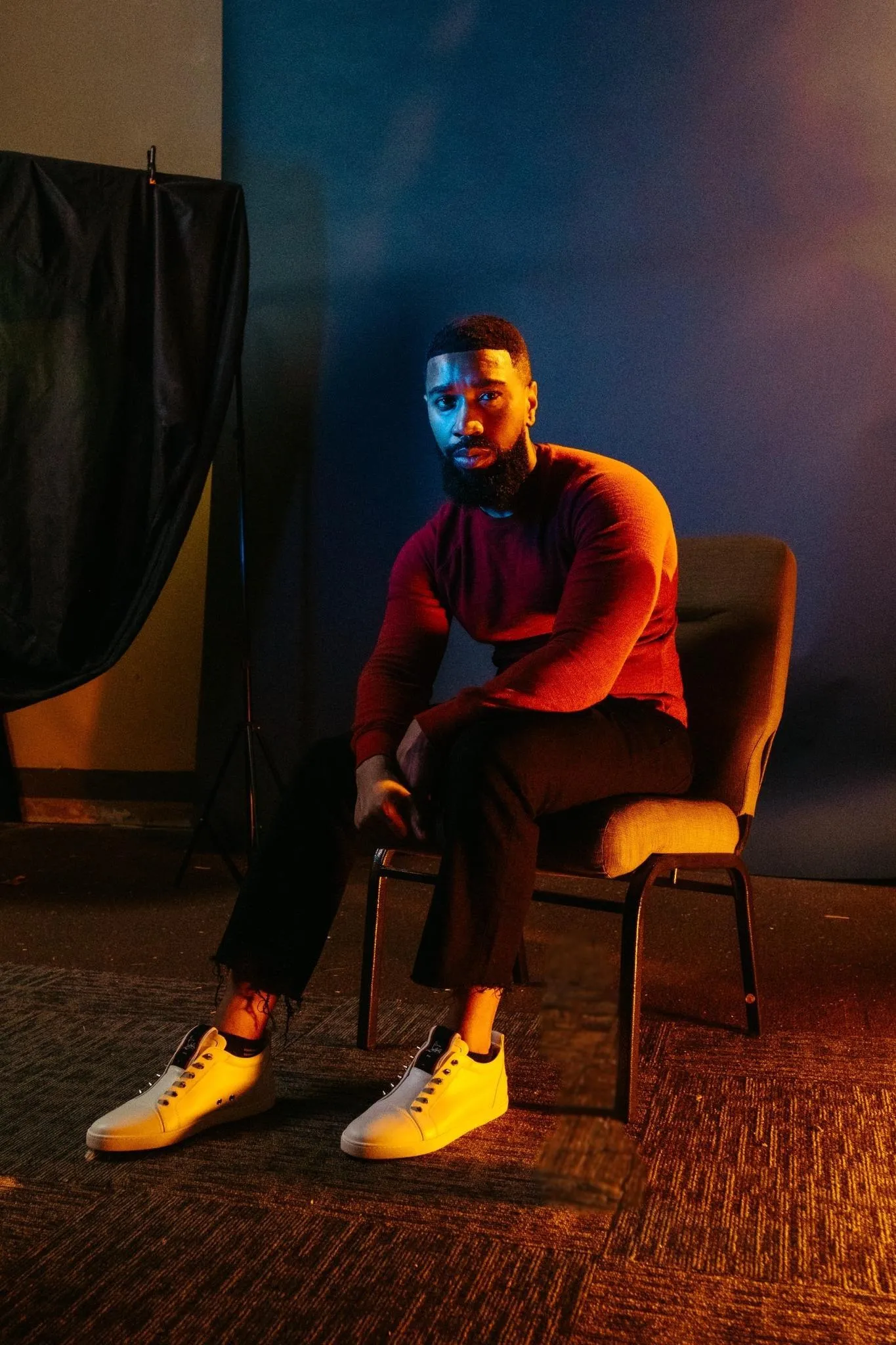
Storytelling often gets framed as expression. Say something. Share something. Be heard.
Slaughter approaches it differently.
For him, it starts with listening.
Not in a performative way. Not in a “waiting for your turn to speak” way. Real listening. The kind that forces you to sit with what’s happening instead of rushing to interpret it.
The world is full of stories. Most of them never get told because no one slows down long enough to notice them. That’s where his work begins.
Every character, every moment, every decision on screen traces back to something observed. Something real. Something that existed before it was ever written down.
That foundation changes everything.
Because when a story comes from observation, it carries weight.
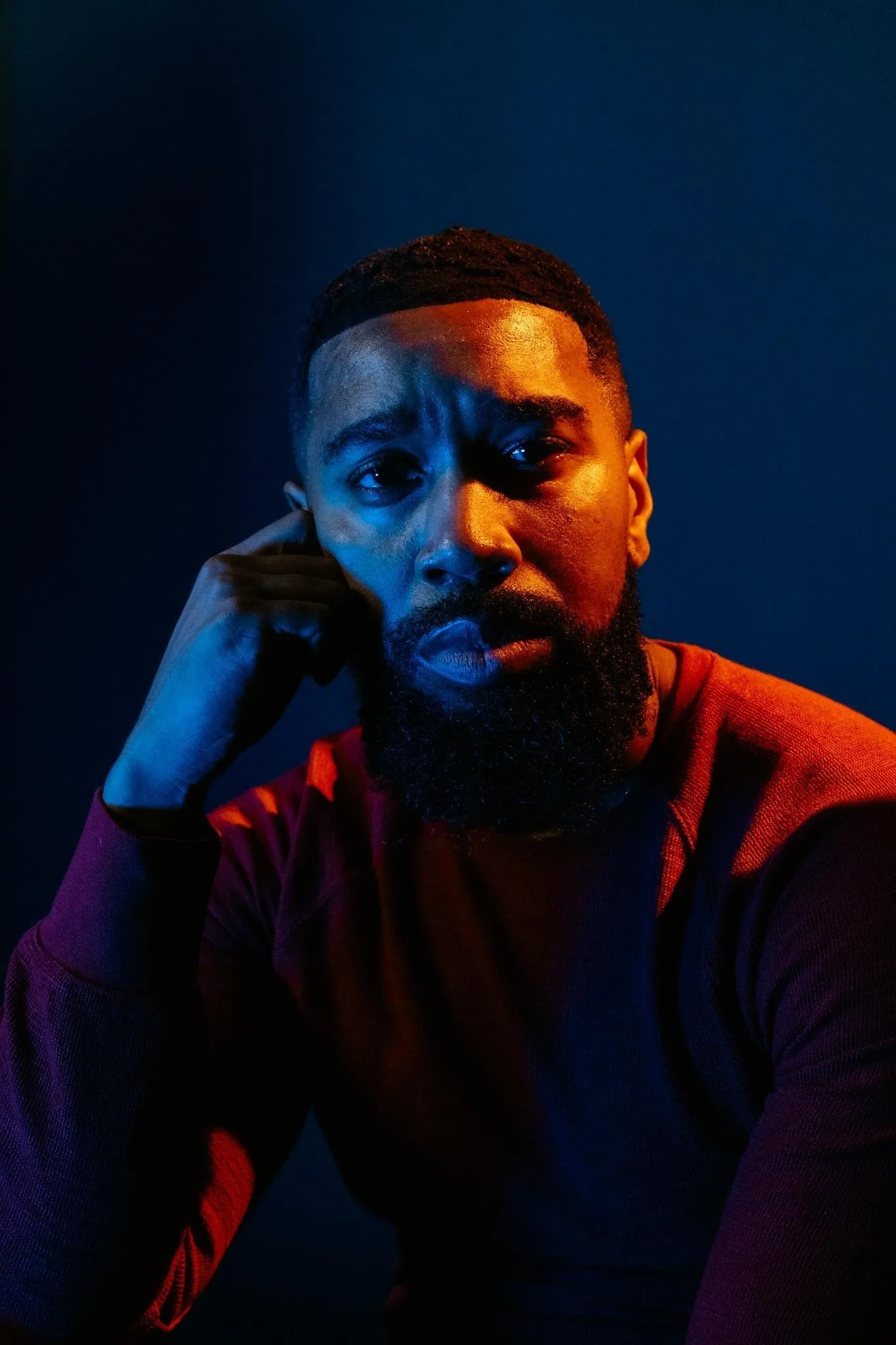
There is no shortage of content. That part is obvious.
Scroll for ten seconds and you’ll find something new to watch, listen to, or react to. The volume is endless. What’s harder to find is something that stays.
Something that doesn’t disappear the moment it’s over.
Slaughter sees storytelling as a way to cut through that noise—not by being louder, but by being more intentional. A story doesn’t need to explain everything. It doesn’t need to resolve perfectly.
It just needs to feel true.
When a story feels true, people recognize it immediately. They may not always be able to explain why, but they feel it. And that feeling tends to last longer than anything designed just to grab attention.
There’s a responsibility that comes with stepping into someone else’s perspective.
Actors spend years learning how to do it. Not just technically, but emotionally. Understanding how someone thinks. Why they make the choices they make. What they carry with them, even when they don’t say it out loud.
Slaughter approaches that responsibility with curiosity rather than judgment.
Characters aren’t meant to be simplified. They’re meant to be understood.
That distinction matters.
Because the moment a story starts trying to prove something too directly, it loses the complexity that makes it interesting in the first place.
People are complicated. Stories should be too.
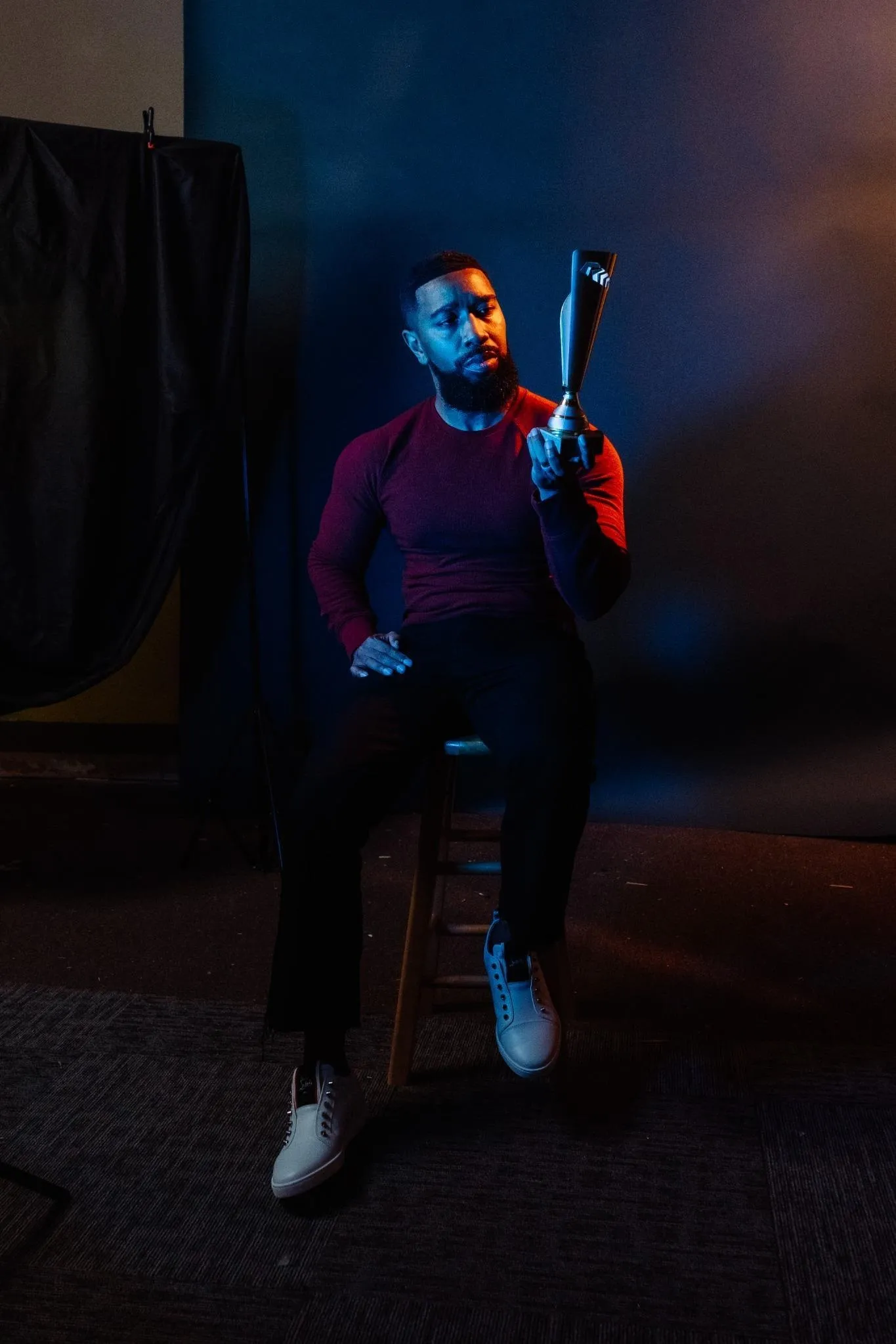
Some of the most important parts of a story happen in between.
Not the big scenes. Not the obvious turning points. The smaller moments that connect everything together. A pause before someone answers a question.
A look that lasts slightly longer than expected.
A shift in tone that changes the meaning of a conversation.
Those are the details Slaughter pays attention to.
Because those are the details people recognize in their own lives.
That recognition creates connection.
And connection is what makes a story stay.
The stories that matter rarely feel complete when they end.
They linger.
A line comes back to you later.
A character’s choice starts to make more sense days after you’ve seen it.
A moment replays in your mind for no clear reason.
That’s not accidental.
That’s what happens when a story gives you something to carry with you.
For Slaughter, that’s the goal. Not just to tell a story, but to leave something behind. Something that stays long enough to turn into a thought, a conversation, or even another story.
Because once that happens, the story doesn’t really end.
It continues somewhere else.
Storytelling has always been part instinct, part necessity.
People try to make sense of the world. Stories help with that. They give shape to things that don’t always have clear answers. Slaughter understands that storytelling doesn’t need to be loud to be effective. It doesn’t need to explain everything. It just needs to feel real enough that someone, somewhere, recognizes it.
And when that happens, even for a moment, the story has already done its job.
Because someone was paying attention.
Stay up-to-date with exclusive events and content.


