F L A U N T


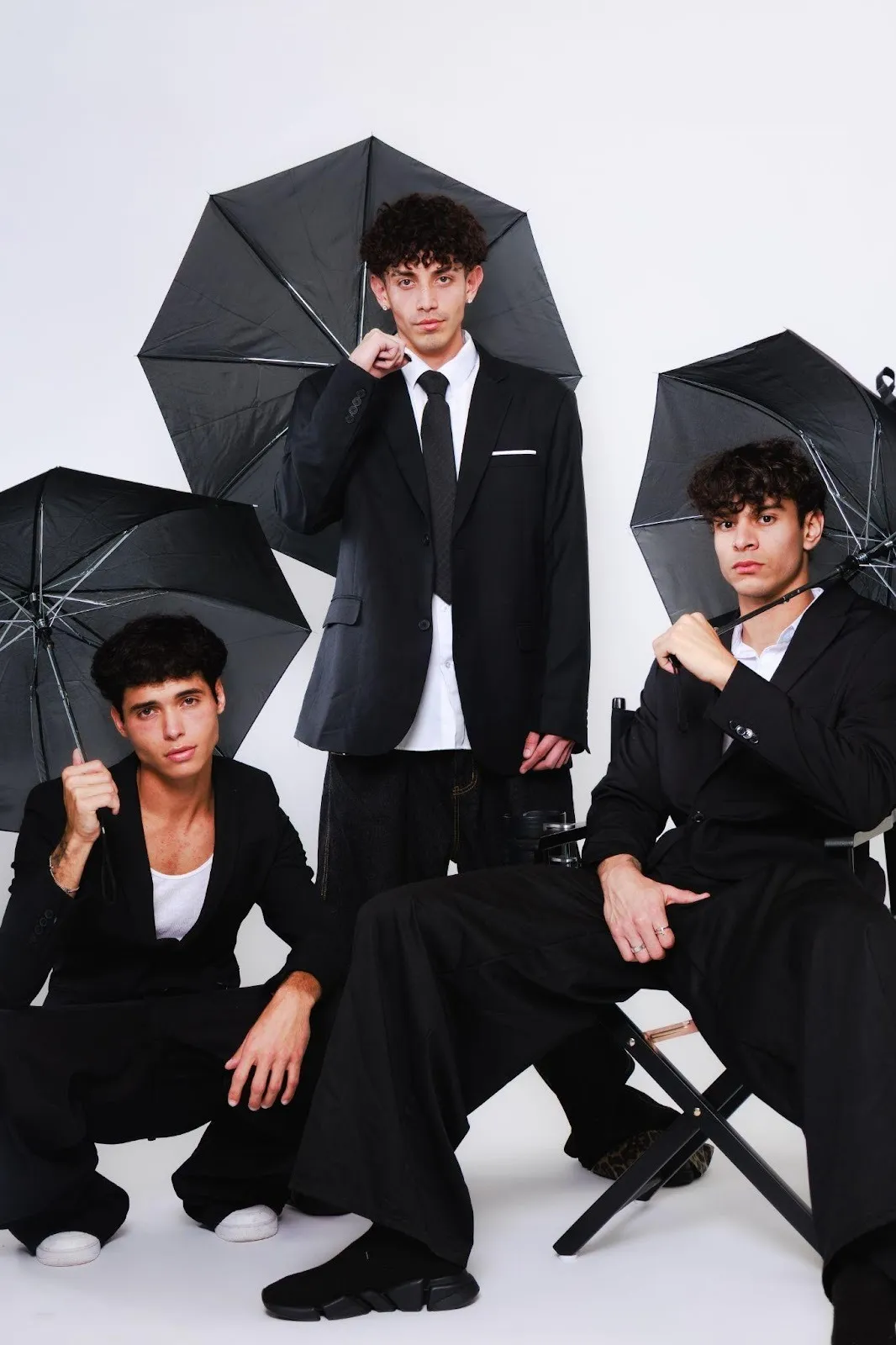
In a digital landscape where most shows are designed to appeal to everyone, The Wild Podcast did the opposite and that decision is exactly what made it work.
Hosted by Brandon Cardoso and Julian Barboza, the show didn’t begin as a calculated media play. In 2023, the two were simply documenting their lives after
moving into an apartment together — turning on cameras, talking about their day-to-day experiences, and sharing unfiltered conversations without a clear niche or direction.
Prior to the podcast, both had already built large audiences on TikTok, collectively reaching millions of followers through short-form content. They were recognizable, viral, and firmly positioned within the influencer space — driven largely by personality, appearance, and the kind of content that performs quickly on algorithm-driven platforms.
But that kind of attention doesn’t always translate into loyalty. The podcast became the shift.
What started as casual conversations quickly revealed a different layer of connection — one that went beyond surface-level engagement. Instead of short bursts of attention, the show began building a fan base that stayed. An audience that wasn’t just there for quick, viral moments, but for the personalities behind them.
What happened next wasn’t planned.
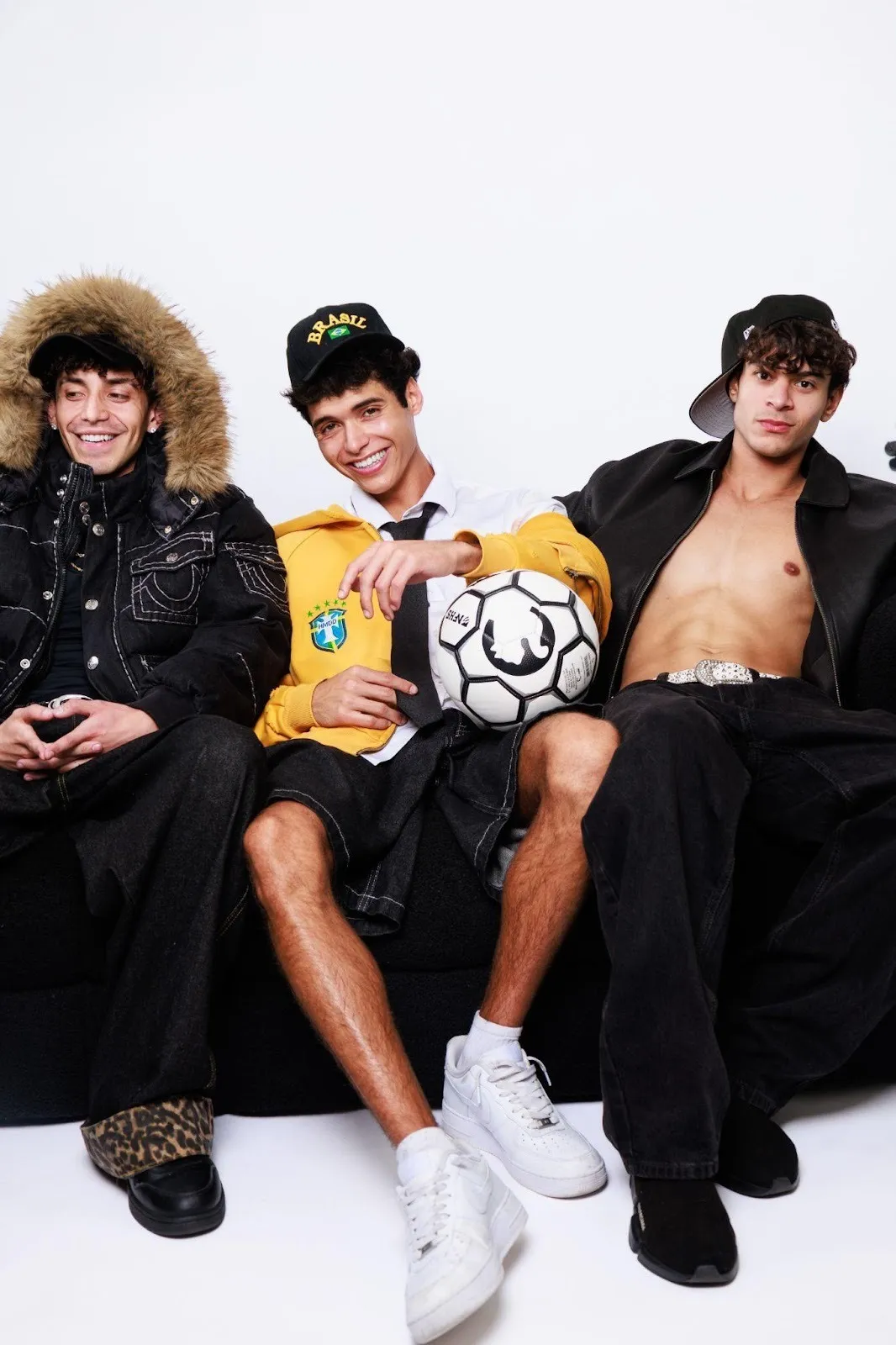
As their content began circulating, a specific audience started to gravitate toward them — largely within the LGBTQ+ community. At first, it wasn’t something they fully understood. The attention came organically, driven by a mix of personality, presence, and the kind of on-camera dynamic that felt both confident and unintentionally intimate.
Instead of ignoring it or trying to reshape their audience, they leaned in.
What followed was less of a pivot and more of a curiosity-driven evolution. The two began inviting members of their audience — creators, personalities, and voices
within the community — onto the show. Not as a strategy, but as a way to understand the people who were already supporting them.
That decision became the foundation.
Week after week, The Wild Podcast created a space centered around open conversations on sexuality, identity, relationships, and personal experiences — often through perspectives the hosts themselves were still learning about in real time. The format didn’t position them as experts. If anything, it did the opposite.
They asked questions. They reacted honestly. They learned publicly. And that’s what made it different.
At a time when many creators either perform for or speak over specific communities, the show built its identity by listening to one. That approach resonated — and over time, it built what can only be described as a cult following. Not because it was engineered that way, but because it felt genuine.
Listeners weren’t just watching a podcast. They were watching a process — a gradual, unscripted understanding of culture, language, and lived experiences that most platforms rarely explore with that level of openness. That consistency built trust.
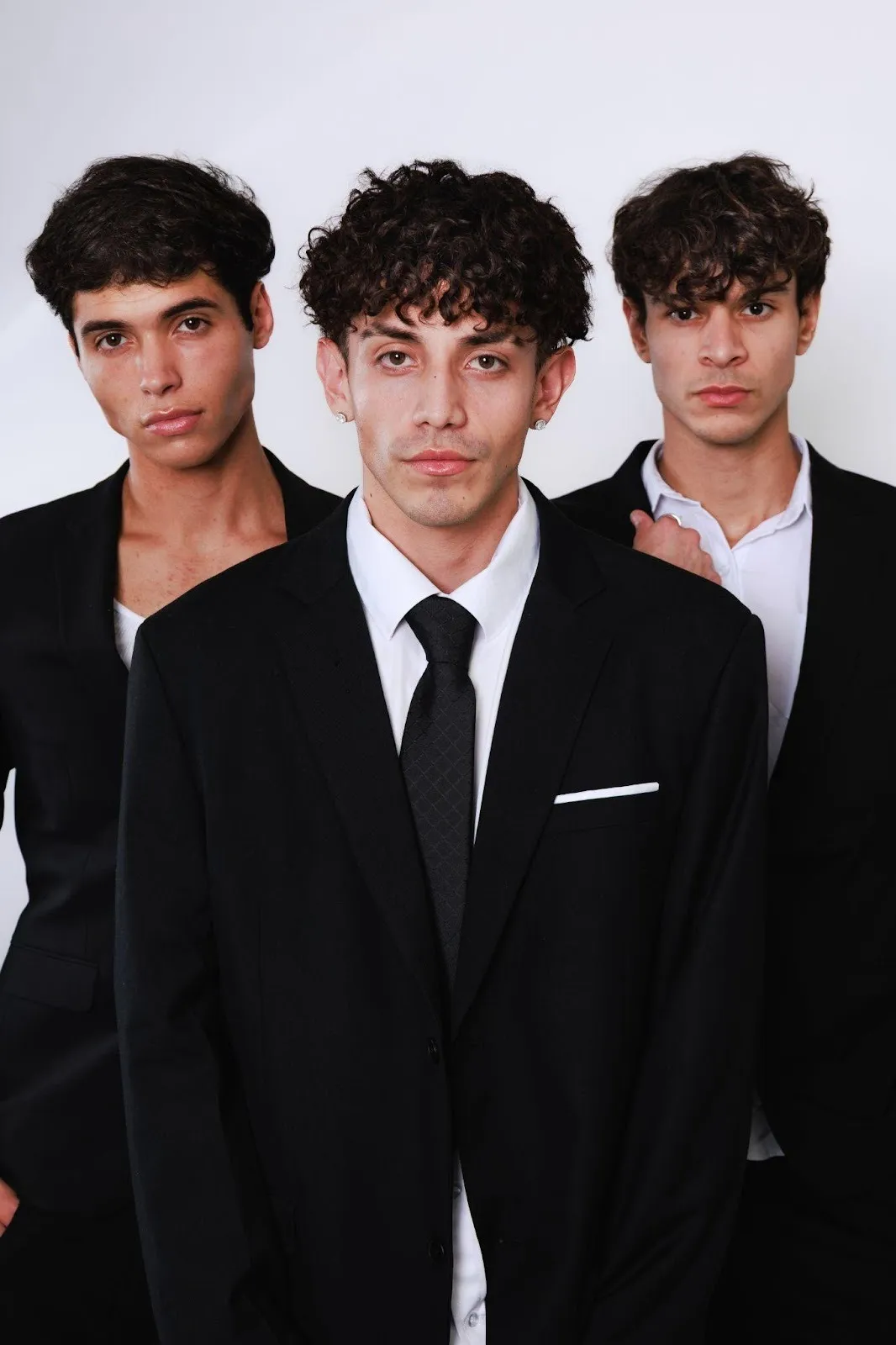
Over the last year, the show expanded its reach even further with the addition of Parker Reid — a viral creator whose rise online introduced a new layer of contrast and storytelling. His presence brought a different kind of narrative into the mix, widening the audience while still maintaining the core identity that made the show resonate in the first place.
As a trio, the chemistry feels natural — not overly produced, not forced — which has only strengthened audience retention and repeat viewership.
From a performance standpoint, the numbers reflect that growth. The podcast reaches tens of thousands of viewers per episode, while its broader content ecosystem across short-form platforms pushes into the hundreds of thousands through clips, reposts, and viral moments. More importantly, engagement remains unusually high — a signal that the audience isn’t passive, but invested.
That level of engagement has translated into real influence.
Within the creator space, appearing on The Wild Podcast has increasingly become a moment of visibility. Guests often experience a measurable lift in followers, engagement, and monetization opportunities following their appearance. The platform has quietly positioned itself as a place where attention converts — not just into views, but into momentum. Offline, that influence is just as visible. Whether at events, nightlife, or social spaces, the hosts have built a presence that reflects more than just online metrics. Their audience doesn’t just watch — they show up. What makes all of this stand out is how unintentional it feels.
The show didn’t start with a defined niche. It didn’t launch with a strategic narrative. It didn’t attempt to manufacture relevance within a specific community. It discovered one — and chose to understand it.
In doing so, The Wild Podcast tapped into something that very few platforms have managed to build: a space where entertainment, curiosity, and cultural conversation coexist without feeling forced.
For those unfamiliar, it may appear like just another creator-led podcast on the surface.
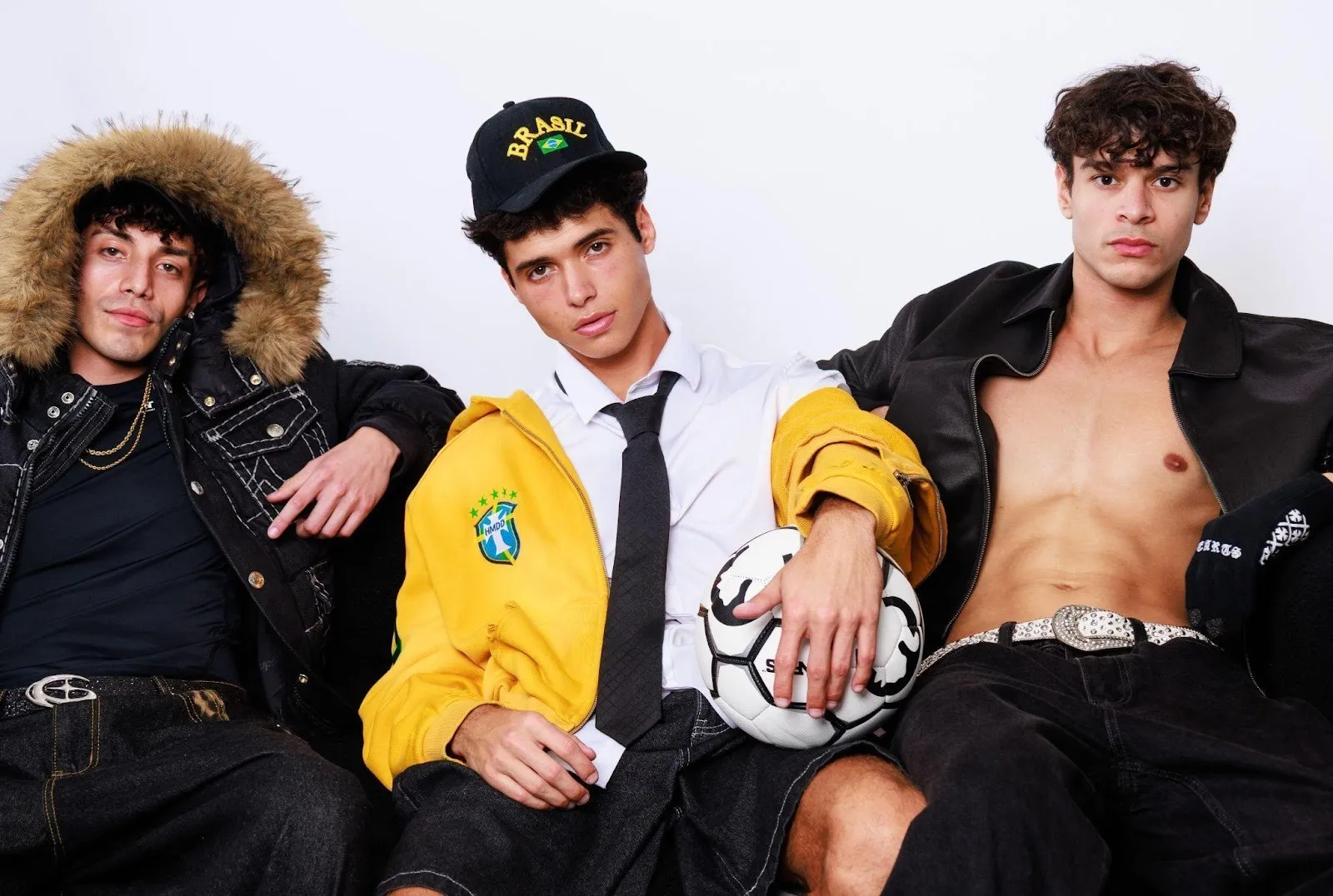
But for those paying attention, it represents something more specific — a growing cultural pocket that continues to expand, driven by authenticity, consistency, and a clear connection to its audience.
And based on its current trajectory, it’s only going to become more visible from here.
Stay up-to-date with exclusive events and content.


