F L A U N T


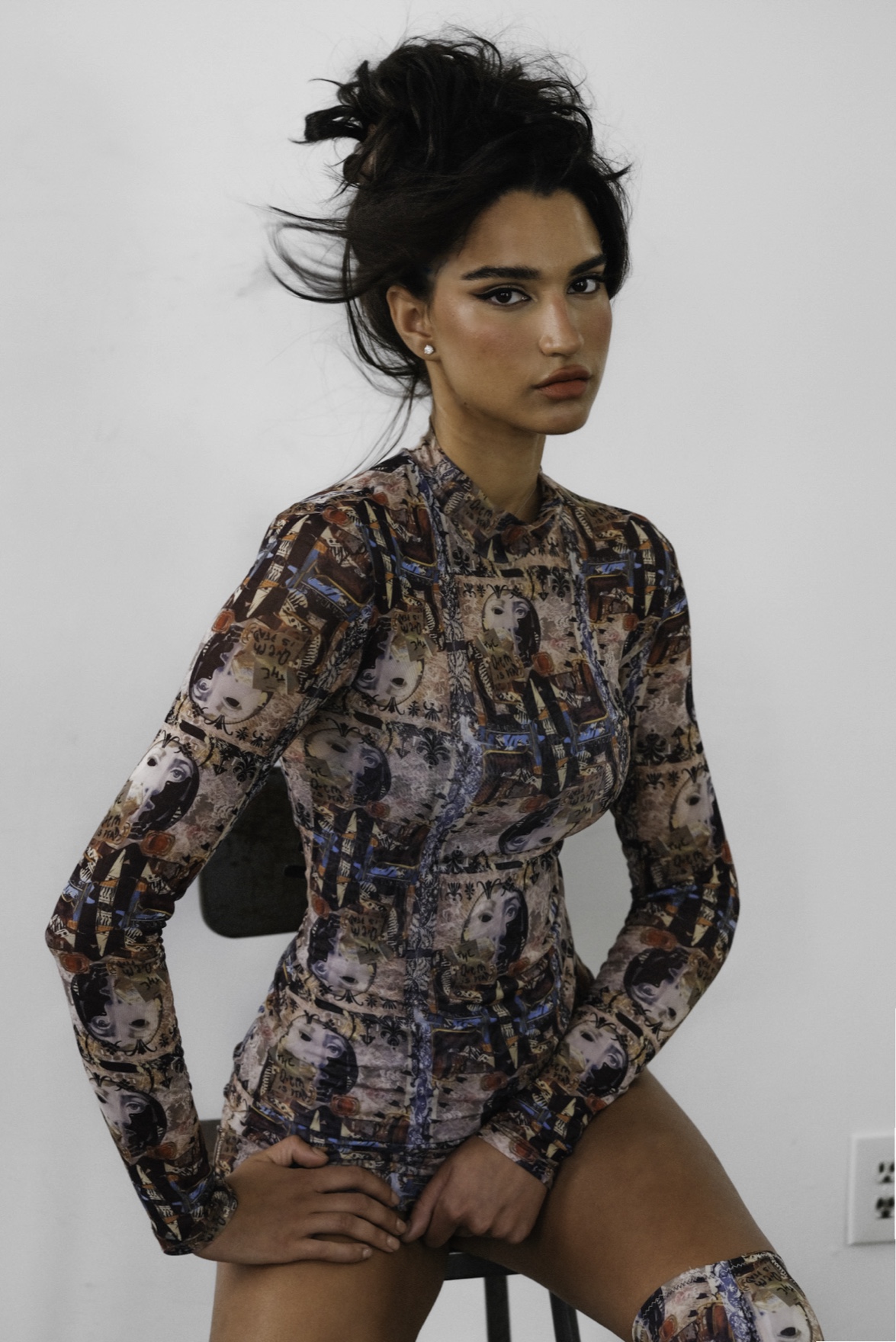
Six years ago, Talia Graf arrived the way few people are permitted to arrive. Enormous billboards of her proudly announcing her as the face of one of the most globally renowned labels plastered New York City’s iconic Times Square, international campaigns and major runways, and the paparazzi cameras that had once belonged to her family's mythology turned, almost immediately, toward her.
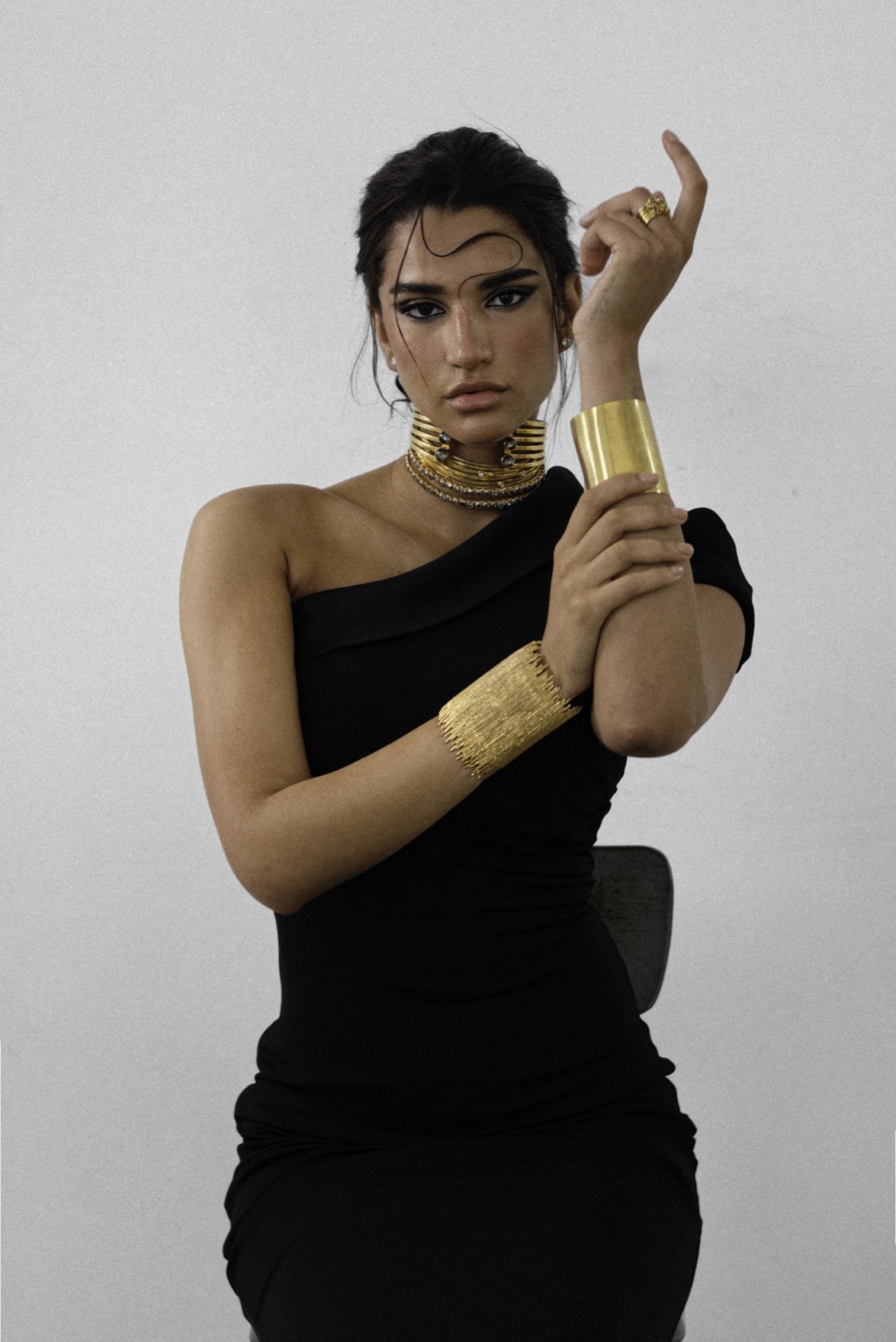
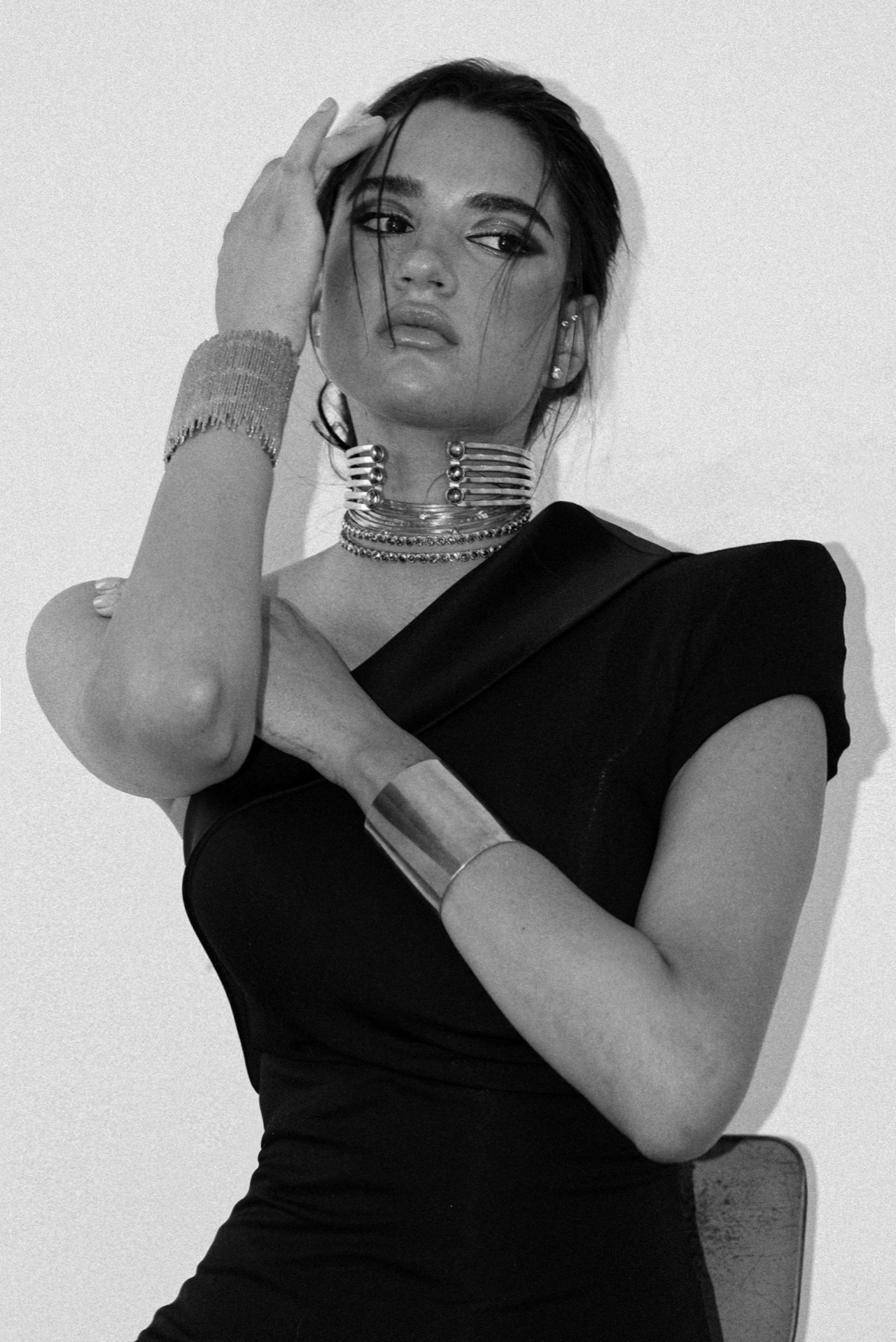
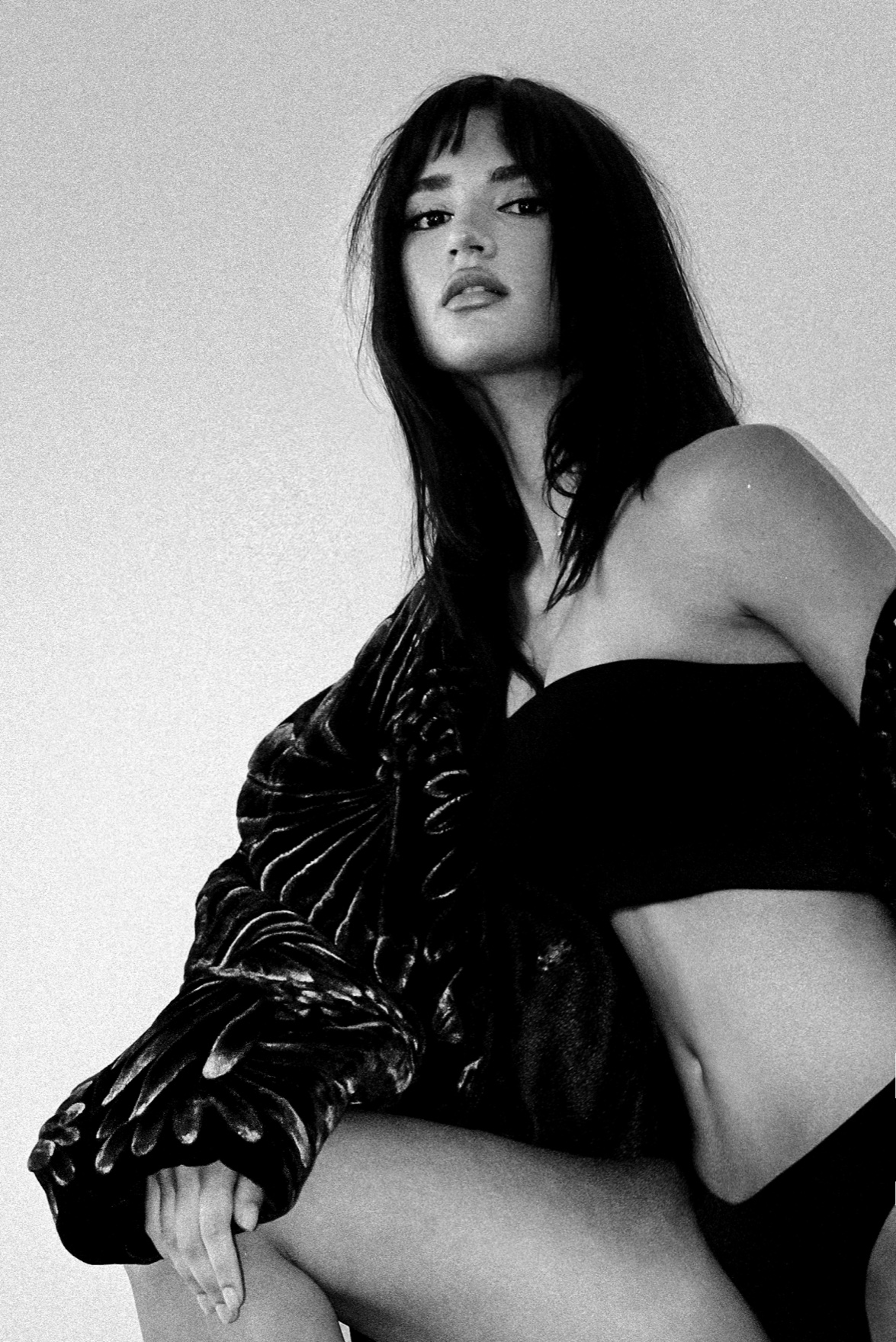
The Famed Artistic and Creative Director Gabriel Rey Heads The Image Team For This Exclusive Flaunt Magazine Shoot
-Edit.jpg)
The surname so iconic that it at least warranted a glance from the industry, but what opened the door and kept the demand was something that her surname could not supply: a discipline that read on film, a stillness that photographed like intention, and an instinct for the camera that cannot be taught, inherited, or borrowed.
For a time, she was everywhere. She accepted every offer, every city, every set, every booking. Visibility became not an achievement, but it became a condition, the current she felt she needed to move through had become a riptide. And at the exact altitude where most top models push deeper without thinking, Talia Graf got out of the water.
What followed was not a rebrand. There was no orchestrated silence, no strategic scarcity, no team calibrating her absence into intrigue. There was only a private decision, made quietly and kept quietly, to place her health and her interior life ahead of an industry that had never once asked about either. She left the rhythm of fashion because the rhythm had become louder than she was.
"There are moments when you realize you have been moving so quickly that you can no longer hear yourself," she says. "I needed to become quiet for a while. I do not think I understood exactly what I was searching for, but I knew I could not find it while continuing in the same way."
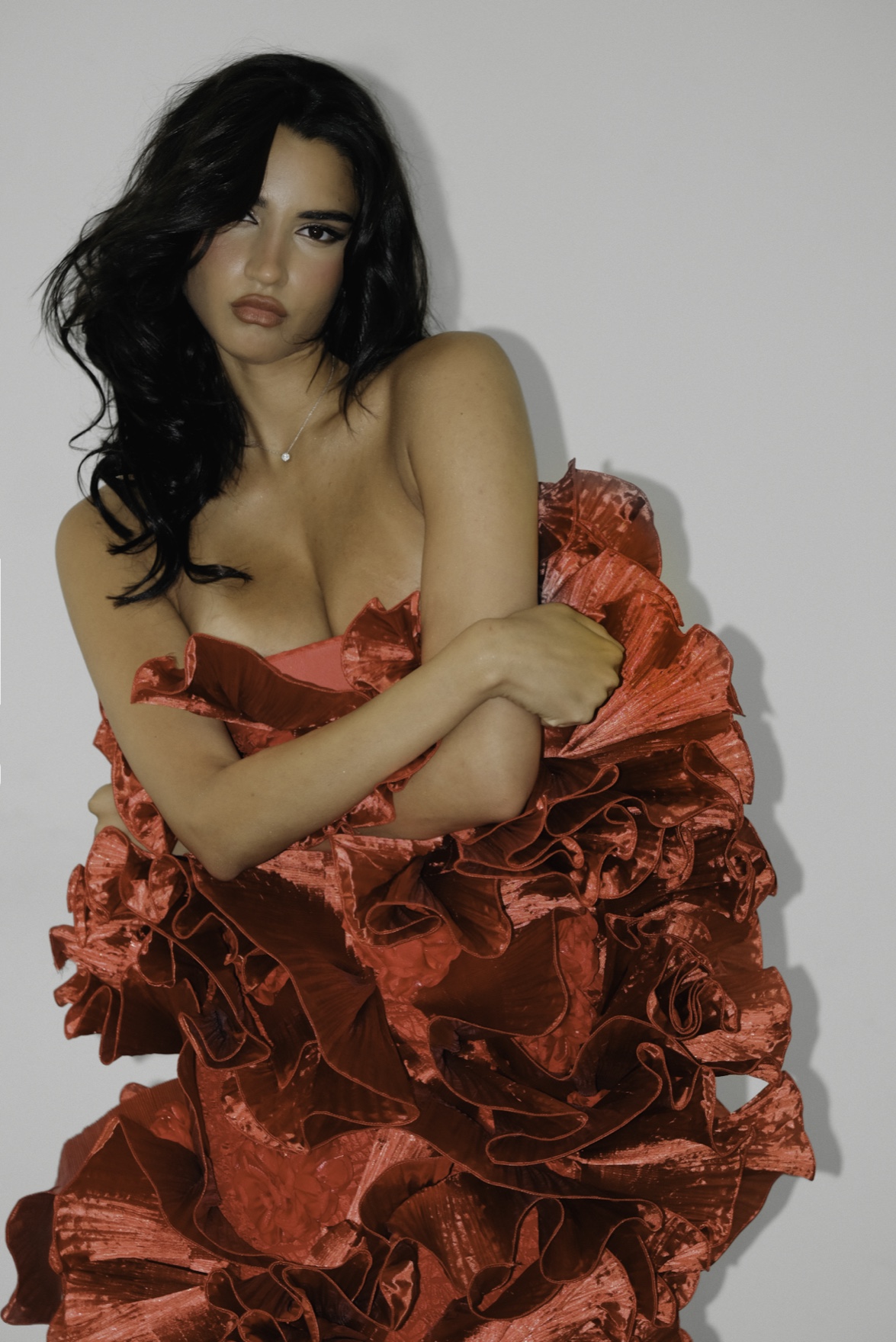
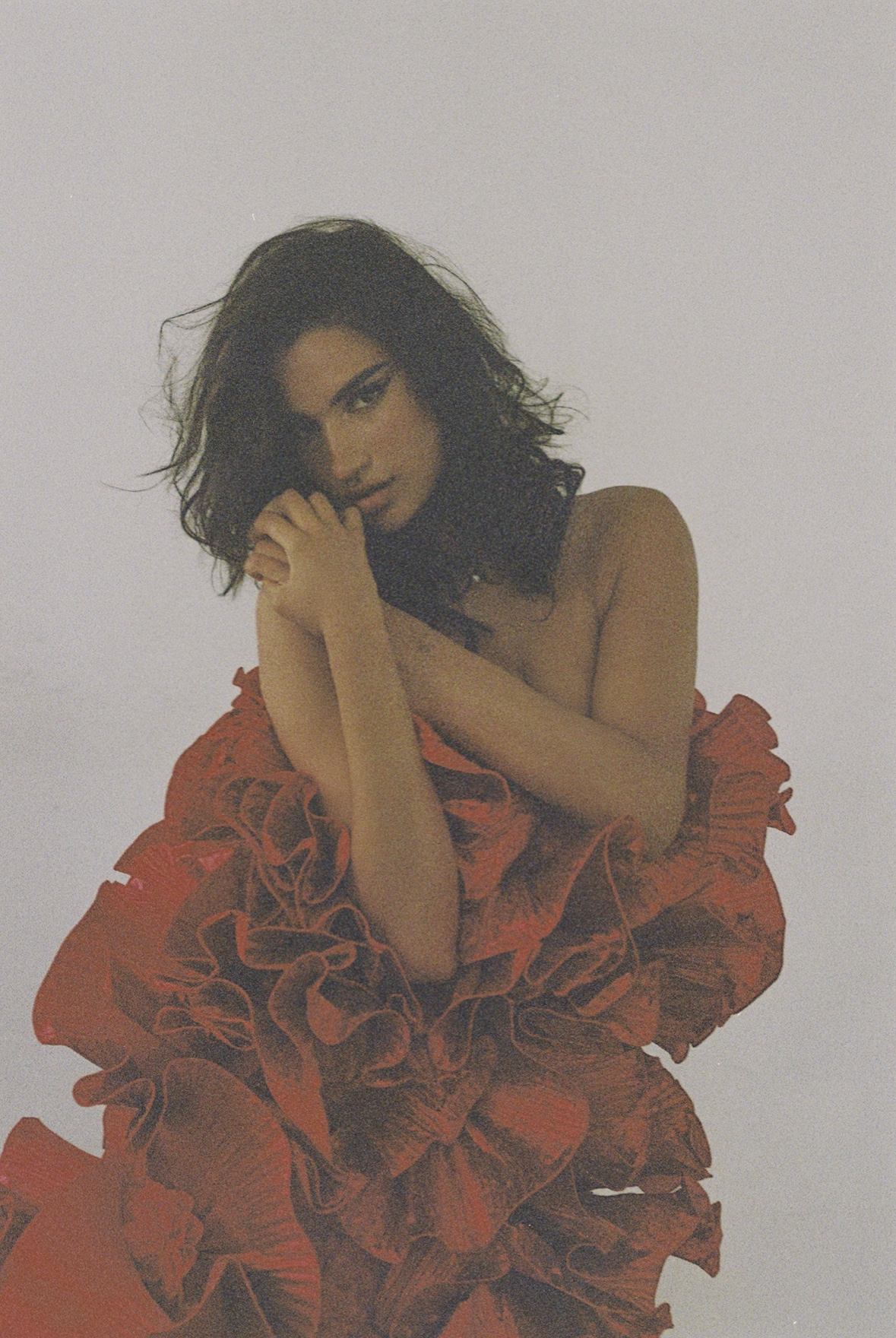
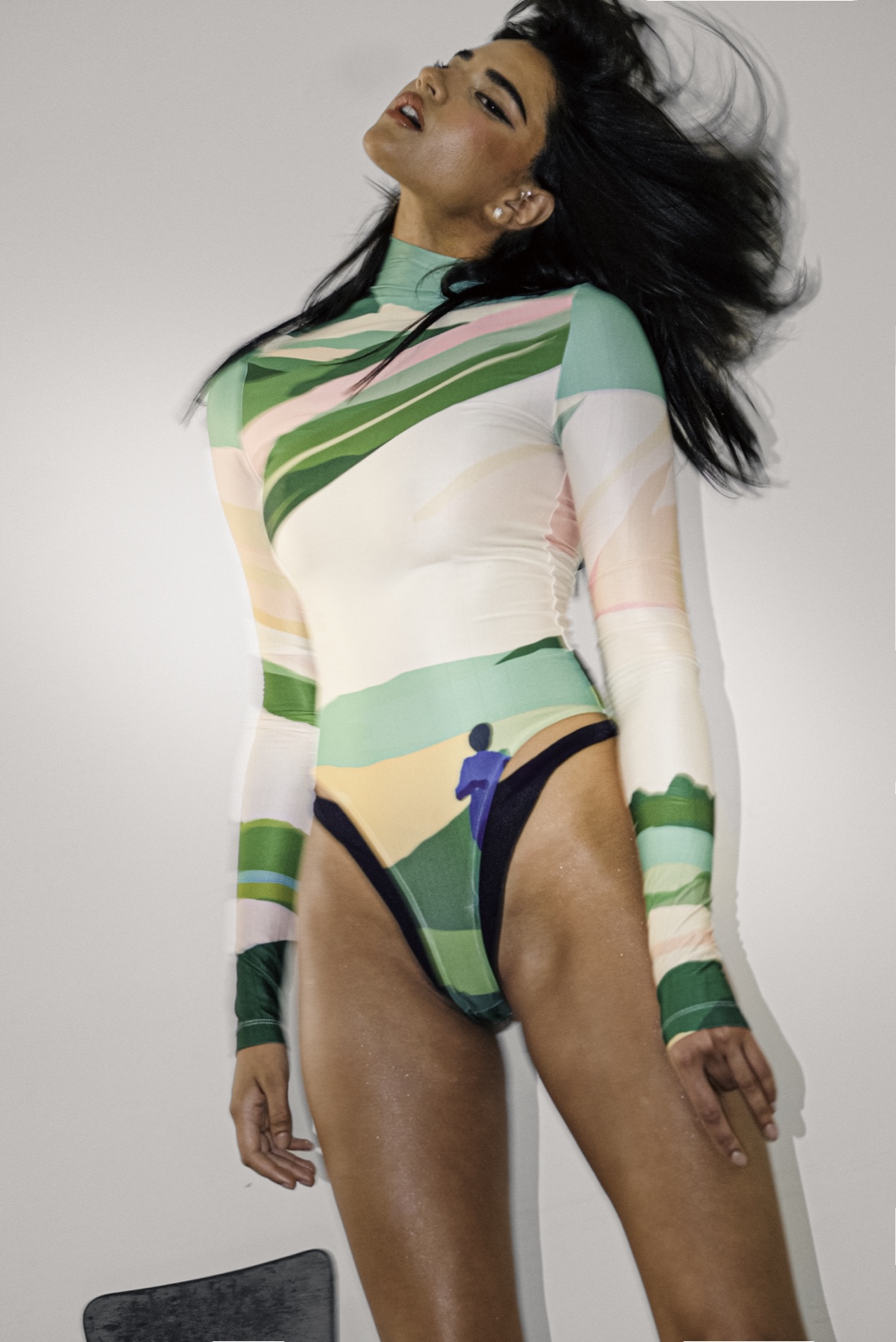
She offers no dramatic account of those years, and she is visibly uninterested in reducing them to a single explanation, a single event, a single before and after. Some chapters, she suggests, resist summary. They are not stories to be told. They are years that were lived, privately and completely, and their meaning belongs to her.
"I have learned that not everything needs to be explained in order to be understood," she says. "There were things I needed to face privately, and I am grateful I gave myself the time to do that. I am still learning what it means to take care of myself without apologizing for it."
She says this without ceremony, and the room lets it rest. It is perhaps the most honest sentence spoken all afternoon, and it requires nothing further.
Her return, then, is not a resumption. She has no interest in retrieving the life she set down. What she is building instead is deliberate: fewer sets, chosen carefully. A relationship with the camera that begins from presence rather than momentum. And something has shifted in the work because of it. The magnetism was always there, but it has deepened, settled, become quieter and more assured, the way a voice becomes more commanding when it no longer needs to be raised.
This is a reintroduction on her own terms. Talia Graf is no longer interested in being everywhere. She is interested in being fully present, exactly where she is. The pictures that follow are proof of what that presence looks like when a woman decides, finally, that she belongs to herself first.
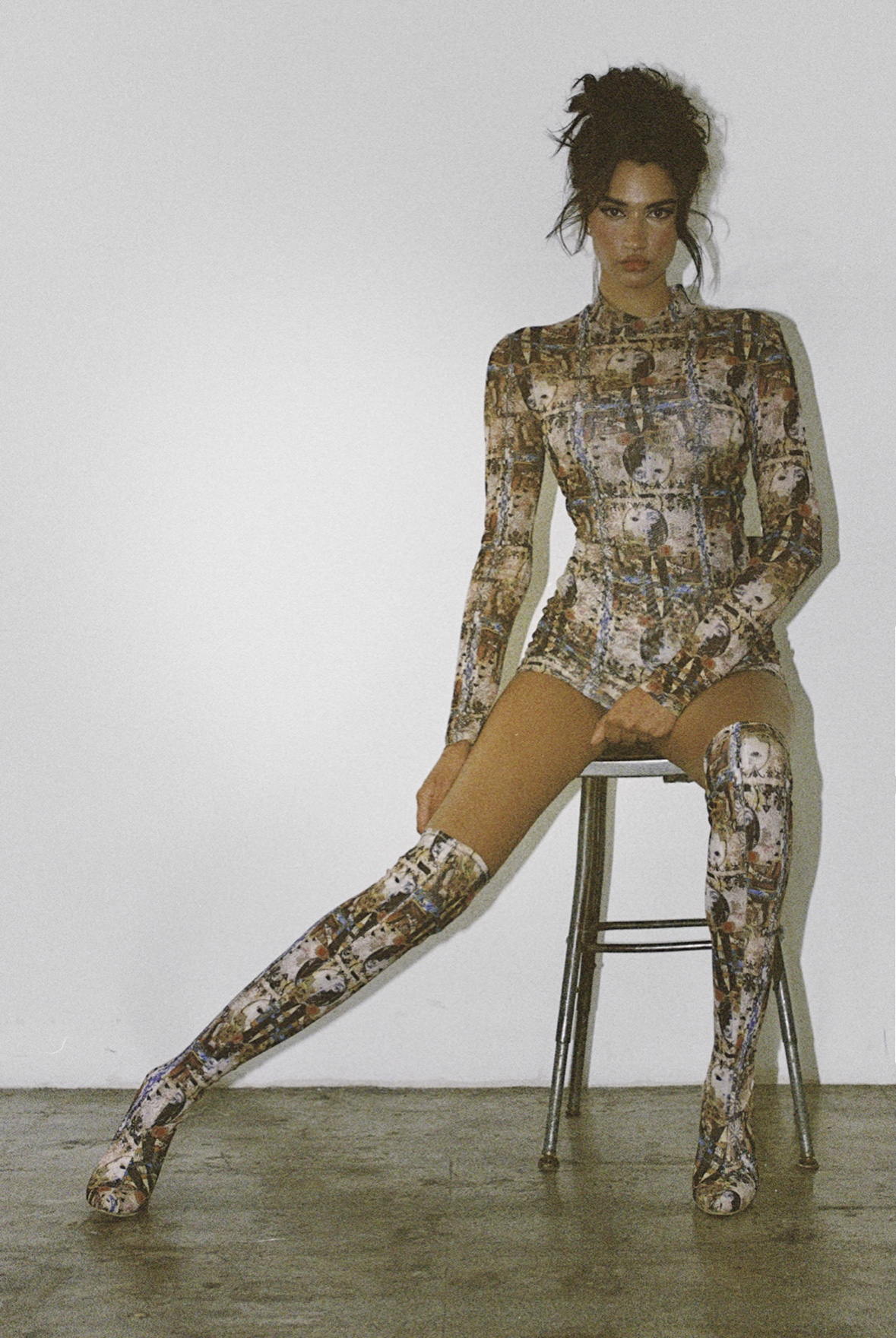
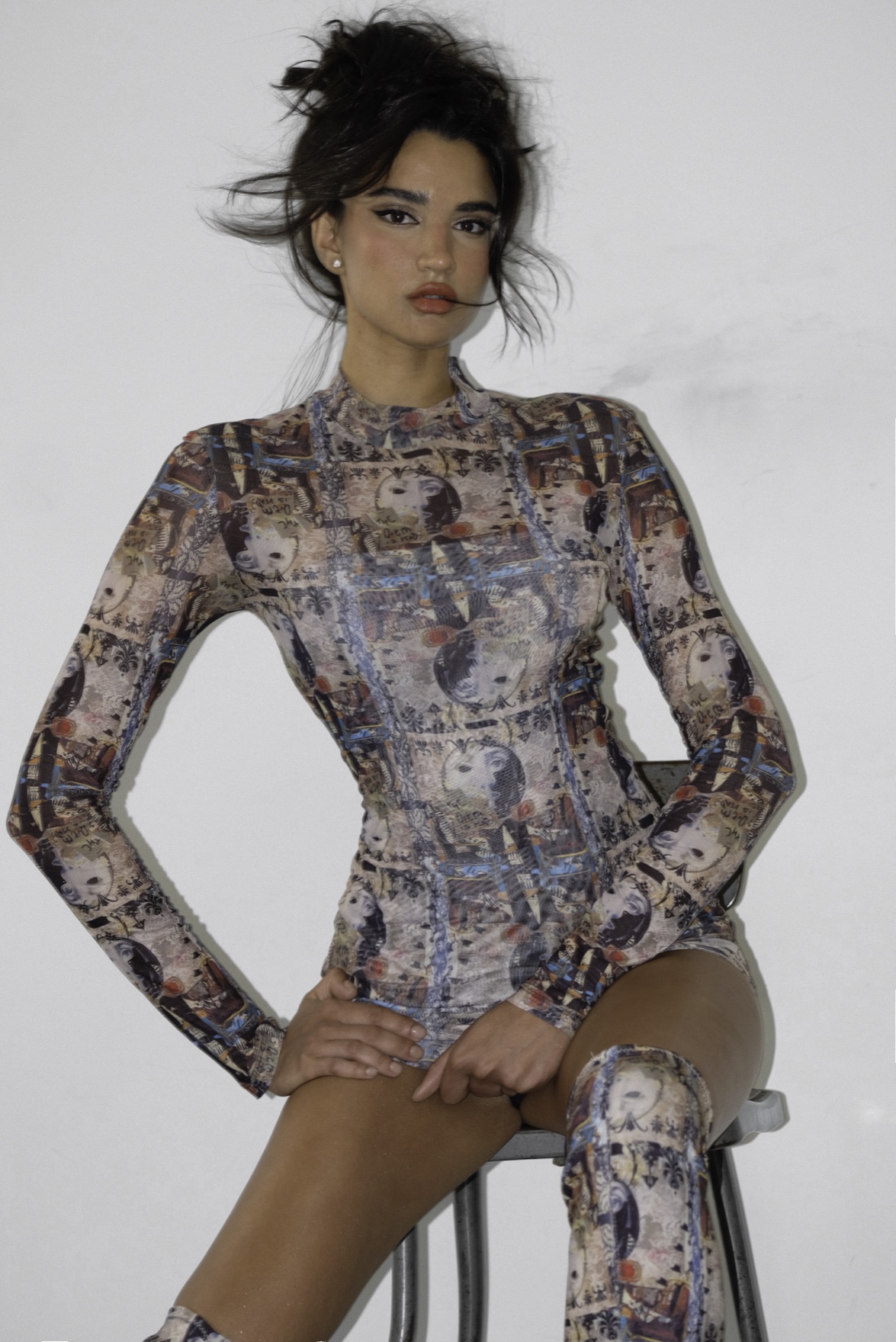
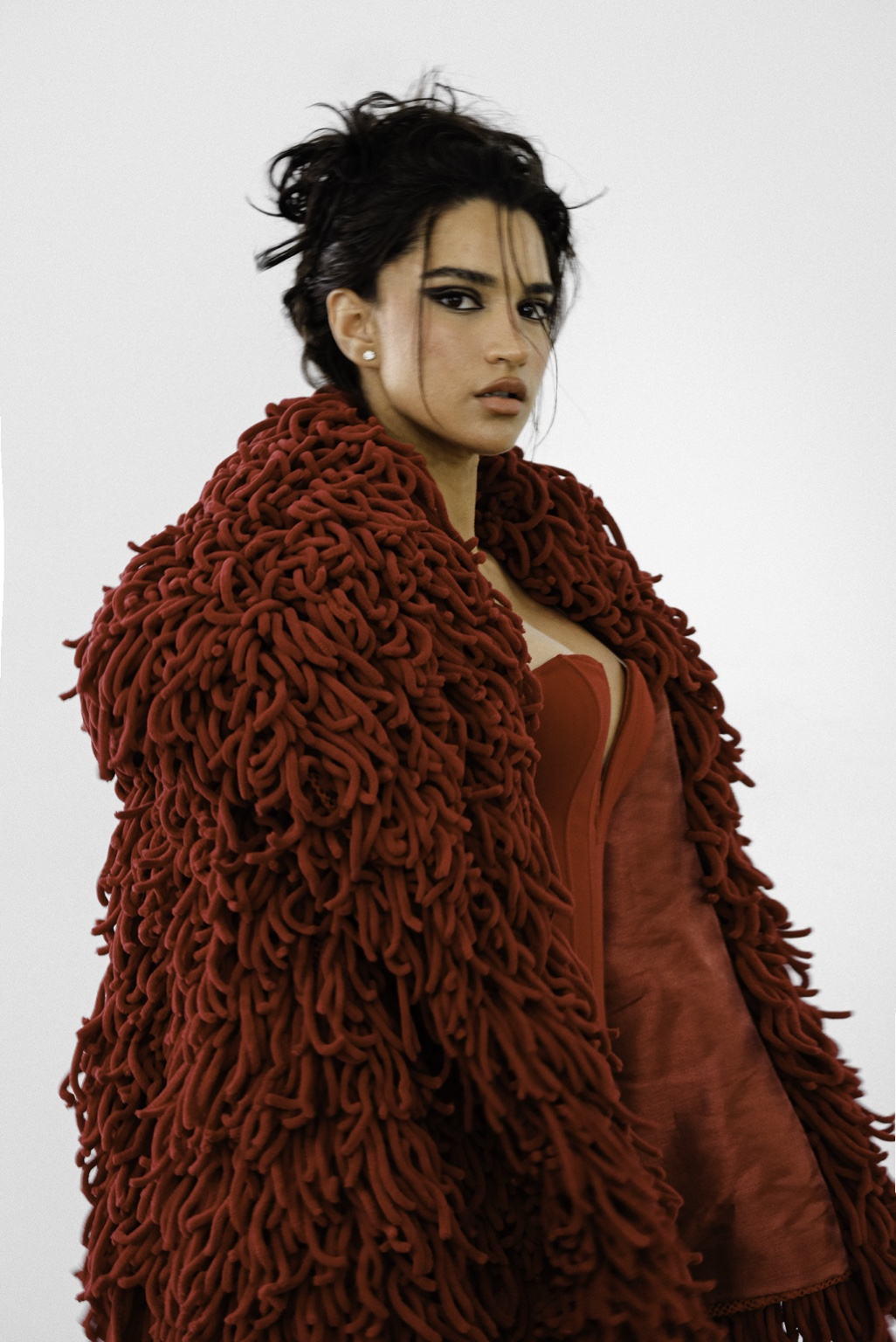
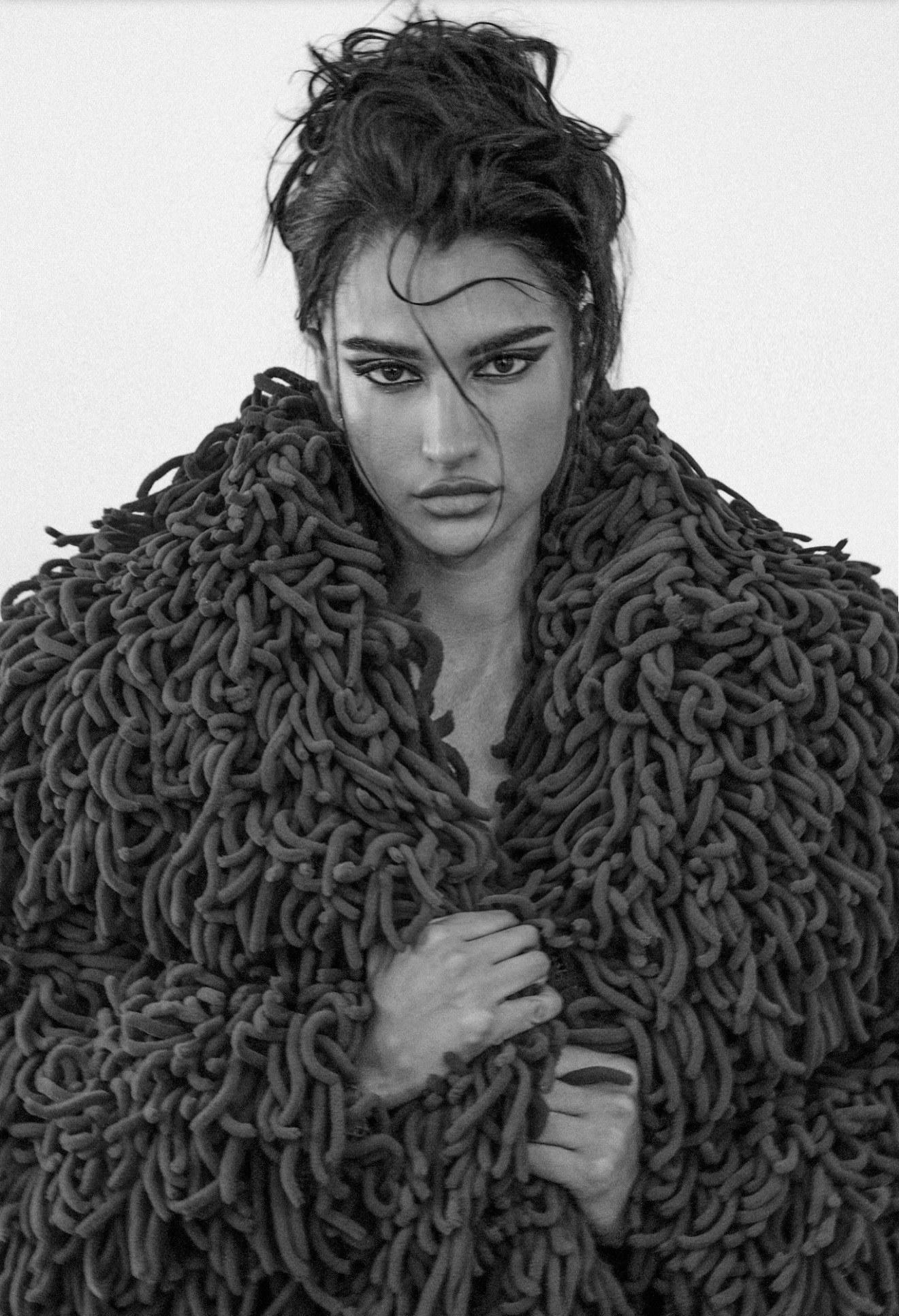
Creative & Artistic Director: Gabriel Rey for @GRI68.Studios
Photographer: Sandra Lowe
Stylist: Joe Gomez
Make Up: Astrid Gonzalez
Hair: Jill Colwell
Post-production: Rex Yu
Executive Producers: Gina Chung & Rhiyen Sharp for GAEA Agency / @GaeaAgency
Stay up-to-date with exclusive events and content.


