F L A U N T


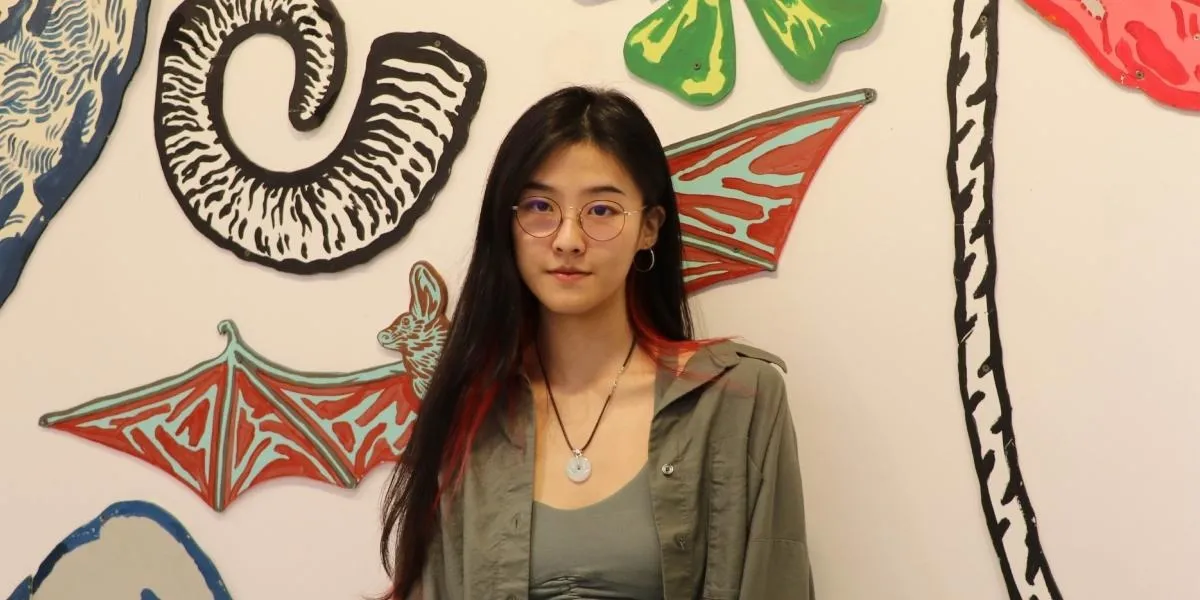
Pingyu Zhan, known professionally as Layla Zhan, works as an art director, multidisciplinary designer, and visual artist whose practice carries memory into form. Her career has drawn recognition from major international design competitions, curated exhibitions across the United States, the United Kingdom, Austria, and South Korea, and published media features covering her work as an art director and designer. She moves between China and the United States, and that cross-cultural footing shapes how she reads images, materials, and meaning. Her design portfolio features the projects that define her direction.
Zhan trained in visual communication and holds an MFA from ArtCenter College of Design. Her work spans packaging design, publication design, branding, illustration, typography, and art-driven storytelling. A single question runs underneath all of it. How can a visual object remember? For Zhan, design is not surface or decoration. It is a way to organize memory, atmosphere, material, and emotion into one coherent system.
As an art director, Zhan shapes the full relationship between concept, image, material, composition, photography, typography, and narrative. She does not treat design as isolated graphics. She builds atmosphere. She creates a visual logic that turns research into experience. This approach lets her practice move across commercial design, cultural design, sustainable packaging, and personal artistic investigation without losing a consistent voice.
Her own words frame the method clearly. “Art direction is about building a world around an idea, where memory, emotion, material, and image begin to speak the same language.” That belief turns each project into a small world with its own internal rules. In her hands, the role of the art director becomes closer to that of a translator who carries an idea from research into a form people can feel. A strong art director protects that idea at every stage.
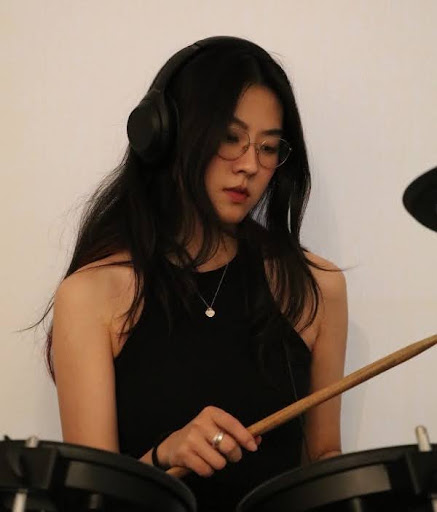
One representative work, The No. 335, shows how Zhan handles cultural translation. The white wine packaging project draws from the Dunhuang murals of Northwest China. Rather than copying historical imagery as ornament, she reinterprets mural-inspired forms through original calligraphy, illustration, packaging structure, photography, and careful material choice. The project uses recycled pulp labeling, so the physical material becomes part of the story rather than a wrapper around it.
The result reads as a quiet conversation between ancient wall painting and contemporary craft. It combines preservation and innovation in a single object. This is where her instinct as an art director becomes clear. She lets history speak through current design language instead of freezing it behind glass. A careful art director treats material as memory, and she does exactly that.
A second project, FreshFold Ampoule, points to her interest in packaging innovation and material intelligence. Recognized by both the Red Dot Design Award and Communication Arts Competitions, the concept treats packaging as both a functional tool and an emotional object, built around sustainability and human-centered experience. Together, these works show a designer who thinks about how people touch, open, and remember the things they use.
Zhan also works in a more personal register. Her Inner World series studies the emotional effects of digital engagement. The work looks at how screen-based environments shape perception, behavior, identity, and private experience. It sits at the tension between the loud external feed and the quieter interior life of one person.
The series reflects her wider interest in perception, memory, and overstimulation. It also reveals an art director willing to turn her tools inward and ask hard questions about the culture she designs for. Her professional voice carries into this body of work, and her ongoing studies continue alongside her exhibitions and recognition over time.
Zhan's projects have received recognition from international design platforms, including the Red Dot Design Award, Communication Arts Competitions, ADC, the Muse Design Awards, the A’ Design Award, the International Design Awards, and the Indigo Design Awards, among others. These selections reflect the reach of her work within the global design community and the steady development of her creative practice.
Her exhibition history extends across the United States, the United Kingdom, Austria, and South Korea. Her work appeared in the Un-Defined Sensibility exhibition at the Sasse Museum of Art in Pomona, California, and in 26462 Suns at the M P Birla Millennium Art Gallery in London. Her work was also selected for a Visual Art Journal physical exhibition in Vienna, and an upcoming solo exhibition at CICA Museum in South Korea further expands her presence within an international contemporary art context.
Publications including VINnews, Voyage LA, Artist Closeup Magazine, Visual Art Journal, Bold Journey Magazine, CanvasRebel, and Shoutout LA, among others, have featured her work. A longer feature interview traces the thinking behind her projects and the path that carried her between cultures.
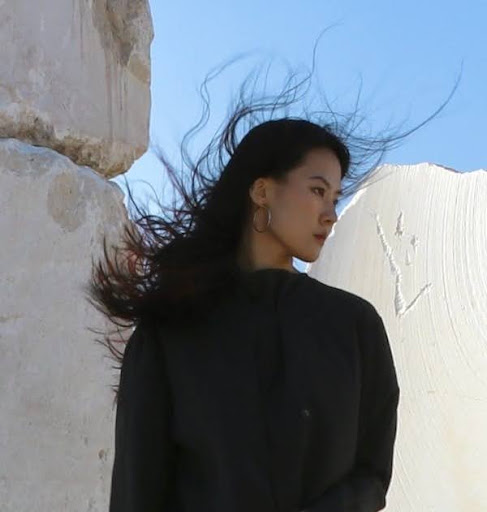
Across packaging, publication design, visual identity, and personal art, Zhan works as an art director who preserves memory and translates emotion. Her visual language joins the historical and the contemporary, the personal and the collective, the material and the psychological. She designs objects that stay with the viewer after the first glance.
Her recent visual studies and ongoing projects are evident throughout her exhibitions and published features. As an art director, Pingyu Zhan has built a recognized position within contemporary visual communication, using design to ask how a made object can carry cultural memory, emotional experience, and what we choose to remember.
Stay up-to-date with exclusive events and content.


