F L A U N T


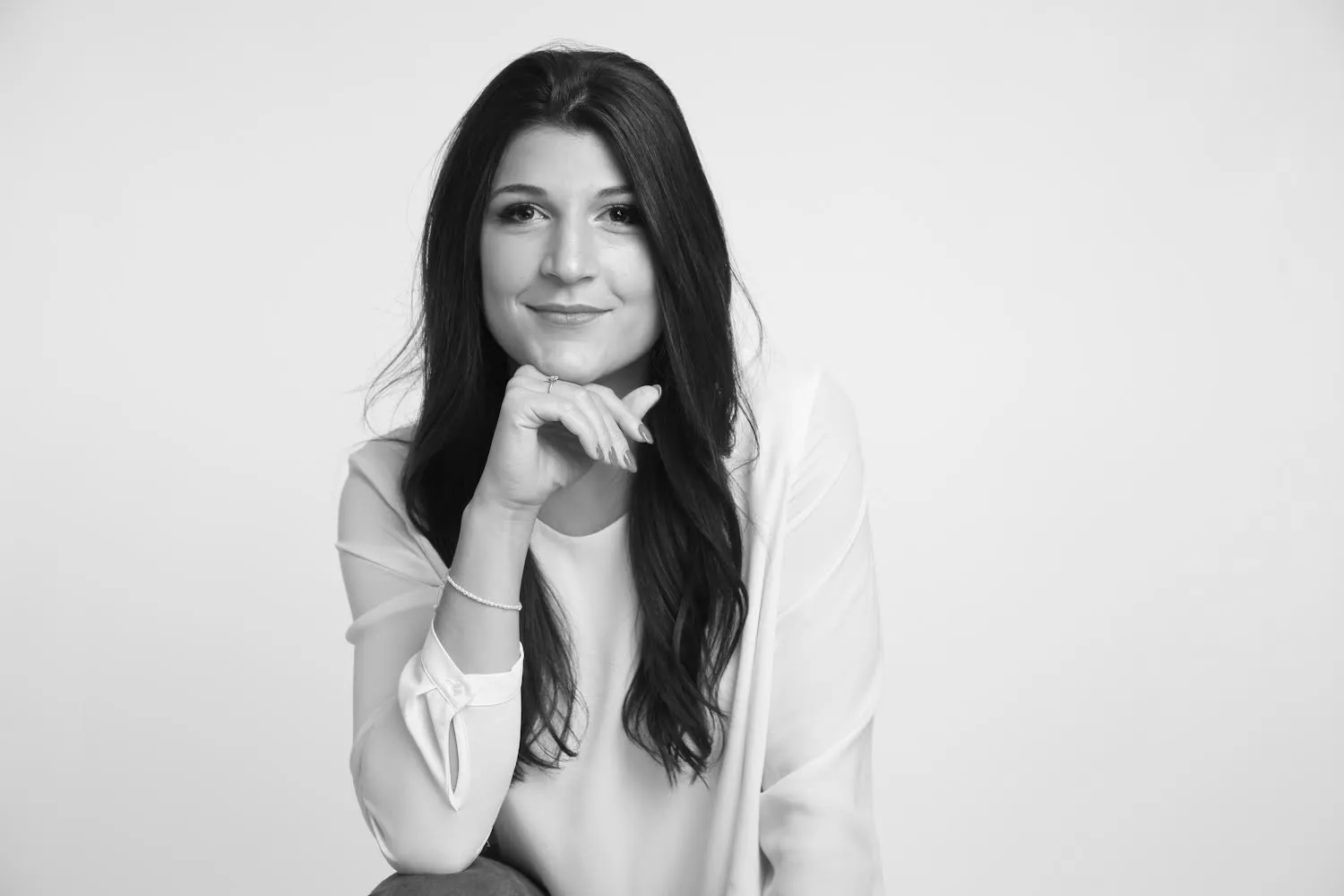
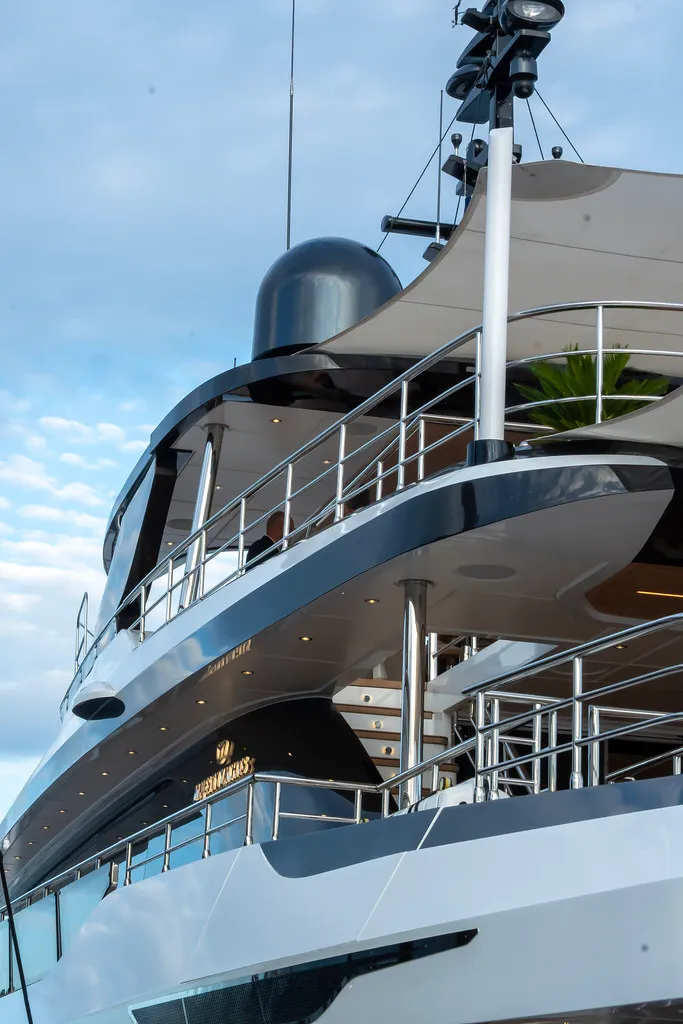
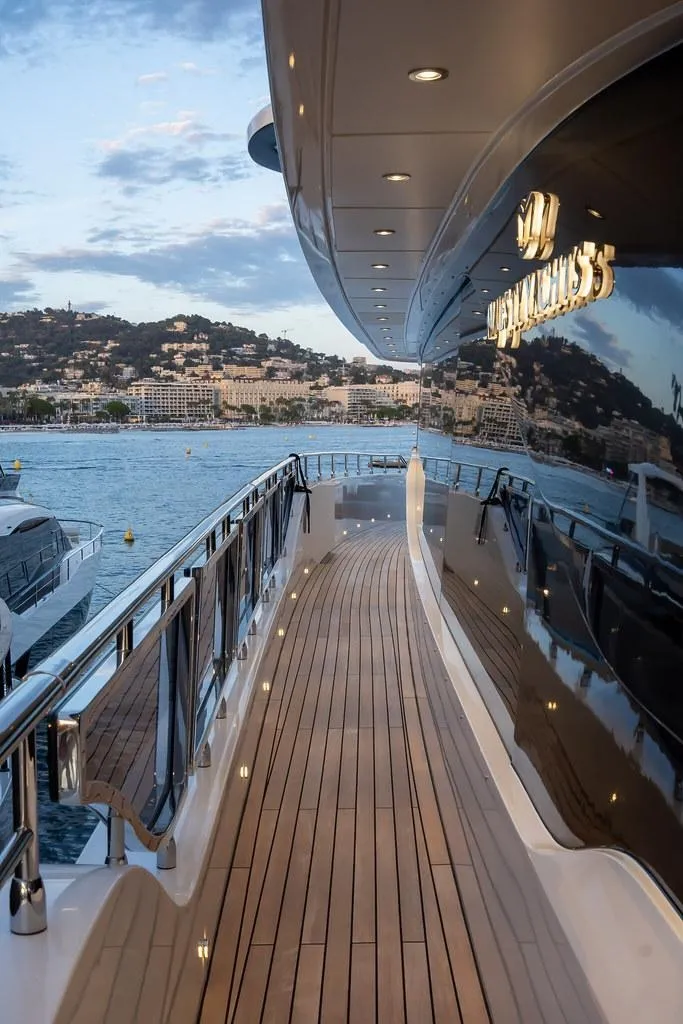
The cocktail is on a yacht. Twenty guests. American brokers, European real estate directors, family office intermediaries, yacht principals between Miami and Monaco. The Cannes Yachting Festival closed hours ago, but the real conversations are beginning offshore. Ninon Maillefer, a matchless architect of transatlantic luxury access, arrives by tender and moves immediately into introductions. The room is intentionally small. In luxury, proximity is part of the architecture.
An accidental aesthetic education
Before luxury, Ninon spent seven years inside renowned international technology and enterprise organizations, where customer experience, process design, and precision were treated as competitive advantages rather than support functions.
"You absorb a way of working," she said. "Discipline. Rigor. Customer experience designed intentionally rather than improvised."
The pivot to luxury came as a deliberate choice. The buyers she would later serve, wealthy families and family offices, were among the most demanding clients she had encountered. They were also, in her view, served by industries that had not yet evolved to match the way they lived.
Beginning in 2024, she led the development of a major international referral and partnership structure between a leading European luxury real estate brokerage and a large American residential platform, connecting more than 500 offices and 40,000 brokers worldwide. The partnership generated a transaction pipeline exceeding one billion dollars, an unparalleled outcome that placed her at the forefront of cross-border luxury brokerage.
Her transition into luxury real estate revealed something broader about how wealth actually lives. The same clients acquiring villas on the Côte d'Azur were also chartering yachts in the same waters, moving capital internationally, and building private worlds around mobility, family, and lifestyle.
"You start with the lifestyle. The asset follows."
That insight became the bridge between her real estate work and yachting, where she took on a cross-border leadership mandate in 2025.
The transatlantic gap
Her work sits between two luxury cultures that approach access differently. Mediterranean yachting still operates through deeply personal networks, discretion, and long-established reputational circles. American clients arrive with different expectations around responsiveness, visibility, and experiential fluidity.
"Neither side is wrong," she said. "But they do not naturally operate at the same rhythm. Someone has to translate both the expectations and the environment."
The challenge extends beyond language. It is cultural, sensory, and emotional at once. What feels intuitive in one market can feel opaque in another. At this end of the market, clients rarely move between worlds without trust already embedded into the experience itself.
For Ninon, the role is less brokerage than interpretation. Decoding cultural codes. Aligning communication styles. Building bridges between markets that evolved separately.
Why experiential luxury became infrastructure
Since 2020, she has observed a shift inside luxury consumption. Digital saturation reduced the value of generic access. Affluent clients increasingly seek environments that feel private, immersive, and difficult to replicate.
In her view, the yacht changes the psychology of interaction entirely.
"At this level of the market, trust rarely forms through formal presentations alone. It forms through proximity. Who shares the table. Who boards the tender. Who remains after the event officially ends."
Ninon now curates world-class private yacht experiences across major international destinations throughout the year, connecting Mediterranean luxury with international wealth networks and the global boat show circuit.
Attendance remains intentionally limited. Yacht owners, family office representatives, real estate principals, luxury house partners, and brokers come into the same room.
Partnerships with houses in jewelry, wines and spirits, hospitality, wellness, and contemporary art reinforce the atmosphere around the event. The objective is not sponsorship in the traditional sense. It is alignment.
"The encounter only works when the operator builds it. The European reflex and the American reflex meet in one evening, within a setting intentionally designed to build connection rather than transaction."
Groups remain small. Eight to twenty principals across multiple luxury industries. The effect, she argues, is astonishing precisely because the gathering is engineered rather than improvised.
"At the top of the market, the encounter becomes part of the product. Before the pandemic, luxury sold the asset. Increasingly, it sells the people and environments brought together around it."

When the venue is also the asset
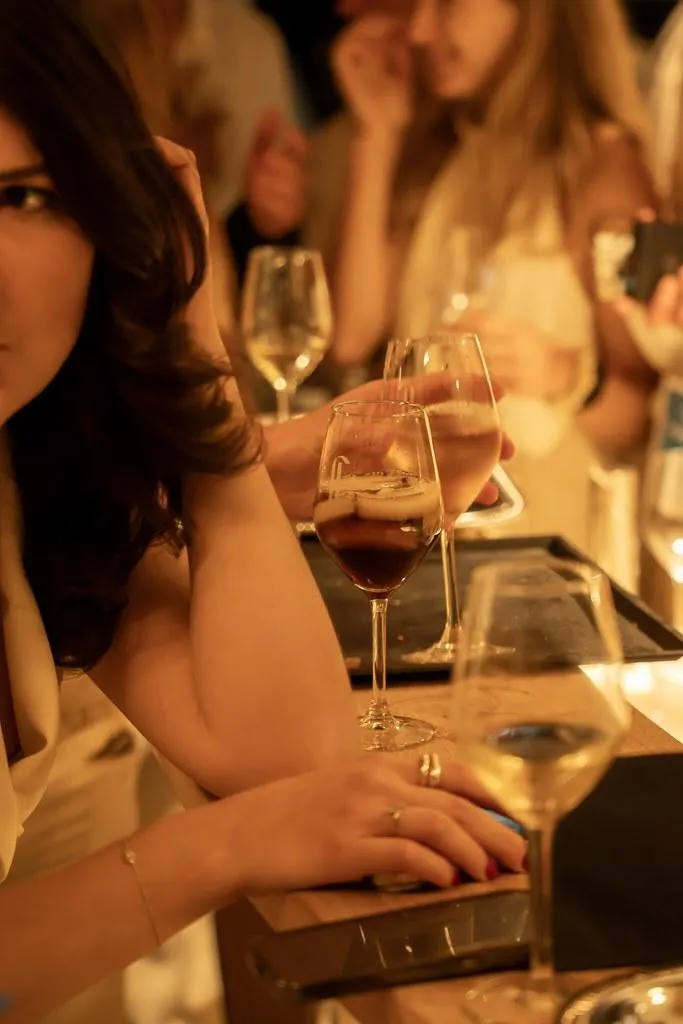
At nine, the cognac ambassador opens the decanter. Inside sits a master blender's lifetime of work. The atmosphere shifts. Phones remain down. The tasting slows the room.
The ambassador walks the guests through decades of succession, crystal carved by hand, and cellars kept under lock for generations. The cognac is not simply served. It is taught.
The objective is not promotion in the traditional sense. It is immersion. The tasting is intentionally slow, led by experts who understand the product at a depth few clients encounter privately.
The cognac is one asset. The yacht is the other.
"No salon, gallery, or private club builds the same environment. Clients rarely remember a pitch. They remember how access felt."
Stay up-to-date with exclusive events and content.


