F L A U N T


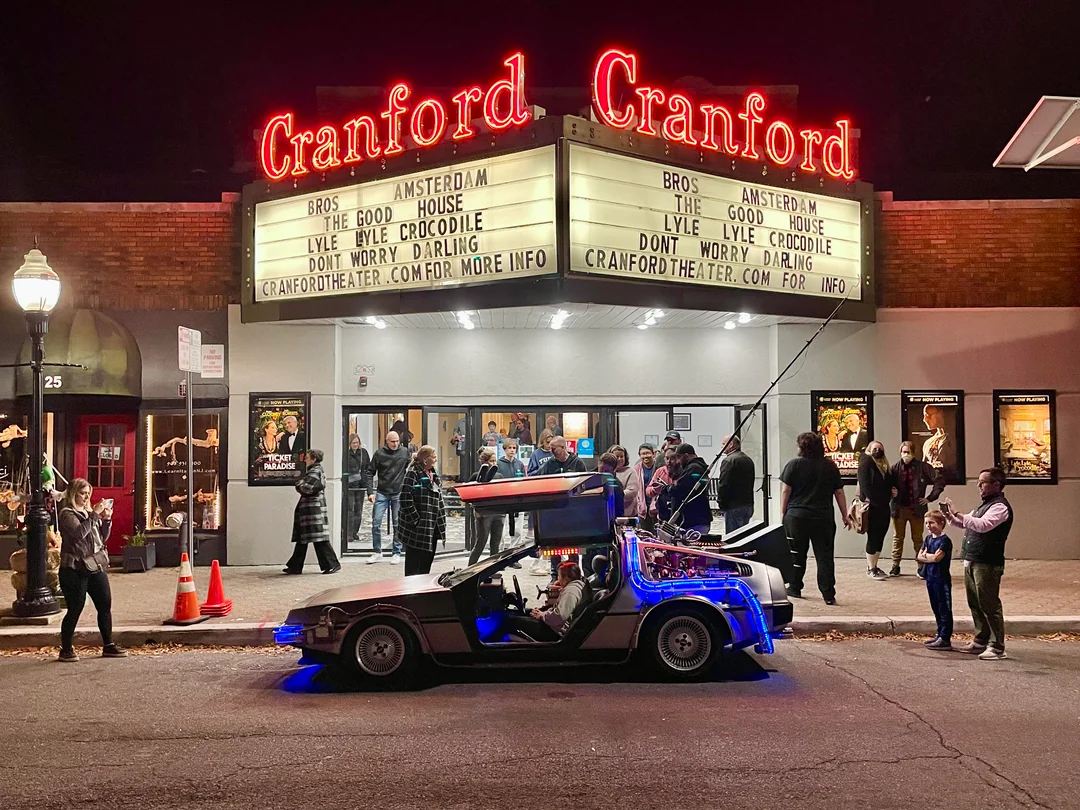
The hardest year of Doreen Sayegh's life was not the year the ceiling came down. It was not the summer in 2019 when the operator running her family's theaters walked out on both buildings and she had eight weeks to reopen the Cranford before the holiday movie season started without her. It was the pandemic year, the year she was a new mother, the year she was winding down the drive-in that had kept Cranford connected to itself through the shutdown and simultaneously trying to figure out whether the indoor theater she had reopened four months before COVID hit had any business reopening a second time.
"I had my daughter and just a few weeks later, we reopened our doors," she says. "There were so many unknowns. Would people come back to the movies? Had people gotten too comfortable watching films at home? Could an independent theater like ours survive what the industry had just been through? And now I had a newborn at home while trying to bring this nearly 100-year-old theater back to life."
The town wanted its theater back, and the wanting made everything heavier. "What made it even more emotional was knowing how badly Cranford wanted the theater back. I didn't want to let the community down. Their love for the theater created a sense of responsibility that went far beyond running a business. Looking back, that period was probably one of the most challenging of my life, but it also showed me just how much this theater means to people, and how much they were willing to show up for it."

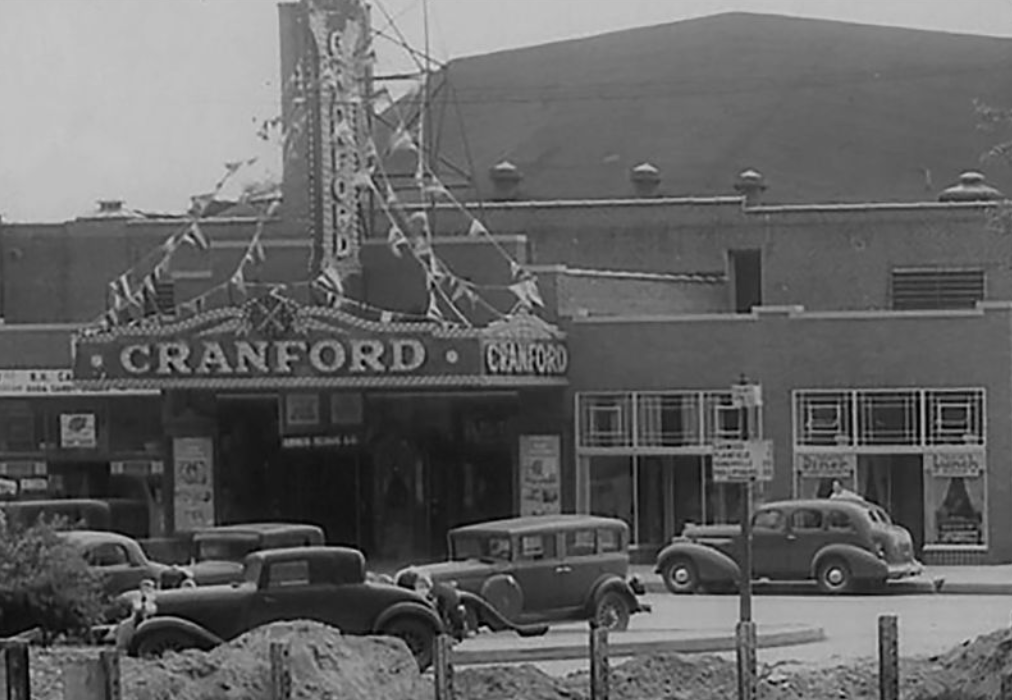
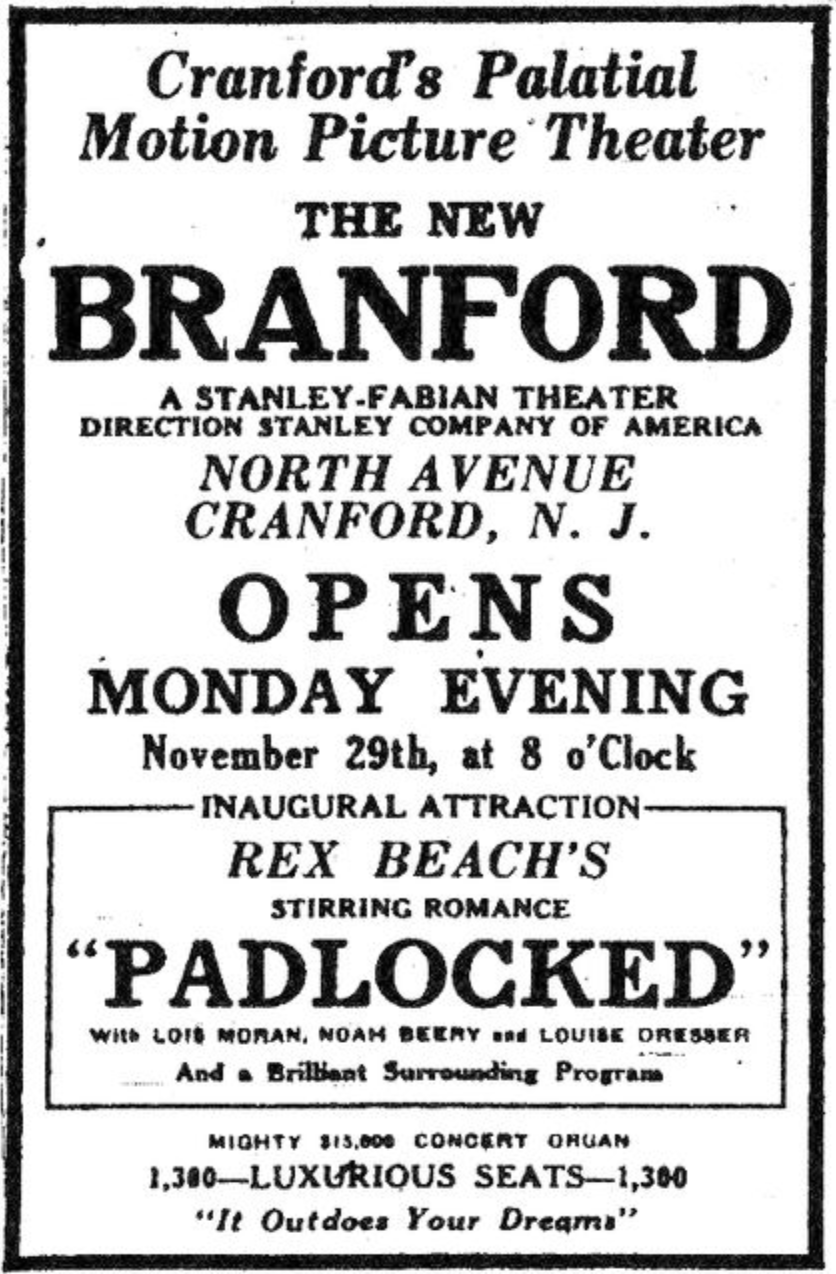
That is the shape of the last five years at the Cranford Theater. A town in love with a building on North Avenue West, and a woman carrying that love through a maternity ward, a pandemic, a five-screen cinema that had been dark for months, and eventually a Wednesday night in April 2025 when an auditorium ceiling came down and she had to shut the doors again. On November 29, 2026, the Cranford turns one hundred. One hundred years to the day since a silent picture called Padlocked opened the house to a crowd so large that people were turned away at the door. Doreen is walking into the anniversary with a theater that no longer looks or works or thinks the way the theater she inherited in 2019 did. She has been quietly rebuilding it for six years, and the town is only starting to notice.
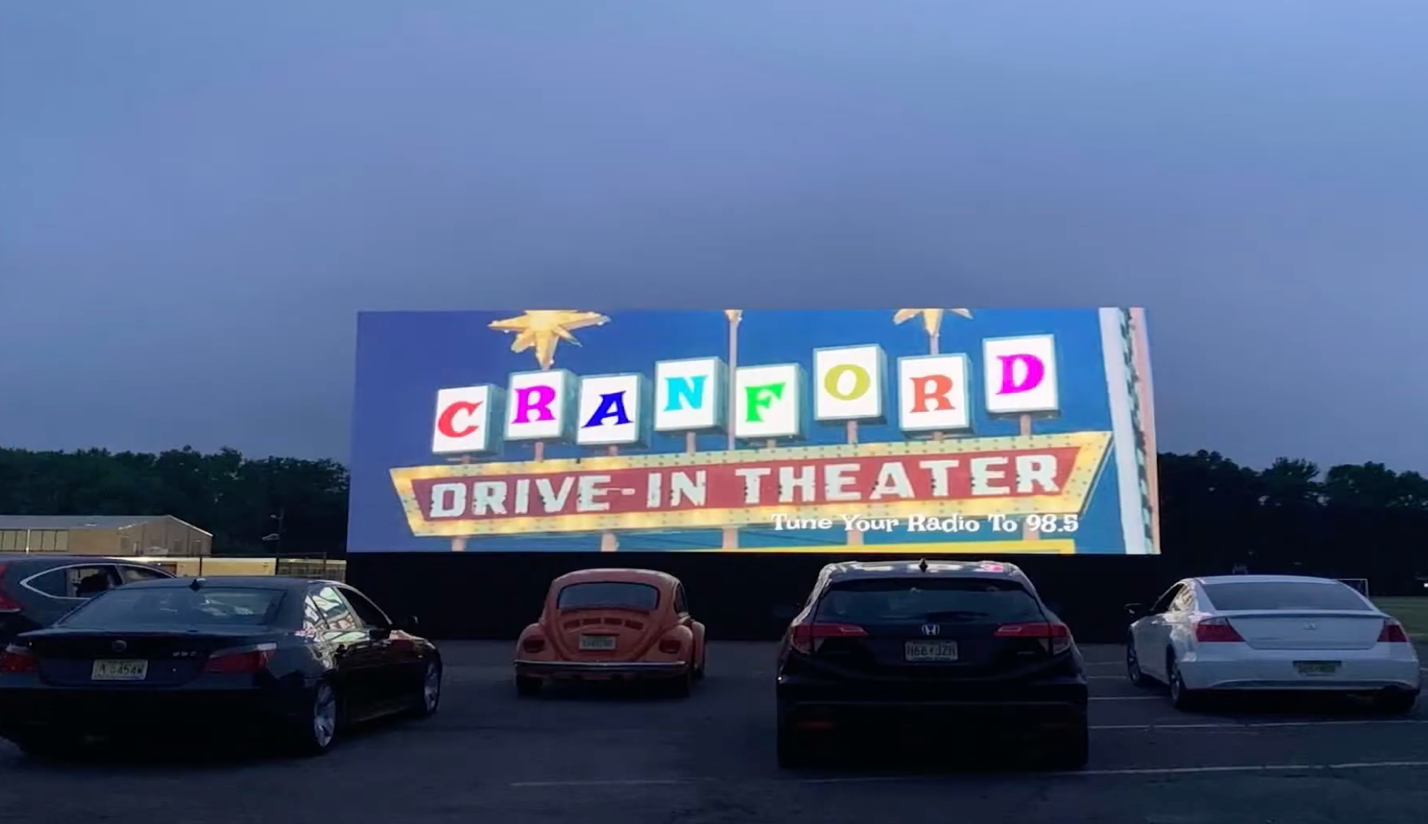
Doreen had never been to a drive-in in her life before she built one. She was a lifelong exhibition-industry professional whose father, Jesse Y. Sayegh, had owned the largest independent chain of movie theaters in New Jersey through the 1990s. She had sold her first bag of popcorn at eight years old. She had worked her way up through operations, marketing, film booking, and eventually the Vice Presidency of Alternative Programming for two national chains before consulting for ScreenVision. And she had never in her adult life pulled a car into a lot at dusk and watched a movie on a giant outdoor screen. In June 2020, three months into the shutdown, she rented the parking lot of the Orange Avenue Pool, built a forty-foot screen and a concession booth out of a shipping container, and opened one anyway. Then she stood in the back of the lot for a summer and watched what happened to a Cranford audience when you took away the walls.
"What surprised me most was realizing that you could take away the auditorium, the seats, the walls and even the traditional movie theater setting, and the magic of watching a movie together was still there. What I witnessed at the drive-in was that movies on the big screen, whether that screen is inside a theater or outside under the stars, bring people together. I watched people sing along, recite lines from classic movies they had probably seen dozens of times, laugh together and cheer. You could hear car horns honking and see headlights flashing when something exciting happened on screen. Families came in their pajamas, kids watched from the backs of SUVs, and people made an entire evening out of it. And this was during a time when people had been separated from one another for months. We were all being told to stay apart, yet somehow a movie screen gave people a safe way to feel connected again. That really stayed with me."
What stayed with her was not the drive-in. It was what the drive-in proved. "It reinforced something I have believed my entire life," she says. "Moviegoing is about so much more than the movie itself. You can watch a movie anywhere, but there is something completely different about experiencing it together. The drive-in proved to me that you don't necessarily need four walls to create that feeling. You just need a big screen, a great movie and an audience ready to share the experience."
The Cranford has five screens, and Doreen books them the way an independent bookstore stocks its shelves. She knows the people who walk through the door. She programs for them. "I know my audience," she says. "After all these years, I have a pretty good instinct for which movies Cranford will respond to and which ones simply aren't going to find an audience here. A studio or distributor can look at demographics, tracking and national trends, but I'm standing in the lobby talking to our customers. I see who is coming through the doors, what they're excited about, what they're asking for and what they come back to see. There are times when I'll look at a movie that everyone expects to perform and know it isn't going to work for us. And there are other times when I see something and immediately think, my audience is going to love this."
She trusts the instinct now, and it is part of why the five screens are no longer only for movies. Somewhere between the drive-in summer and the ceiling collapse, Doreen stopped seeing her auditoriums as rooms for films and started seeing them as rooms for whatever a town needs a room for. Comedy nights. Live music. Author events. Fundraisers. Filmmaker Q&As. Independent films. International films. School programs. Sensory-friendly screenings. Community meetings. "I no longer look at our five auditoriums and think only about what movies I can put on those screens," she says. "I look at them as five spaces where I can create experiences and give people a reason to leave their homes and come together. To me, that's where the future of movie theaters gets really exciting."
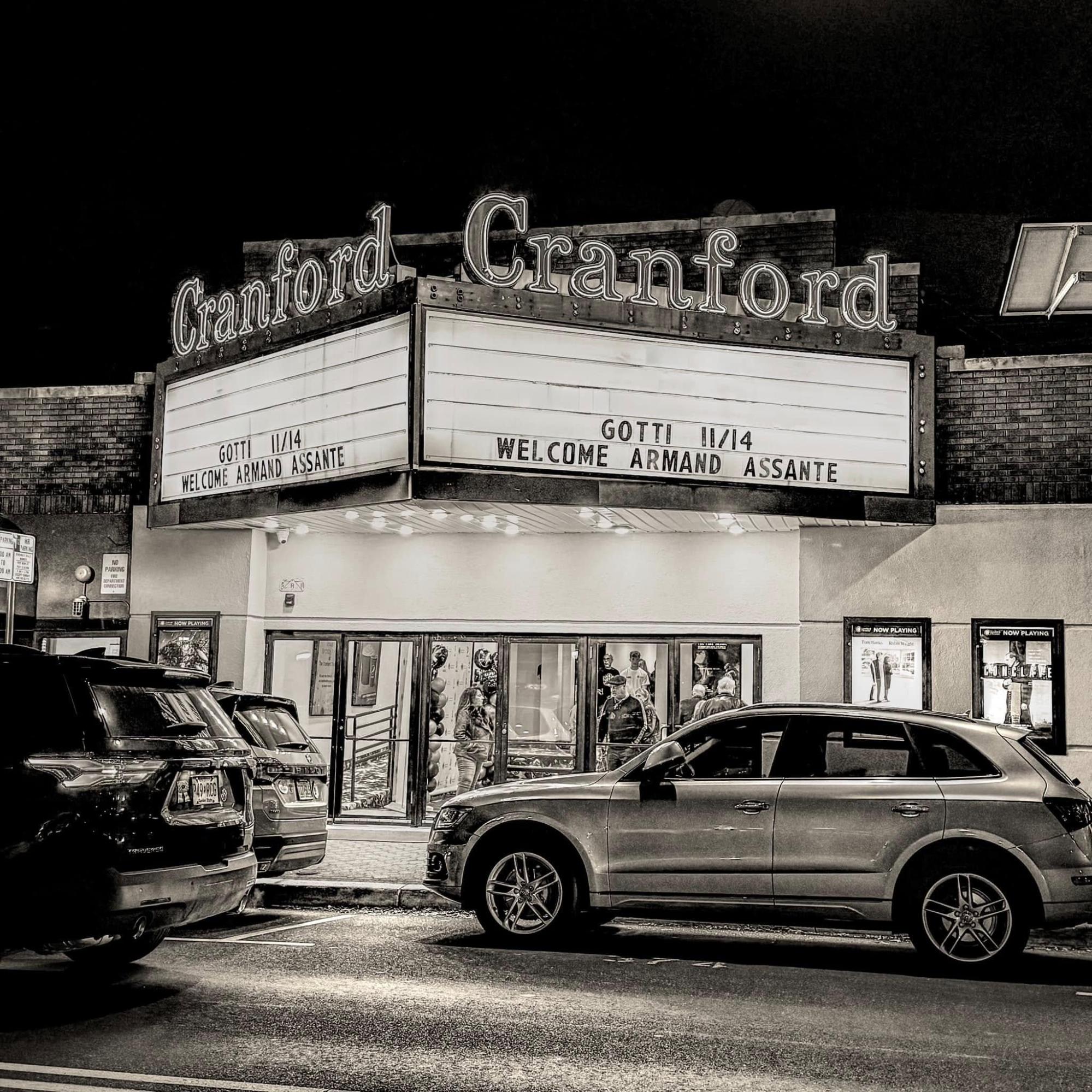
Comedy cracked it open for her first. "Seeing a sold-out auditorium laughing together at a live performance made me realize that the same thing I love about movies, the shared experience, is what makes so many other forms of entertainment work in that room too. Then we started doing author events, live music, fundraisers, filmmaker Q&As, community programs and other special events, and I began looking at the theater completely differently. It changed my thinking from, what movie can we show, to what experience can we create."
The ceiling came down on April 30, 2025. It was a Wednesday. Nobody was hurt. Doreen had to close the theater she had spent six years rebuilding, and for the next seven months she lived in a world of contractors, engineers, insurance adjusters, and dark auditoriums. When she reopened on November 25, 2025 — four days before the theater's 99th birthday, refusing to miss the anniversary by even a week — what she had rebuilt looked, from a customer's seat, like the same theater. It was not.
"Safety. Everything revolved around safety the second time," she says. The first renovation, back in 2019, had been about the aesthetic. New seats, new drapes, new projection, upgraded sound. This one was about the parts of a building nobody in a paying audience would ever see. "I questioned everything. I wanted things inspected, double-checked and, in some cases, checked again. If there was an opportunity to improve something behind the walls, above the ceilings or anywhere the public would never see, we did it. I wasn't interested in shortcuts. Of course I still cared about how the theater looked and felt when we reopened, but that came second. My first responsibility was making sure that when I opened those doors again, I could feel confident welcoming my employees, my customers and their families back inside. The biggest lesson the first renovation taught me was that some of the most important things you do to a theater are the things your customers will never see."
For a lot of Cranford, the Cranford Theater is a first job. The teenagers behind the concession stand grow up in that lobby, and Doreen has come to see them as one of the least-appreciated parts of a hundred-year-old business. "I've stopped assuming that because they're young, they aren't ready for real responsibility," she says. "For many of our employees, the Cranford Theater is their first job, and I'm constantly impressed by what they're capable of when you give them expectations, responsibility and the opportunity to rise to them. I've watched teenagers who were incredibly shy on their first day become confident enough to handle a busy concession stand, interact with hundreds of customers, solve problems and eventually help train new employees. You really get to watch them grow up right in front of you." She makes a point of telling them what they are doing matters. "I try to make them understand that they aren't just selling tickets or popcorn. They're part of someone's night out, a child's first movie, a family tradition, or a special event someone has been looking forward to. They make mistakes, they're teenagers, but so do adults. What I've learned is not to underestimate them. Give young people responsibility, hold them accountable, show them that you trust them, and more often than not, they'll surprise you."
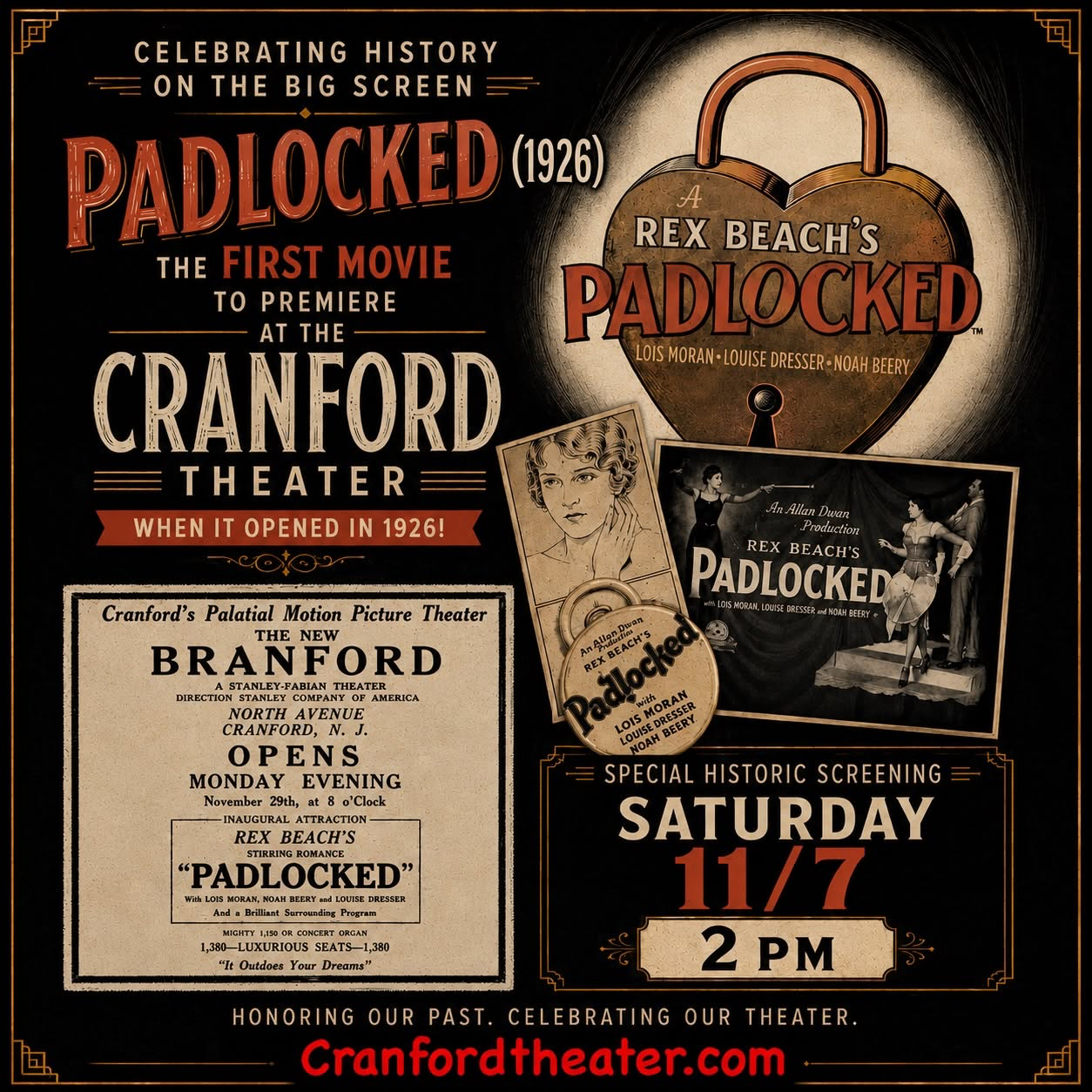
The centennial itself lands on November 29. To mark it, Doreen is bringing back Padlocked, the silent film that opened the theater in 1926, with an organist named Ben Model performing a live score on a portable instrument designed to sound like the theater's original Wurlitzer. That is the piece of the anniversary that looks backward. Everything else she is doing looks the other way. "We're about to celebrate the Cranford Theater's 100th anniversary, which naturally makes you look backward, but I find myself thinking much more about what the next 100 years look like. We're still showing first-run movies and protecting the traditional moviegoing experience, that will always be at the heart of what we do, but we're also becoming much more than that. Comedy, live performances, film festivals, independent filmmakers, international films, sensory-friendly screenings, community programs, fundraisers and special events are all becoming part of the identity of the Cranford."
The Cranford Theater is at 25 North Avenue West, Cranford, NJ. The 100th anniversary centennial screening of Padlocked, with live organ accompaniment by silent film accompanist Ben Model, is scheduled for November 2026, get tickets here
If she is right about what the theater is now, the next hundred years does not require the Cranford to become something it isn't. It requires the town, and everyone else, to catch up to what it already has. "I think five years from now, we'll look back at this period and realize this was when we stopped defining the theater simply by what was playing on the screen and started defining it by what was happening inside the building. My goal isn't to reinvent the Cranford Theater into something unrecognizable. It's actually the opposite. I want to preserve what people have loved about this theater for 100 years while giving them new reasons to keep walking through those doors. If we do that well, then our centennial won't just mark the end of our first century. It will mark the beginning of our second."
Stay up-to-date with exclusive events and content.


