F L A U N T


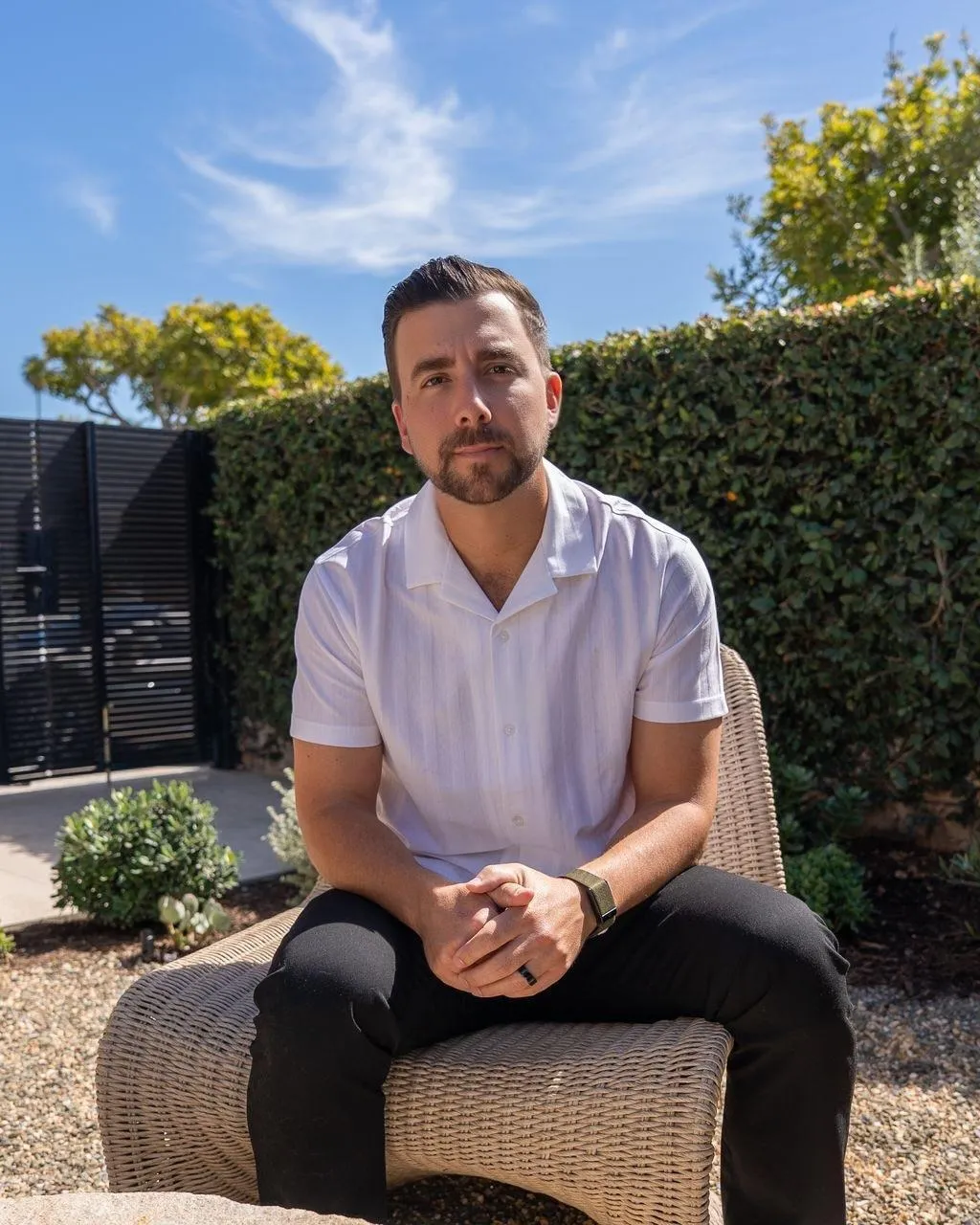
In a multi billion dollar dating industry dominated by swipe culture, RTHMS founder Jason Winkler believes the next generation of connection technology will be built on behavior, not profiles.
For more than a decade, the digital dating ecosystem has been defined by a familiar formula. Swipe right, swipe left, repeat. Profiles built on curated photos and carefully written bios have become the foundation of modern romance, while algorithms focus largely on proximity, self imputed interests, or simple user preferences. It is a system that has produced millions of matches and billions in revenue, yet many users say it has also produced fatigue.
Jason Winkler saw that fatigue as an opportunity.
The entrepreneur behind RTHMS has set out to challenge the foundation of the entire industry by asking a simple question: what if compatibility was measured by how people actually live their lives instead of how they present themselves online?
That question became the foundation for RTHMS, a platform Winkler describes as a behavioral compatibility system designed to connect people, products, places and experiences based on real world habits, rhythms, and lifestyle patterns rather than just surface level impressions.
The implications could reshape how people connect with one another, and how they discover the people, products, and experiences that fit their lives.
Winkler’s path to building a disruptive dating platform did not begin in Silicon Valley. His background spans marketing, entertainment, and consumer technology, industries where understanding human behavior and cultural trends often determines whether a product succeeds or fails.
Earlier in his career, Winkler worked as a concert promoter in Southern California, producing large scale live events and gaining firsthand experience in how communities form around shared energy and timing. Those experiences exposed him to something he would later build into the DNA of RTHMS: the concept that connection is often driven by rhythm.
“When I looked at the people I’m closest with, I realized we all move through life at a similar rhythm,” Winkler says. “Our routines, energy, and priorities just align. That insight became the foundation for what RTHMS is built around.”
Later, as an entrepreneur and brand strategist, Winkler worked closely with marketing teams and strategic partners to develop and scale consumer brands, launching products and helping them gain cultural traction. Through that process, he developed a deep understanding of how platforms grow and how user behavior shifts as adoption expands.
The idea for RTHMS emerged from a broader observation about modern connection. Winkler noticed that across social platforms, the way people present themselves online often differs dramatically from how they actually live day to day.
Photos can be curated. Bios can be polished. Interests can be aspirational.
Real habits, however, are much harder to fake.
RTHMS was designed around that principle.

Instead of relying primarily on photos and written descriptions, the platform focuses on behavioral signals. It analyzes patterns in lifestyle, routines, wellness habits, social preferences, and other everyday behaviors that reveal how a person moves through the world.
These signals are translated into what the platform calls Habit Tags and a RTHMS Score, dynamic indicators that help determine whether two people are naturally aligned in the way they live their lives.
In other words, RTHMS aims to match people who are already living in sync.
The philosophy behind the platform represents a shift away from the performative nature of modern dating and social media apps. Rather than asking users to create an idealized version of themselves, the system understands the authentic patterns that shape their daily lives.
For Winkler, that shift represents a more honest and effective way to build relationships in the digital age, helping people spend less time navigating mismatched connections and more time forming meaningful ones.
“Technology already understands the rhythms of our lives, how we sleep, move, travel, and spend our time. Yet when it comes to choosing the people, products, and experiences that shape our lives, we’re still relying on surface-level signals instead of true compatibility.”
By focusing on behavior rather than presentation, RTHMS aims to solve a broader problem than dating apps alone: the disconnect between how people appear online and how compatible they actually are in the real world, whether that’s in relationships, friendships, shared living, or the experiences people choose together.
The concept has begun attracting attention from investors, technologists, and cultural observers who see potential in a platform that attempts to move the industry beyond superficial engagement.
But Winkler’s ambitions extend far beyond dating.
While RTHMS launches as a relationship platform, its underlying technology is designed to map compatibility across multiple forms of human connection. The same behavioral patterns that influence romantic compatibility can also shape friendships, business partnerships, and social communities.
In that sense, RTHMS is less about dating and more about building an infrastructure for understanding how people naturally align.
That broader vision is part of what makes Winkler’s approach so disruptive.
The online dating industry has evolved rapidly over the past decade, but its core interaction model has remained remarkably consistent. Swipe based platforms dominate the market, and while each app introduces new features, the fundamental experience has changed very little.
Winkler believes the next phase of the industry will be defined not by better profiles or faster swiping, but by deeper compatibility insights driven by behavioral data.
If successful, RTHMS could introduce an entirely new category in consumer technology: a compatibility platform designed around how people actually live.
For now, Winkler remains focused on building a platform that challenges the assumptions of an industry worth billions while working to restore something many people feel has been lost in the digital age: genuine compatibility, whether between partners, friends, roommates, collaborators, or communities.
In a market saturated with apps promising better matches, RTHMS is offering something different. It is not asking people to present a perfect version of themselves. It is asking them to simply live their lives.
And according to Jason Winkler, that may be the most powerful compatibility signal of all.
Stay up-to-date with exclusive events and content.


