F L A U N T


03/18/2026
Drawing on a sports background, she built a training method that produces champions on today’s competition stages — and why the industry is now catching up with her vision
Classical pole dancing is reclaiming the spotlight in 2026. Exotic Generation Spain, Exotic Moon in Turin, Pole Art Italy in Asti, major international competitions now dedicate entire categories to Old School style, rewarding dancers who master foundational vocabulary rather than chase spectacle. Judges, organizers, and audiences are sending a clear message: technique, refinement, and classical stage presence matter more than ever.
An experimental wave dominated recent seasons, prioritizing form-breaking innovation over craft. Now it is giving way to renewed demand for artists who can merge artistic maturity with high physical skill. Put together, these qualities reveal the full depth of classical pole dancing and prove it can be both modern and relevant.
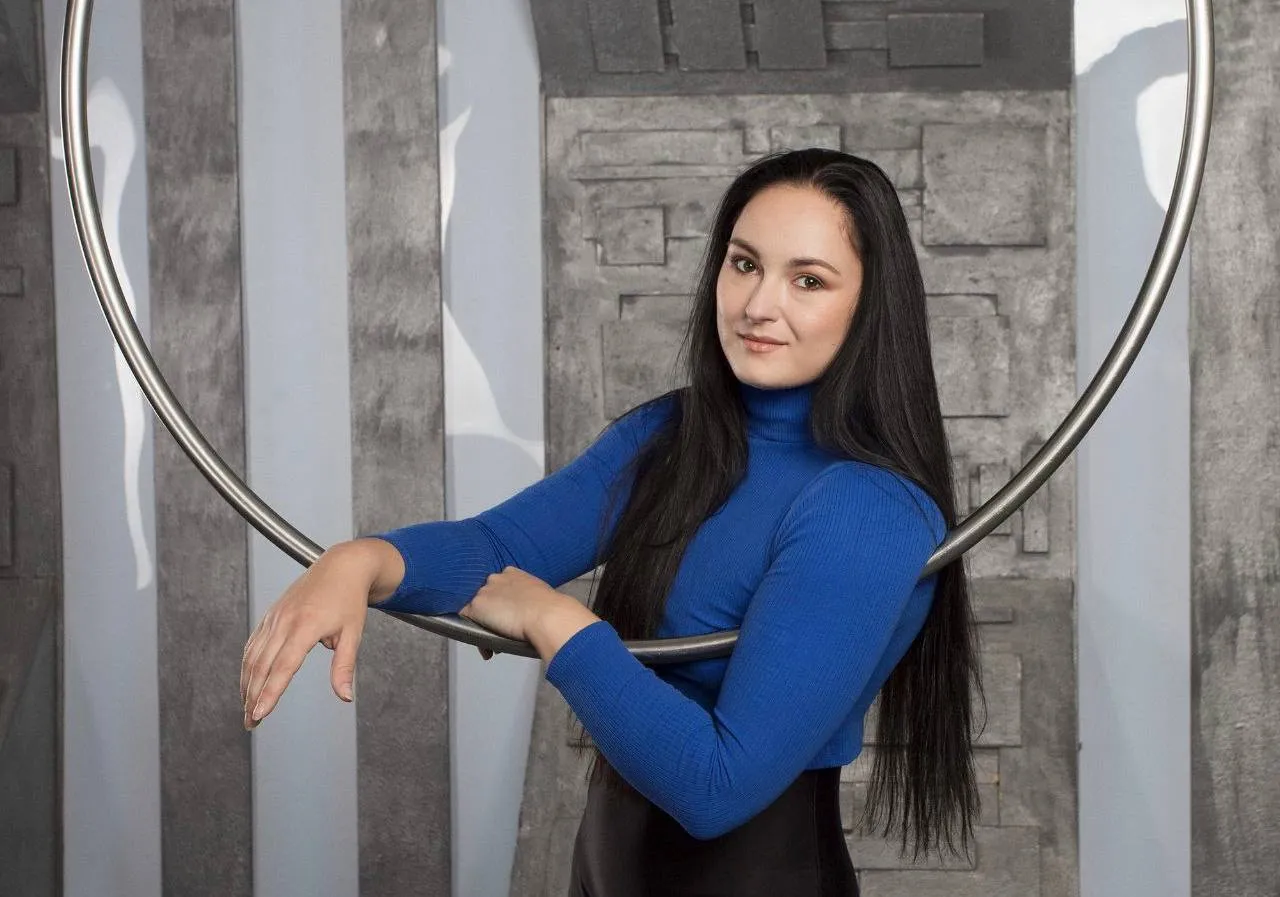
Many athletes are only now pivoting toward these standards. Ekaterina Hobotova has operated within the paradigm for years and built a system to teach it. A silver medalist at one of the most renowned international dance festivals Exotic Generation USA 2025 in the Old School Profi professional category and a coach with 15 years of experience, she developed an approach to classical pole instruction that consistently delivers results for herself and for her students.
What follows is a look at how Hobotova built a philosophy of pole dancing that resonates with amateurs and professionals alike, and why the classical style once again defines the visual language of pole performance.
Hobotova's path to dance began where many careers end — with an injury. She walked into a studio after losing the ability to compete in sports. Pole dancing was never a consolation prize. From day one, Ekaterina treated it as the foundation of a new career, turning dance from a hobby into a tool for professional expression.
"I quickly realized that simply repeating movements held no interest for me," she recalls. "I didn't just copy elements. I studied how they work: why the body reacts to certain pirouettes in a particular way, where I had potential for development, and where my weaknesses lay."
An athletic background sharpened that analytical instinct. Hobotova progressed quickly, expanded her range by adding aerial acrobatics, and forged a style that honored the strict canons of classical pole while adapting to modern stage demands. Peers noticed. Over the years, Hobotova earned titles at Catwalk Dance Fest, Korolevskiy Dance Battle, Soul Poledance Championship, and multiple Exotic Generation events. Each victory strengthened the foundation of expertise she would later bring to coaching.
From oversight to a scalable methodology
Despite years of competitive success, Hobotova admits her early coaching career ran on trial and error. She routinely accepted students that other coaches turned away — people with scoliosis, elderly dancers, and beginners who seemed unreachable.
"In the early stages, personal experience saved us," she says. "Then we added coursework in sports rehabilitation. That changed everything; it gave us tools to help students who had never imagined real progress was possible."
Results went beyond technique. Students who arrived with chronic pain or limited mobility reported improved posture, reduced discomfort, and a renewed sense of confidence. For many, the studio became a space for physical rehabilitation and psychological recovery as much as for dance training. One woman with advanced scoliosis, initially unable to hold basic positions, progressed to performing full routines within a year. Others described regaining a feeling of control over their own bodies — something they hadn't experienced in years.
Years of work at the intersection of professional experience and serious biomechanics research led Hobotova to develop a universal foundational course in classical pole dancing. More than 2,000 people have completed it. Most arrived on the recommendation of friends satisfied with their own results.
Her approach has since spread well beyond one studio. Former students have become instructors, carrying forward a philosophy that treats dance not simply as physical discipline but as a way to reclaim control over one's body through a complex system of visual language. Rigorous attention to technique keeps the methodology relevant across skill levels.
Hobotova is convinced the return to classical roots is not nostalgia but a natural evolution. Modern schools chase eye-catching elements. Classical training builds core techniques essential for steady, lasting progress.
The future of the discipline and the evolution of the genre
"Pole dancing is a rigorous discipline with a set of clear, almost unbreakable rules," Hobotova emphasizes. "Without them, even the most beautiful elements become a collection of empty, constrained movements. Freedom in dance is, paradoxically, total control over one's body and technique."
Professionals clearly share that conviction. When Guinness Book of Records nominees needed to perform dance stunts on a ring suspended from a hot-air balloon, they turned to Hobotova. Absolute focus, flawless technique under extreme conditions — precisely what her training system is designed to produce.
That same trust earned her an invitation to the Exotic Generation finals in Italy in 2026. Hobotova sees it not as personal validation but as a reflection of something larger, a discipline searching for its own authentic voice rather than simply trying to shock the audience.
Stay up-to-date with exclusive events and content.


