F L A U N T


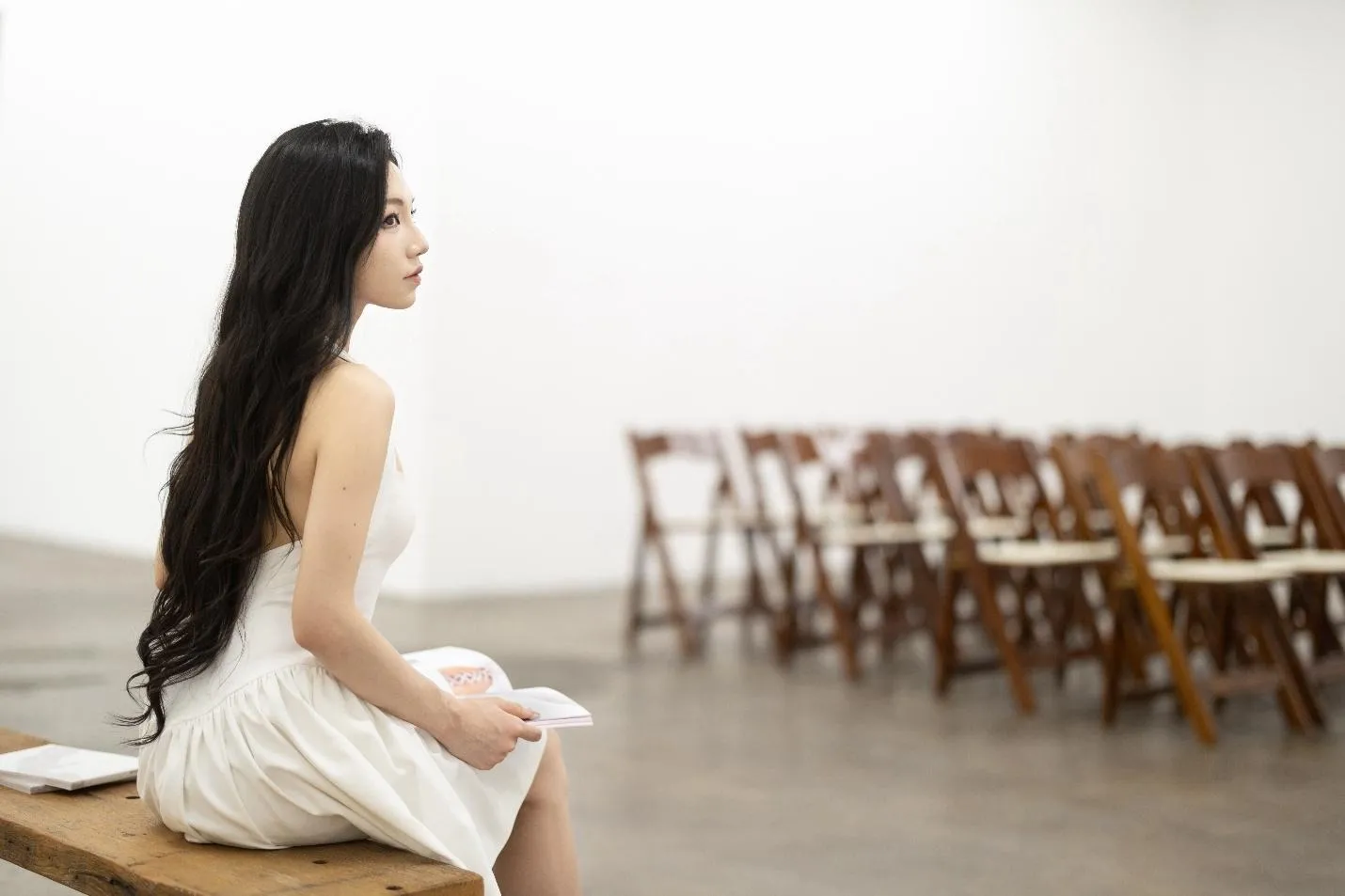
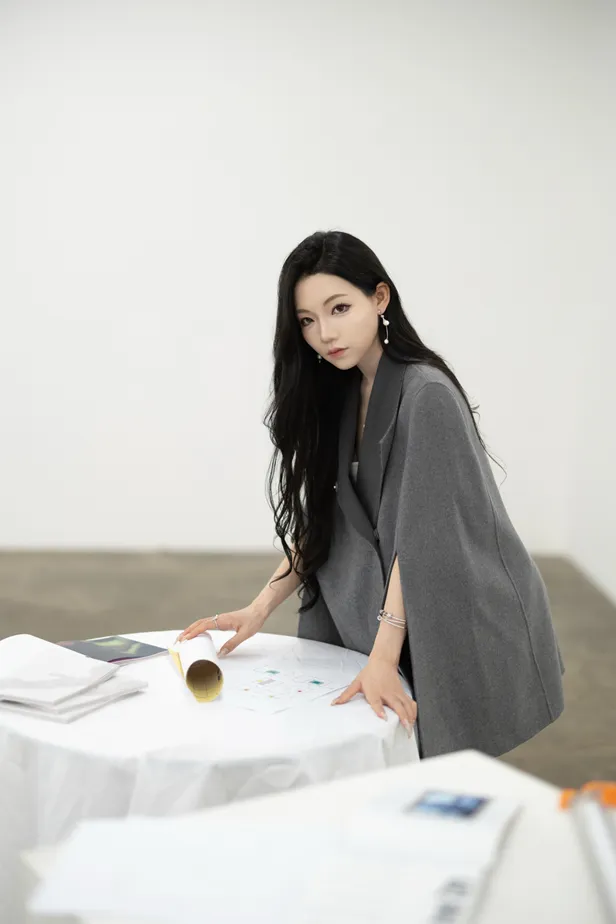
Chenyang Nie is a curator who also operates as an intellectual architect. Her work is built on combining strong academic knowledge, methods from different fields, and dedication to the artist's perspective. In a contemporary art world often fragmented along lines of specialization, Nie stands out by creating a clear, organized system that brings together research, diverse artistic approaches, and the physical space where the art is shown. Her work reframes the exhibition as a research platform where abstract concepts are transformed into experiences that are real, easy to understand, and deeply connected to the audience.
Nie believes that theory should serve as a strong foundation, providing structural rather than merely intellectual ornamentation. The framework of academic ideas is not shown as final answers. Still, it is woven into the way the space is arranged and embedded into the exhibition’s rhythm, spatial logic, and conceptual sequencing. This way, innovative thinking and easy understanding can go hand in hand, so the exhibits stay connected to real-life experiences rather than being locked behind complex language. For Nie, successful curating is not about demonstrating theoretical fluency but about creating conditions in which ideas can be encountered intuitively and meaningfully. Her research always starts with the artist. Through extended conversations, studio visits, and close engagement with materials and personal histories, Nie identifies recurring questions, emotional threads, and methodological patterns within an artist’s practice. Only after she understands these elements does she bring in theories, historical background, or academic writings. This reverse research model ensures that theory serves the work, not the other way around; it leads to interpretations that stay true to the artist's practice while still making sense in bigger academic discussions.
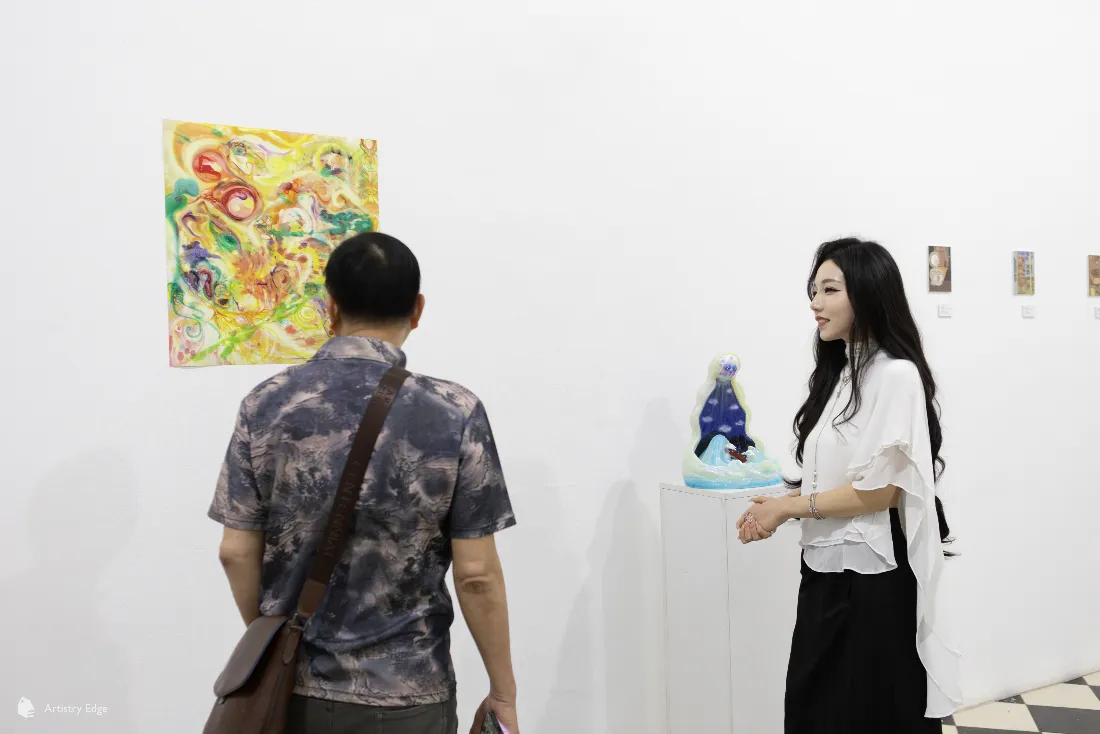
This approach is evident in exhibitions such as Her Nonverbal Notes, where Nie drew upon theoretical discussions of nonverbal communication, silence, and embodied emotional knowledge, especially how these relate to the real lives of women. Instead of emphasizing these notions through text in an exhibition, she interpreted them through carefully structured pacing and silences that allowed the visitor to understand theory through how they felt and sensed, not just through thinking. A similar strategy shaped The Alchemy of Perception, which explored how perception transforms into artistic creation. Drawing from theories of perception and cognitive generation, Nie employed “alchemy” as a conceptual metaphor, reframing viewing as an active process of transformation. Artists were seen as alchemists, and viewers became part of the process of creating meaning. Through spatial sequencing and perceptual progression, Nie made complex ideas easier to understand and feel. This supported her idea that art exhibitions can function as thinking systems in their own right. Cross-disciplinary connectivity is another central pillar of Nie’s practice. Rather than organizing exhibitions by medium, she focuses on shared conceptual concerns concerning memory, temporality, perception, and identity that transcend material boundaries. The interdisciplinary approach of her practice came into play in her show "Tapestry of Time," which included sculptural works, paintings, stop-motion animation, architectural designs, ceramics, and poetry by artists from diverse cultural and academic backgrounds. There was a risk that the different styles and ideas might not fit together well. To solve this, Nie viewed time not as a straight line but as layered, repeating, and experienced in different ways. She used a non-linear layout, visual connections between the works, different heights for displaying the art, and smooth, natural transitions between pieces. This helped turn the variety into a transparent and connected story. The exhibition demonstrated her ability to build structured dialogue without enforcing uniformity.
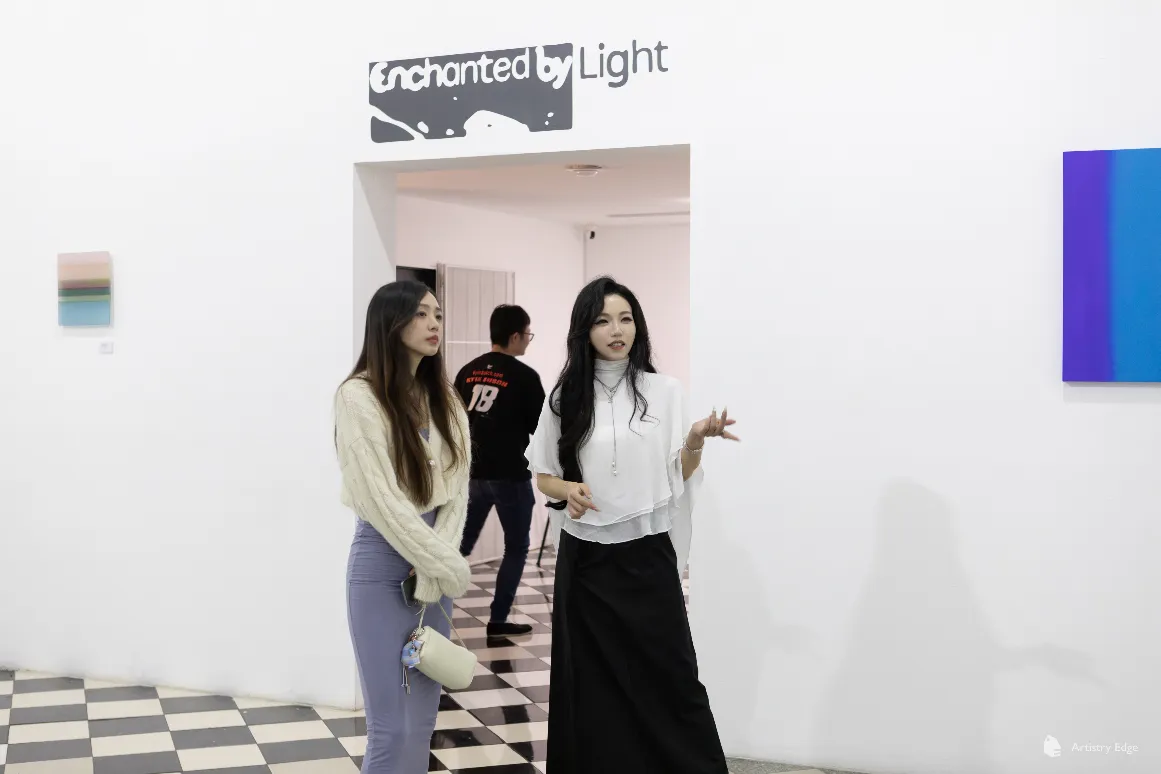
Nie’s long-term collaborations with Artistry Edge artists play a crucial role in refining her theoretical frameworks. The artists' real-life experiences and their input often challenge her initial thoughts, making her exhibition organization more adaptable and realistic. The dialogic nature of her approach prevents theoretical frameworks from becoming rigid or static. Her experience with academic organizations such as USC, CalArts, ArtCenter, and SCI-Arc further solidifies her already research-driven approach. Her ability to coordinate programs across the various organizations is key, as Nie understands the need for clarity within them and balances this with her vision for the exhibitions.
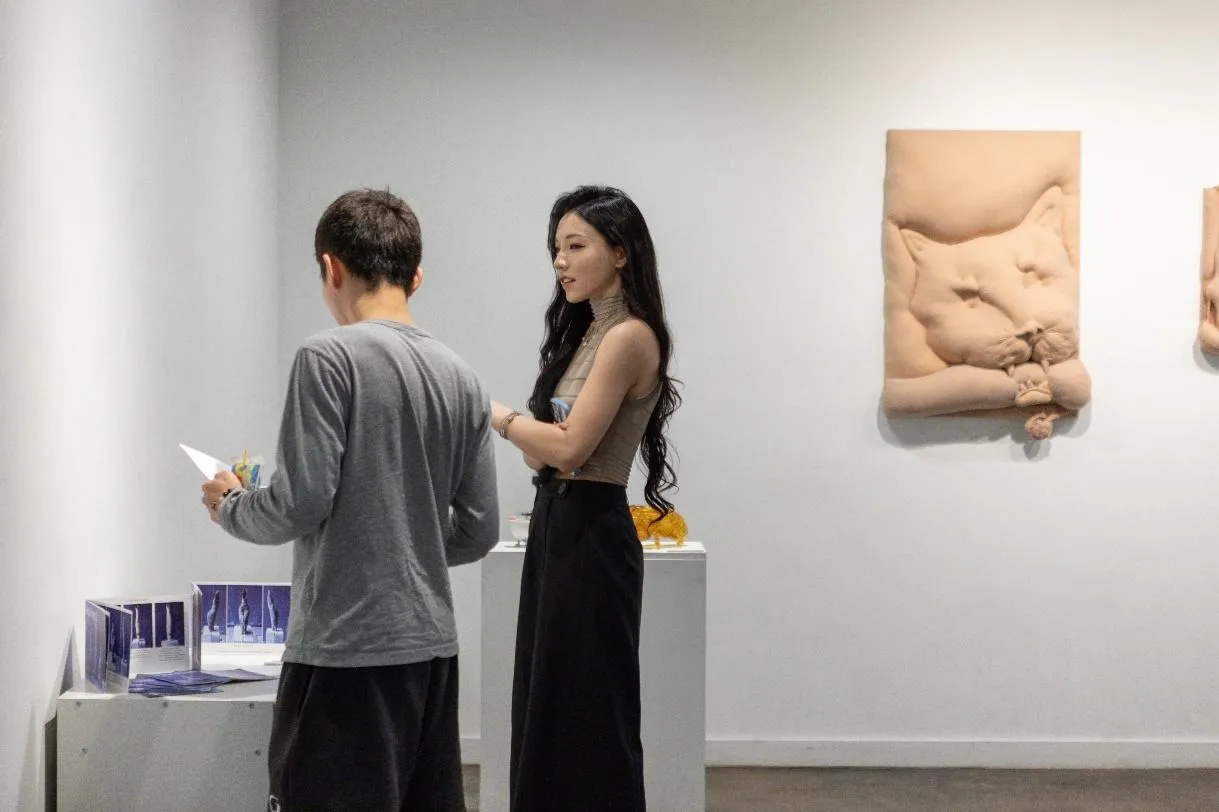
Nie doesn't judge the success of her exhibitions just by how many people see them. Instead, she looks at how deeply people connect with them. If a show continues to provoke discussion, inform future work, or shape how artists articulate their practice beyond its duration, it has achieved its purpose.
Looking forward, her curatorial methodology remains adaptive, ready to engage with emerging technologies, shifting academic discourse, and global cultural change while maintaining its core commitment to rigor, dialogue, and lived experience.
Stay up-to-date with exclusive events and content.


