F L A U N T


Great filmmaking attends to both what is seen and what is felt in the unseen. Bang “Jovial” Xiao has dedicated her career to mastering this balance. For Jovial, sound is not a secondary layer but a primary narrative language—a tool for cultural translation, emotional navigation, and collective creation. In her role as a sound supervisor, she functions as a crucial bridge: between the director’s vision and the audience’s subconscious, between disparate cultural contexts in global storytelling, and, fundamentally, between the individual artists who come together to give a film its unique voice. Her work asserts that to fully realize the power of cinema, one must first listen with profound intent.

The Conductor of Creative Consensus
Jovial's professional philosophy centers on collective creation and collaborative leadership. She deliberately dismantles the solitary technician model, stating, "I never work alone," and consciously curates teams on every project, positioning herself as "a participant within a creative circle." This strategic approach allows her to gather multiple auditory perspectives for each scene, creating a dynamic forum where "novel ideas and opinions" collide—transforming the editing suite into a laboratory for shared discovery where dialogue helps artists "see the film anew." This same collaborative ethos defines her leadership, where she excels as a mediator who operates through synthesis rather than authority. When creative friction arises—perhaps a designer’s bold sonic metaphor clashes with a director’s more literal vision—her approach is not to dictate but to synthesize. "There is no single, absolute ‘right’ answer in filmmaking," she reflects. "My responsibility is to guide the conversation back to the story’s emotional core. We work to find a third path that honors the director’s intent while preserving the creative integrity and potential in the designer’s idea. The goal is always elevation, not compromise." This principle guides all aspects of her team stewardship, from mentoring junior editors to balancing workloads, grounded in her conviction that psychological safety and clear communication are foundational to artistic excellence.
This collaborative leadership is, for her, the essence of filmmaking itself. “Filmmaking is the ultimate collaborative art. The richness, the surprise, the depth—it all emerges from the alchemy of people creating together,” she says. She views her current deep focus on sound as foundational training for her broader ambitions. “The essential skills I’m honing now—how to guide a team, navigate creative tensions, and foster an environment where every voice feels heard and valued—are precisely what will allow me to build meaningful and resonant work in the future, whether I’m producing, directing, or leading a sound department.”

The Cultural Interpreter: Sound as a Bridge of Understanding
Parallel to her internal role as a team synthesist is Jovial’s external role as a cultural interpreter. Operating within a global cinematic landscape, she leverages her unique perspective as a Chinese-born artist working primarily in the U.S. to deepen stories rooted in vastly different soils—from narratives of Black American history to films exploring Jewish traditions or Hong Kong’s social fabric. She begins projects not with technical specifications, but with probing, empathetic dialogue aimed at uncovering the unspoken emotional and social subtext of a world. “My position as an outsider-turned-insider in these narratives necessitates a deeper inquiry. I must ask the fundamental questions to understand the ‘why’ behind a character’s silence, the cultural weight of a specific ambient sound, or the collective memory a certain sound effect might evoke,” she explains. Her sound design thus becomes a sensitive act of translation. It moves beyond mimicry to craft soundscapes that resonate with authentic feeling and sociological truth, building auditory bridges that allow a global audience to feel their way into unfamiliar experiences.
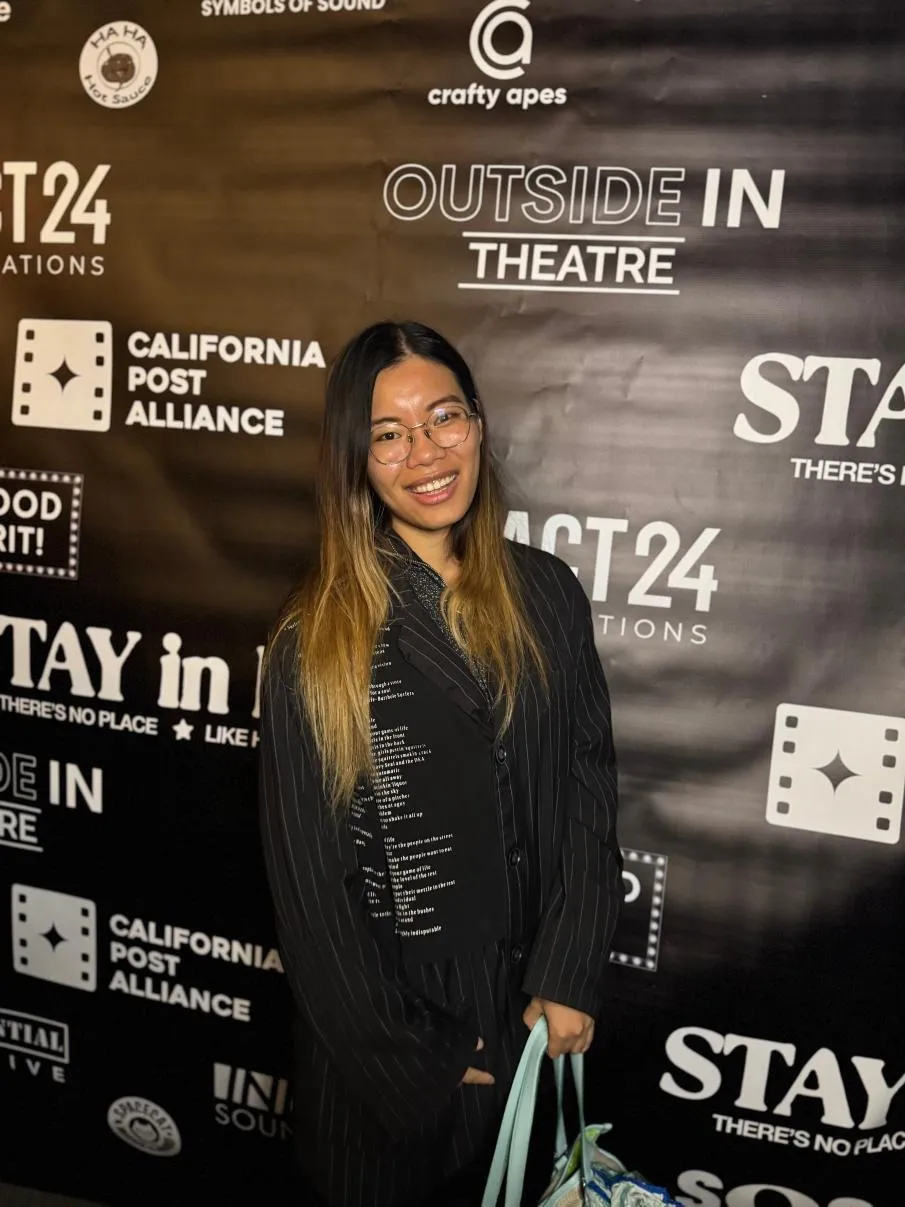
Shaping Experience: The Impact of Sound on Content
Beyond translation and collaboration, Jovial views sound as an active, shaping force in content creation itself. She operates on the principle that since we spend most of our time in a state of unconscious listening, the craft of sound is, in essence, the craft of subtly guiding perception. Her philosophy translates into a tangible impact on the final work, where her technical skill serves a singular artistic purpose: to deepen the audience’s connection to the story. In projects like the award-winning short When the Wind Blows on the Balcony, she used meticulous sound design not merely to establish atmosphere, but to viscerally evoke emotional subtext—such as layering the distant babble of an infant to accentuate the protagonist's profound solitudes. The film’s director, Thomas Wang, described Jovial’s creative sound design for the baby as “a surprising addition that made the entire scene more convincing.” The film has been recognized with multiple festival honors, including the Best Short Film Award at the Silverlens Film Awards and selection by the Academy Award-qualifying LA Shorts International Film Festival. Similarly, in the vertical drama This Time I Choose Mr. Mafia, her strategic sound design and mixing were instrumental in elevating the emotional stakes of intimate scenes and heightening the tension of dramatic scenes, directly contributing to the narrative's resonance and success—achieving over 5.9 million views. This approach underscores her core belief: that impactful sound serves the story and its characters first, using immersion, emotional guidance, and cultural authenticity not as technical ends, but as means to forge a more profound, human connection with the viewer.
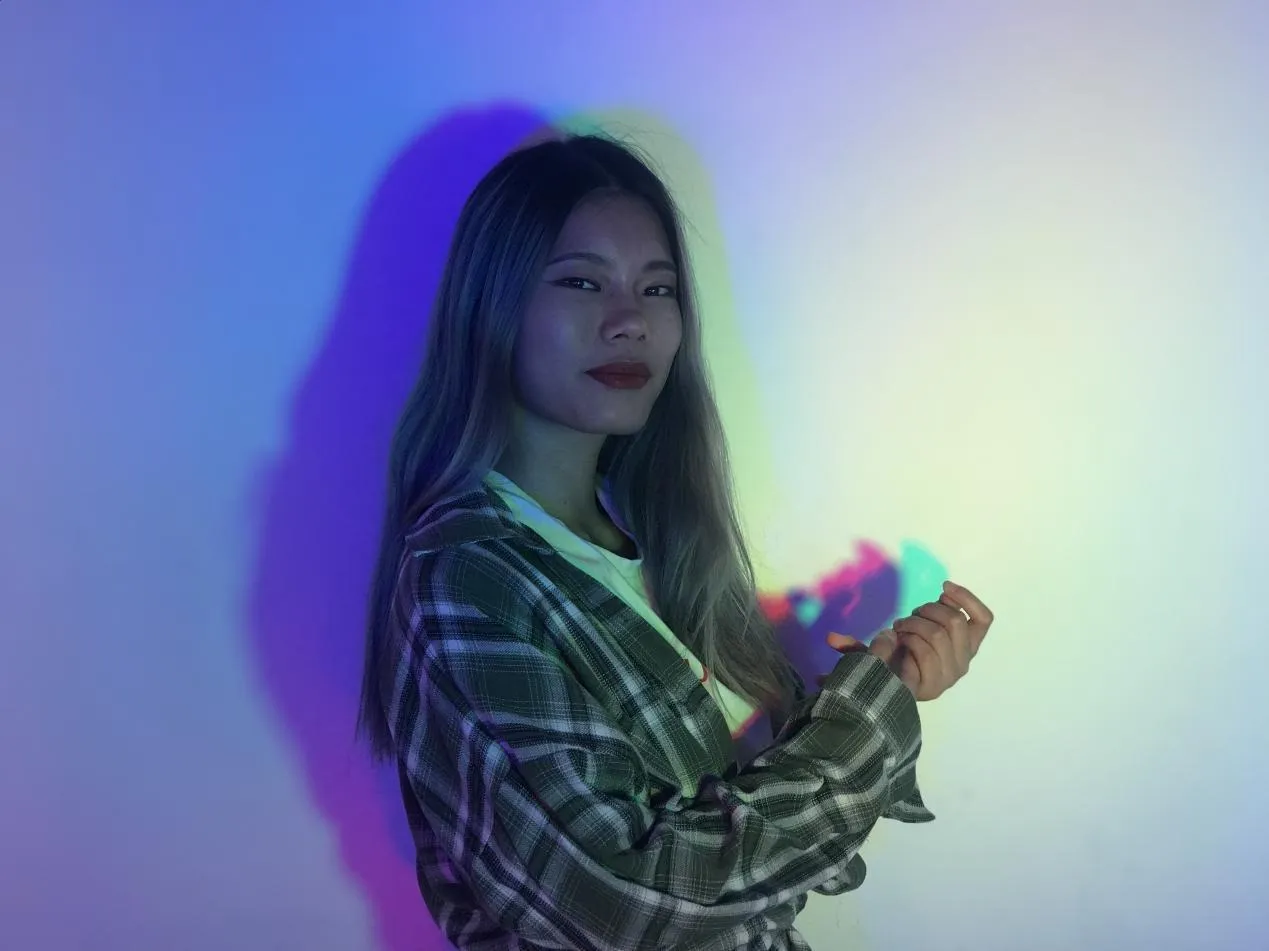
Pioneering a Responsible Future
Jovial applies her principles with foresight to short-form vertical drama. While advocating for the genre's potential, she critiques its reliance on gratuitous violence and triggering tropes. "Film is a culture, created by people and, in turn, nurturing people," she states. "When I see short-form content that relies on gratuitous violence or triggering tropes, I feel deeply concerned. We're shaping perceptions, especially for new generations." This conviction fuels her dual mission within the space: to champion narratives with social awareness and to explore the medium's positive utility. Her perspective is shaped by personal experience. During her recovery from a Traumatic Brain Injury (TBI), she found traditional feature films overwhelming—both auditorily and cognitively. It was the concise format of early microdramas that provided accessible narrative engagement, sparking her dedication to the form. This insight now drives a practical mission: to create socially conscious content while exploring the format's therapeutic utility. After sharing her experience in a TBI support group, she began working with the group’s speech therapist to explore how microdramas might function as an accessible, low-cognitive-load storytelling format. As part of this effort, she provided the therapist with a list of recommended microdramas—all titles she had previously worked on professionally—including From Royalty to CEO's Christmas Princess, The Final Goodbye to the Closest Kin as examples of gentler, more accessible viewing options. For Jovial, this work transforms short-form video from mere entertainment into a medium for genuine connection and healing.
In essence, Bang “Jovial” Xiao embodies a modern paradigm for creative leadership. She demonstrates that the future of impactful storytelling lies in more attentive collaboration and a deeper ethical commitment—a process that begins with listening to the human heartbeat within every story. By masterfully harmonizing the seen with the unseen, the individual with the collective, and the specific with the universal, she proves that the most enduring and powerful resonance in cinema is always, and necessarily, a chorus.
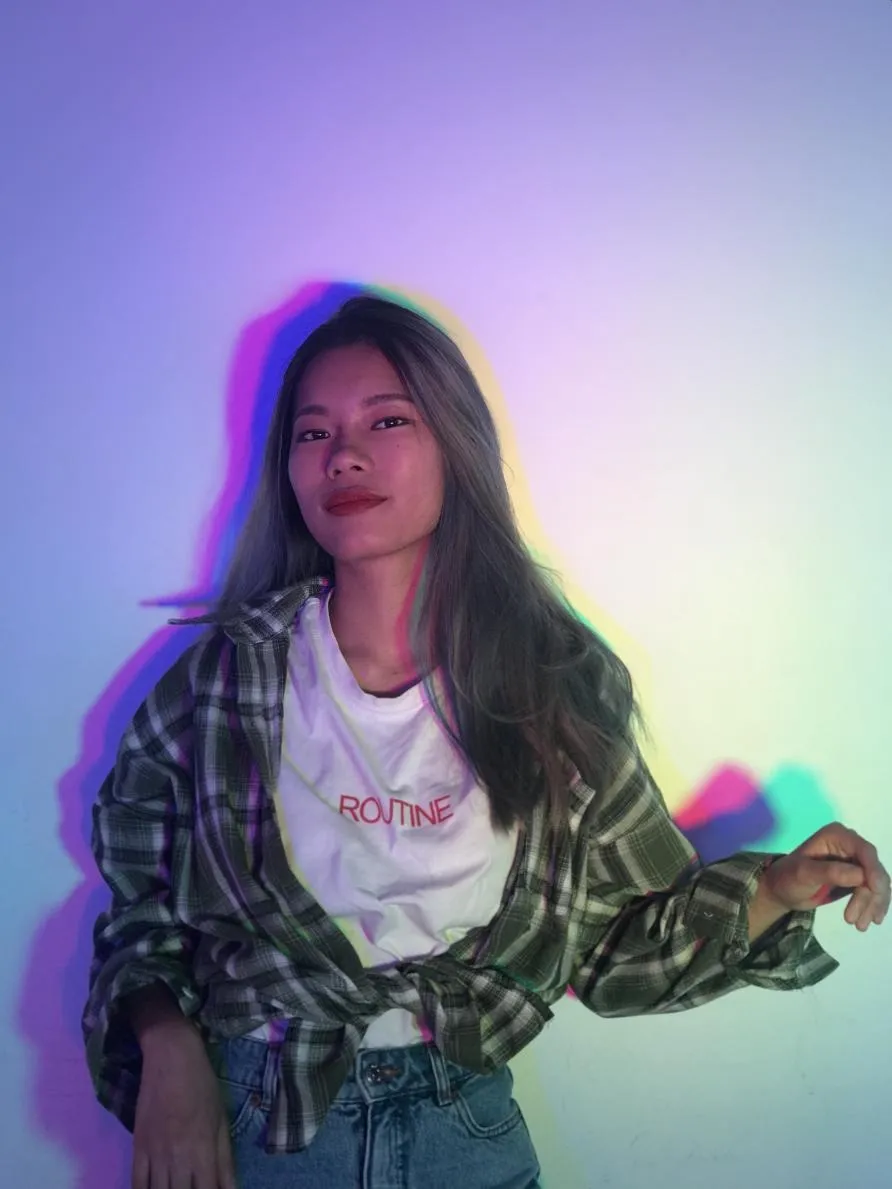
Stay up-to-date with exclusive events and content.


