F L A U N T


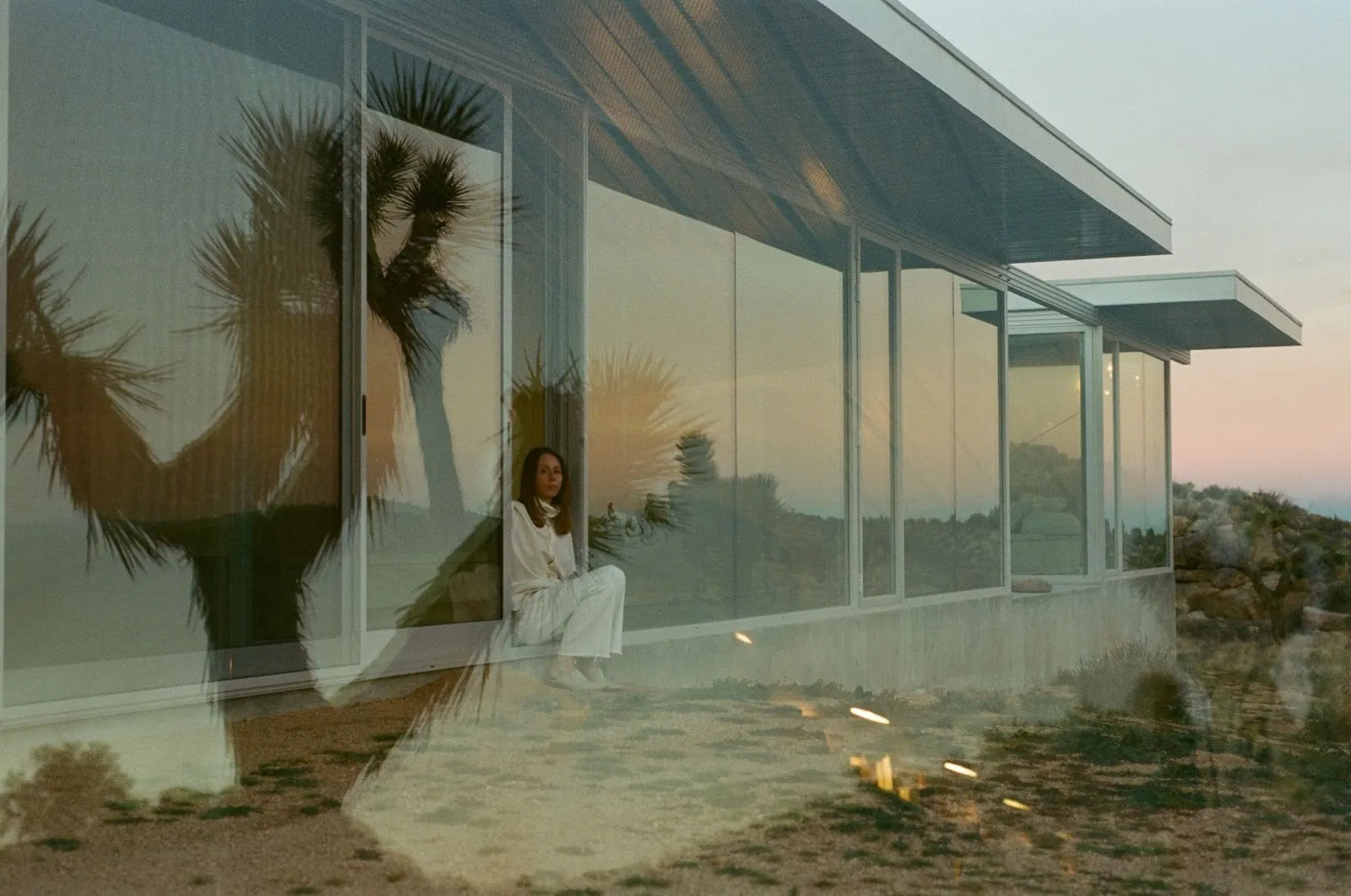
Meg pays close attention to the moments most people pass through.
She notices how light can shape perception, how a room is felt before it is understood, and how space quietly shapes connection. Her multidisciplinary practice spans architecture, design, writing, and freeform dance. Her work has been widely recognized across architectural and cultural platforms, reflecting a practice that moves fluidly between disciplines while maintaining a distinct point of view.
Her attunement was developed over time, shaped by experience and transition. She understands how momentum can become held in bodies, relationships, and built environments. Her work is less interested in resolution than in restoring movement.
“Expression for me is like opening the cabin door after a long flight; fresh air moves through the space clearing the stale air.”
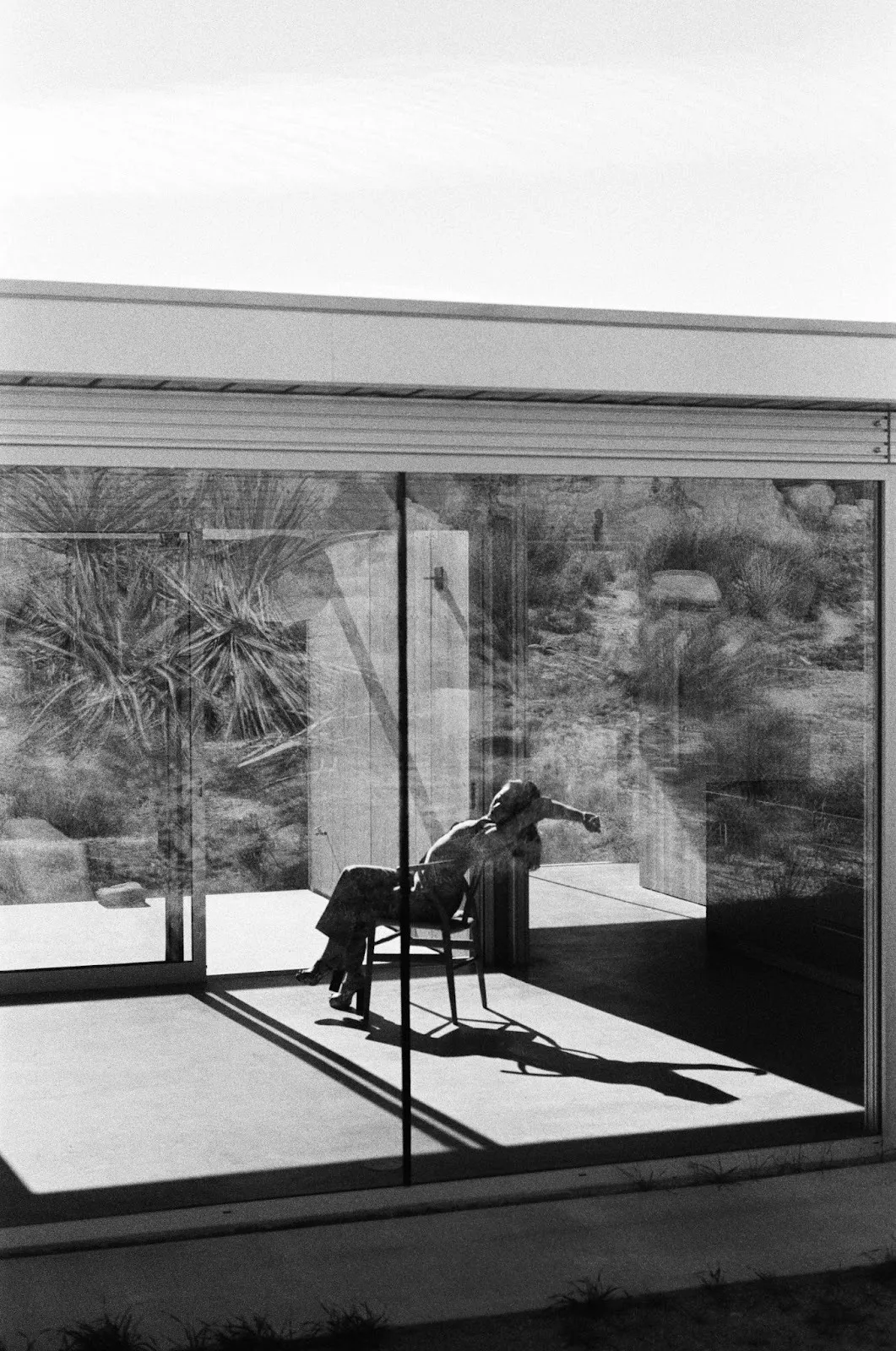
In a culture built around immediacy and amplification, she has grown skeptical of spaces designed to command attention.
“Life has taught me that big spectacle experiences are a dopamine trap - empty calories that offer no real nourishment.”
What interests her instead are environments that gather meaning slowly—resisting the narrowing effects of speed, noise, and productivity culture.
Architecture becomes one way of practicing this resistance.
Life, as Meg understands it, is defined by movement—attachment and loss, becoming and letting go. Architecture operates differently. A building remains. A photograph holds. In this contrast, architecture becomes a pause: a way of holding presence long enough for meaning to surface.
Meg is drawn to the tension between what passes and what stays, between lived experience and the structures that frame it. Her work creates space for what is unresolved to remain present and active.
“My work plays in this tension rather than trying to resolve it.”
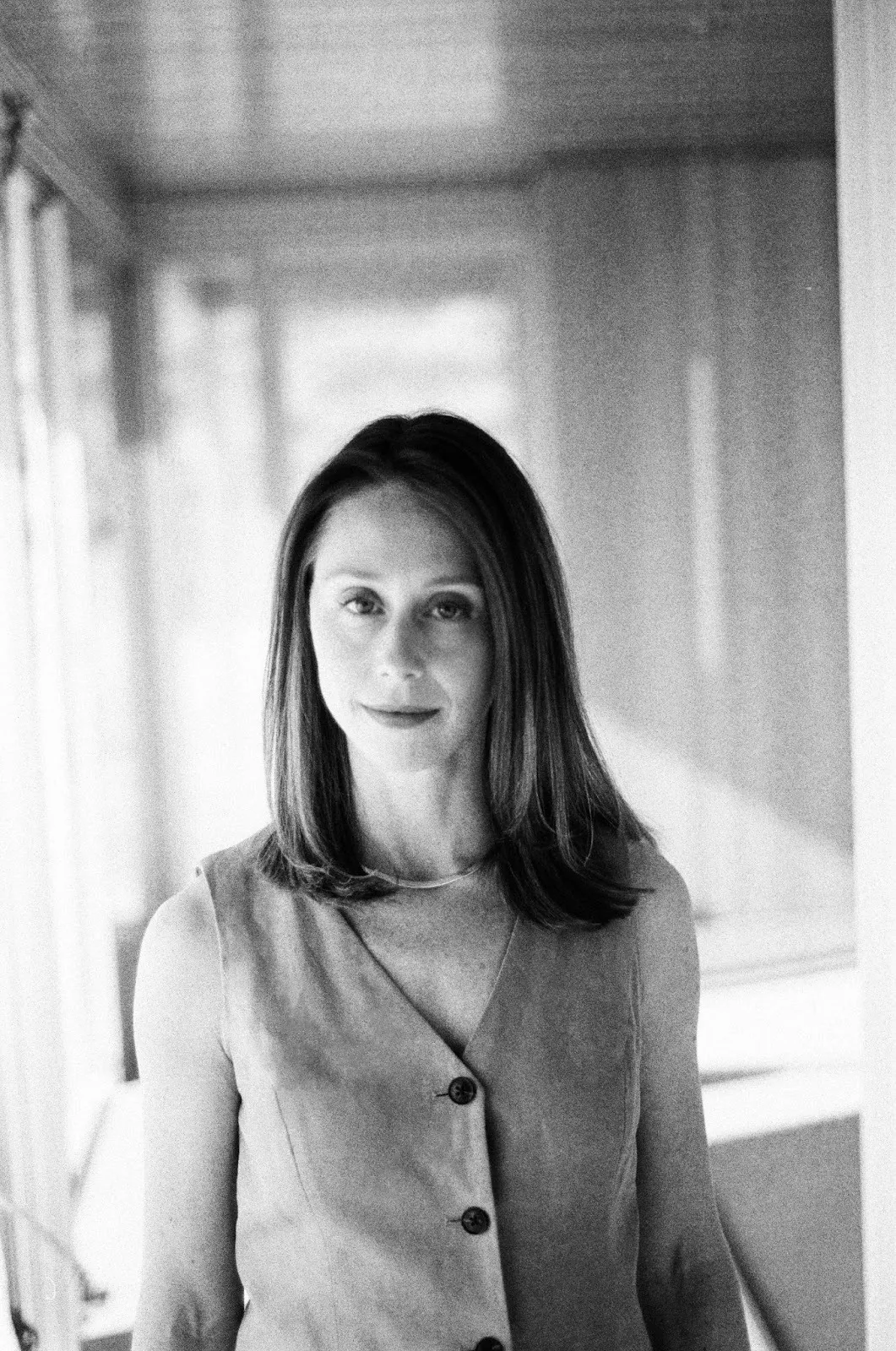
She often returns to a passage from Raymond Queneau’s Witch Grass:
“But it just happens, every so often, that something very ordinary seems beautiful to me and I’d like it to be eternal. I’d like this bistro, and that dusty light bulb, and that dog dreaming on the marble, and even this night, to be eternal. And their essential quality is precisely that they aren’t.”
Architecture, in her hands, becomes a way of honoring impermanence. A pause that allows meaning to surface without denying change.
Meg’s work is grounded in perception rather than predetermined narrative. Meaning emerges through atmosphere, rhythm, texture, and proportion. She is acutely aware of how easily something vital can flatten when over-explained. Not everything wants to be made legible.
“Architecture often favors definition. But uncertainty holds its own power—it’s where innovation begins. The art lies in knowing when each is needed.”
“Space is felt before it is understood. You can feel when a building is lifeless. You can also feel when a space invites curiosity, softness, and play.”
Through light, proportion, texture, and climate, architecture registers in the body long before it becomes conscious thought. For Meg, architecture is attention made physical.
Her spaces do not impose meaning. They create conditions for life to unfold. What matters is not what a building declares, but what it allows. How people gather. How they rest. How they move through intimacy, solitude, grief, or joy.
That philosophy took on urgent, real-world consequence following the Los Angeles wildfires, which destroyed or damaged more than 16,000 homes and forced entire communities to confront a fundamental tension: how to create a home that can hold life without denying change.
“Architecture often favors definition. But uncertainty holds its own power—it’s where innovation begins. The art lies in knowing when each is needed.”
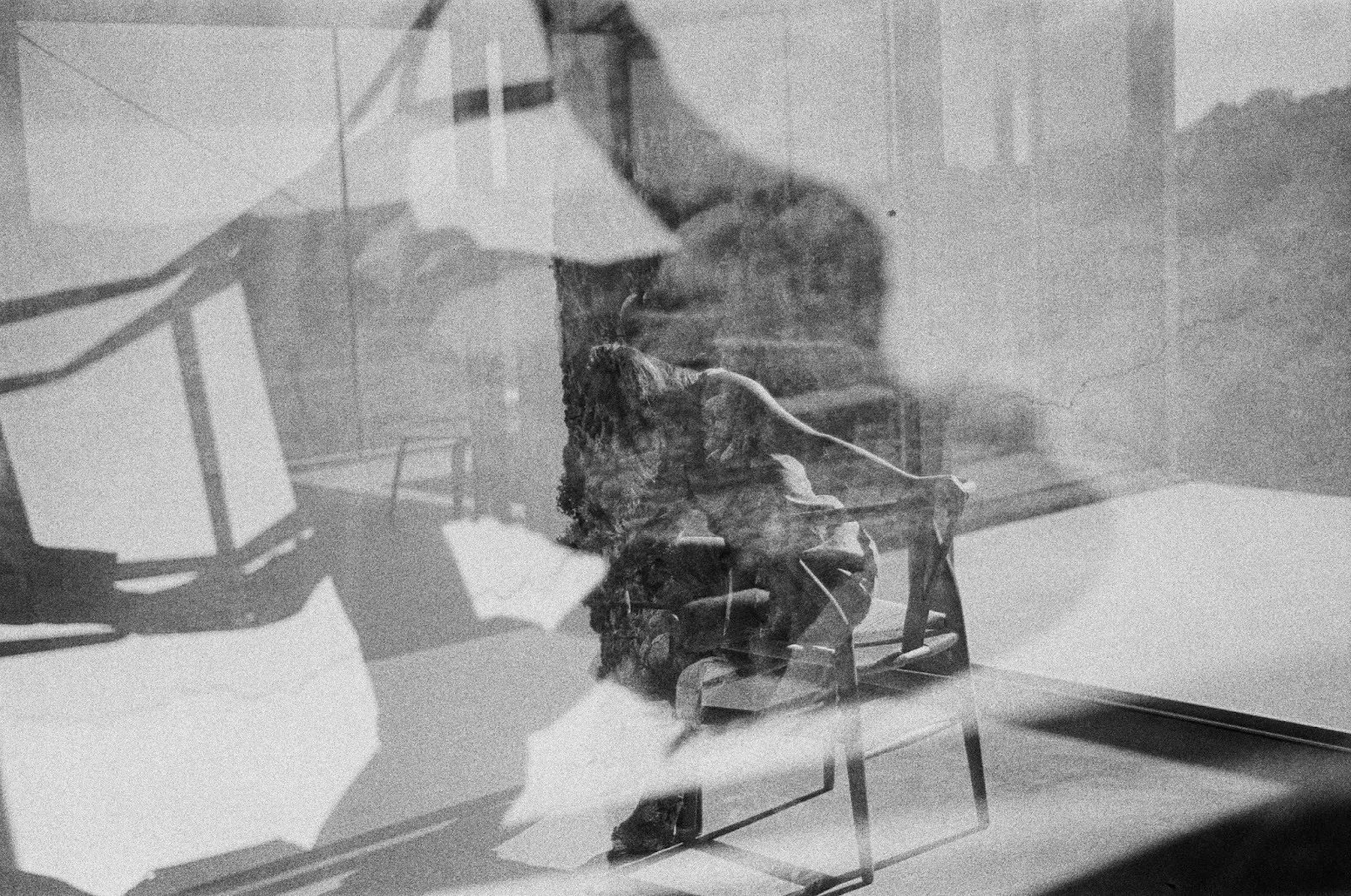
Working at the intersection of prefabrication, fire-resilient systems, and innovative material strategies, Meg developed a scalable model for post-disaster housing, positioning design as a tool for coordinating rebuilding across multiple households. The designs were pre-approved by Los Angeles County, allowing groups of families to move through the rebuilding process together. In an Altadena neighborhood, four families committed to a shared design and aligned their permitting and construction schedules, reducing costs, compressing timelines, and remaining connected throughout the process. The project reflects a broader shift in her work toward developing frameworks that operate beyond individual buildings, addressing systemic challenges through design.
In post-disaster contexts, urgency frequently collapses rebuilding into replication, where survival demands leave little room to rethink how we rebuild. This project established a different structure. By organizing families to rebuild collectively, the work countered the fragmentation that often follows catastrophic loss while delivering durable, fire-resilient housing. The designs do not deny the magnitude of the loss. Instead, they work with the cycles of nature, allowing new expressions of life to emerge.
In a moment defined by climate instability, housing pressure, and cultural fatigue with spectacle-driven design, her work proposes a quieter but more resilient approach to how we build and live.
Meg’s sensitivity to space is closely tied to her awareness of inner experience. Experiences of grief and transition have deepened her capacity to perceive what others overlook. Rather than turning away from difficulty, she has learned to remain present within it, developing a discipline of attention that directly informs her work.
“I recognize that my work can only hold as much as I’ve learned to hold within myself.”
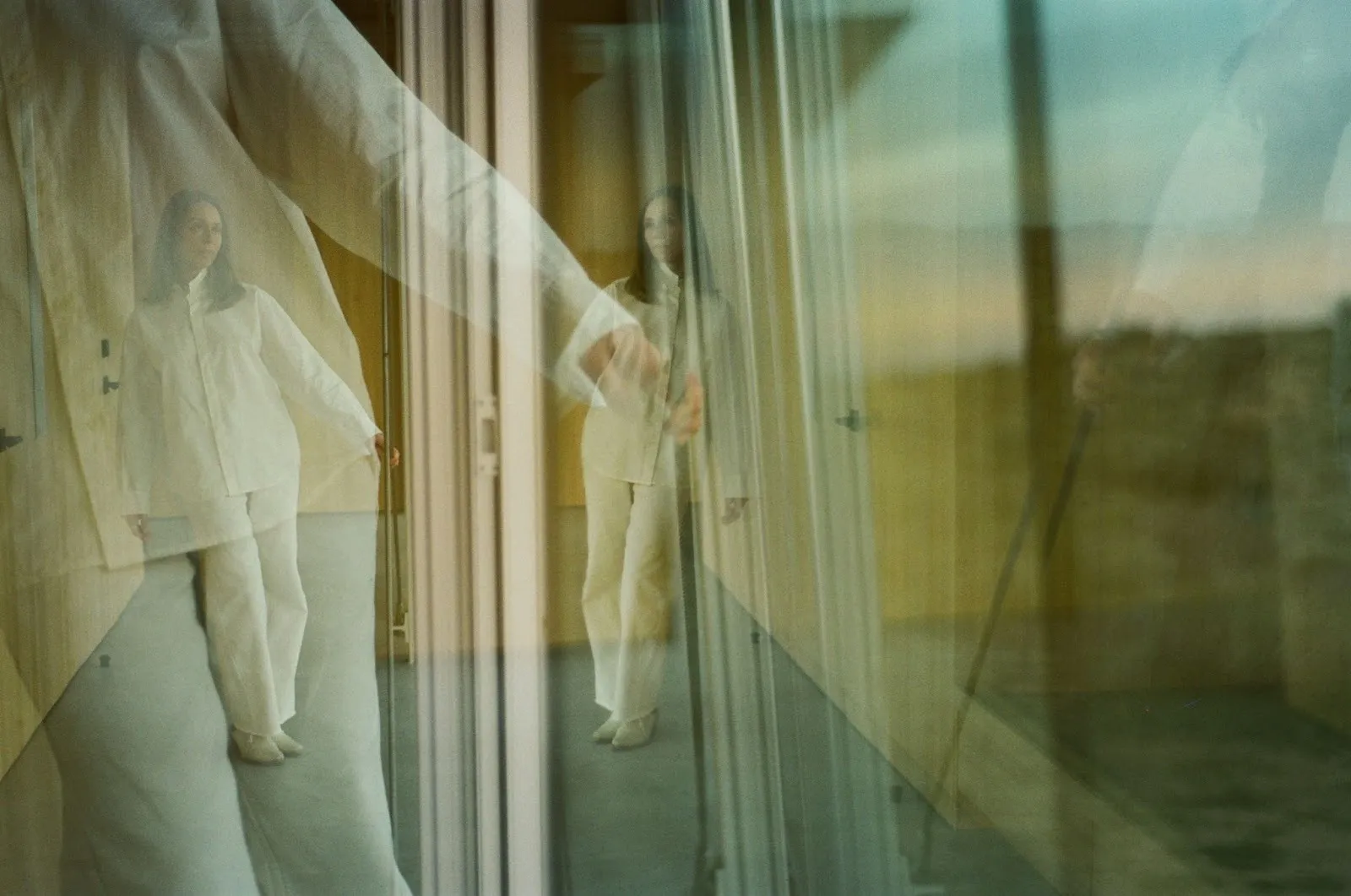
Her work has led to invitations to serve as a critic and reviewer within leading architecture and design programs, as well as participation in exhibitions across institutional and juried contexts.
Rather than avoiding emotional tone, she treats it as information.
“We don’t turn to art and storytelling to learn something new. We turn to them, especially in the hard moments, to remember who we are.”
In moments of crisis, Meg observes, information alone is not enough.
“When we are going through our most difficult times, we don’t look for facts. We look for poetry, because it allows us to stay in the mystery.”
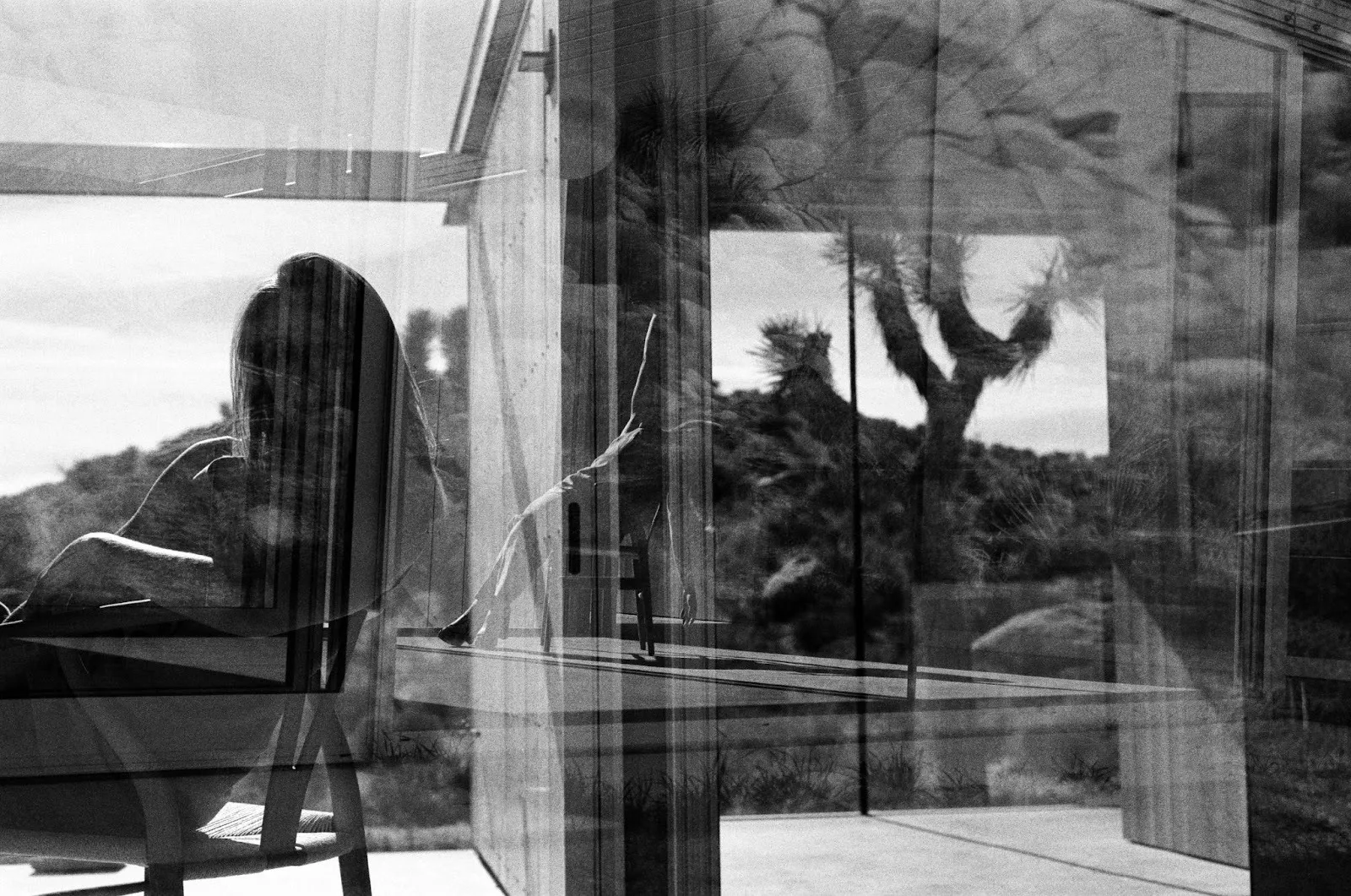
Art, in this sense, is not instruction but orientation. A way of remaining present when certainty fails.
This philosophy directly informs how Meg designs. She is less interested in what buildings add than in what they allow to remain. In a world saturated with noise, restraint becomes a radical act. Simplicity, for her, is not minimalism as style. It is generosity. Space offered rather than filled.
Small actions, repeated with intention, become meaning. Buildings are not static objects but ongoing relationships, shaped through collaboration and held through the long arc of design, construction, and use.
“No one does this work alone.”
Across her art and architectural projects, Meg translates invisible forces into a visual language, making them perceptible in space.
Her practice operates at the intersection of architecture, material systems, and human experience, contributing to evolving conversations around how we design for resilience, perception, and collective life. At its core, her work asks a fundamental question: how can architecture support life without trying to control it?
In a culture that rewards speed, certainty, and spectacle, her work proposes an alternative model of practice—one grounded in attention, care, and the discipline to stay with what does not resolve easily. In a loud world, restraint itself becomes a radical act. What remains, matters.
Stay up-to-date with exclusive events and content.


